

In the 21st century, Philadelphia is embracing many initiatives to recycle plastic and encourage residents to collect these materials. While plastic products are convenient and common in our daily lives, they are also one of the biggest polluters of the environment. Read more at philadelphia.name.
In the 1990s, most of Philadelphia’s plastic waste was sent abroad for processing. However, the city is now focused on developing its own local recycling programs. Collection points are popping up everywhere, and educational resources are being provided to help residents sort their waste correctly. Read on to learn how you can get involved in this important environmental initiative.
Which Plastics Can Be Recycled in Philadelphia?
Plastic products are made from various polymers, and unfortunately, not all of them are easy to recycle. However, the most widely used and recyclable material is polyethylene terephthalate, or PET. This is what most consumer product containers, bottles, and other packaging are made from. You can always find the PET symbol on the packaging.
So, the following items are eligible for recycling:
- Water and milk bottles.
- Laundry detergent containers.
- Peanut butter, jam, and ketchup jars.
Before recycling these containers, you should empty them, rinse them out with water, and let them dry. For sticky foods like peanut butter or jam, it’s a good idea to scrape out any remaining residue. Once they are clean and dry, the containers are ready for recycling.
In modern Philadelphia, there are separate bins for plastic waste. There are also drop-off centers, and many stores accept plastic to be sent for recycling. This makes it easy for residents to find a place to properly dispose of their plastic items. With the overall trend toward waste sorting, this task is not very difficult. Separating plastic waste is an incredibly important step in protecting our environment.
Which Plastics Are Not Recycled?
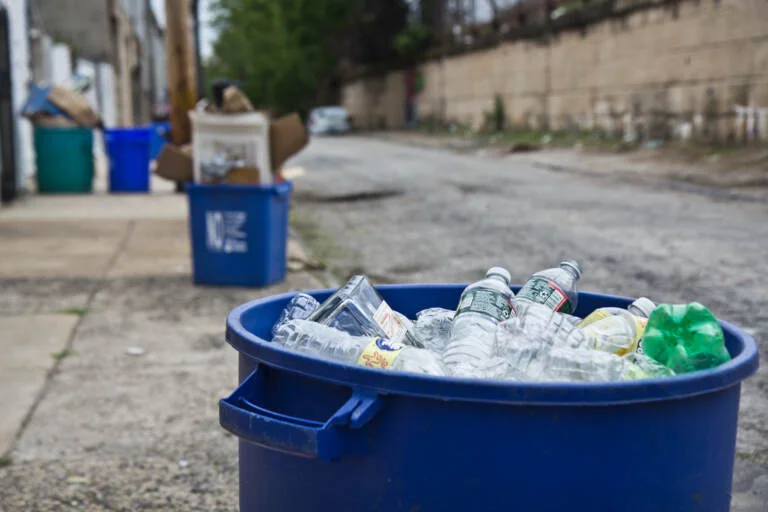
Unfortunately, our daily lives also involve plastic products made from thermoset materials that cannot be recycled. They are used for a variety of purposes, from packaging to construction, because of their durability and reliability.
However, since thermoset plastics are polymers with very strong chemical bonds, they cannot be recycled by simply melting them down. After use, they end up in landfills and do not decompose. When they are single-use items, they significantly worsen the problem of environmental pollution.
These hazardous wastes include food film, composite plastic, medicine blister packs, plastic-coated wrapping paper, polycarbonate materials, shrink wrap, clothing bags, and other low-density polyethylene products. They also have corresponding labels. Unfortunately, even if you collect them for recycling, the process is not possible. Therefore, the best option is to avoid buying such materials in the first place.
Challenges and Solutions for Plastic Recycling
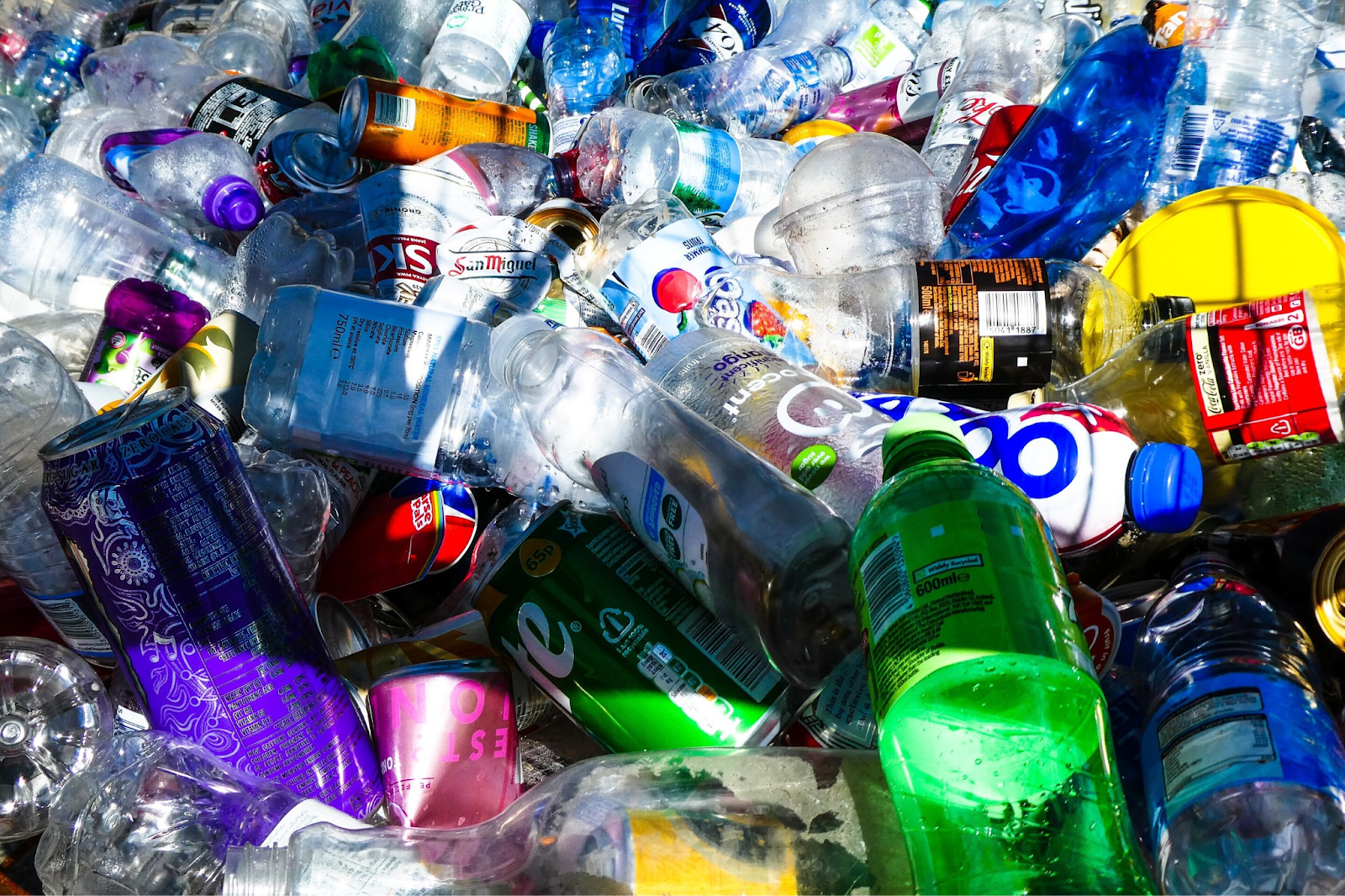
About 75% of all plastic produced globally can be melted down and turned into new materials. The remaining 25% consists of thermoset plastics, which do not soften when exposed to high temperatures and cannot be repurposed. Furthermore, plastic recycling is often more difficult and less efficient than recycling glass or metal, and it can be economically unviable. Therefore, it is much more effective to reduce the amount of plastic products we use and switch to more environmentally friendly materials.
Fortunately, the vast majority of plastics can be recycled, and Philadelphia is making great strides in this area. Philadelphians are committed to protecting the environment and reducing the total amount of plastic waste. The city has implemented various programs to encourage plastic collection and recycling. All residents can participate by taking plastic items to the nearest collection points. There are also free educational materials and resources that help Philadelphia residents understand the importance of recycling and teach them the rules for sorting and disposing of plastic products.
The biggest challenge in this field is single-use plastics. They are convenient for daily use, but their long-term environmental impact is extremely negative. That’s why many Philadelphia stores and cafes are moving away from plastic bags, straws, and cups. These simple steps help protect the environment and significantly reduce single-use plastic consumption. The initiatives introduced in Philadelphia are designed to protect the planet and ensure a healthy future for the next generations, and anyone can get involved.