

Philadelphia, a city that for centuries was an engine of American industry fueled by coal and oil, is now undergoing a new energy revolution, turning its gaze skyward. In an era of global climate challenges and a growing need for energy independence, the City of Brotherly Love is aggressively adopting solar power, transforming the roofs of historic buildings and industrial facilities into clean electricity generators. This shift is not just a passing trend; it is a strategic decision that promises not only to reduce the carbon footprint but also to ensure long-term economic resilience. We explore how Philadelphia, with its dense development and complex political landscape, is overcoming infrastructural hurdles on its journey to becoming a “solar city” and which programs are making clean energy accessible to its millions of residents. Further on the website philadelphia.name.
Incentivizing Adoption
The transition to “green” energy would be impossible without strong government support and incentive programs. The State of Pennsylvania supports initiatives that make it easier for residents and businesses to install photovoltaic systems.
Key mechanisms include:
- SRECs (Solar Renewable Energy Credits). A system where solar panel owners earn credits for the clean energy they produce, which can then be sold to utility companies. This provides a valuable financial incentive.
- Net Metering. This policy allows consumers to feed surplus power back into the grid, receiving credit on future utility bills.
These financial tools make investments in solar panels economically viable even in a challenging urban environment.
The Strategic Push for Decarbonization
City government and major businesses are playing a significant role in advancing large-scale solar projects. Philadelphia aims to secure a considerable portion of municipal energy consumption from renewable sources, demonstrating public commitment to climate goals. The plan to build the state’s largest solar farm has become a flagship initiative for Philadelphia.
A key component of this strategy was the 2020 announcement detailing plans to construct the largest solar farm in Pennsylvania.
- Dedicated Purpose. This facility is unique because it is specifically designated to supply electricity exclusively for Philadelphia’s needs.
- Scale and Impact. Located in the central part of the state, the project is expected to provide approximately 70 megawatts of power. This will enable the city to cover over 20% of the electricity demand required for municipal buildings, water facilities, and other essential city services.
This bold move is part of a broader initiative to decarbonize the municipal sector. Philadelphia has committed to reducing carbon emissions in line with global climate agreements. Such large-scale clean energy purchases via long-term Power Purchase Agreements (PPAs) are a financially sound and environmentally responsible way to achieve this goal. This action also stimulates the development of green energy across the entire state.
Urban Challenges and Innovative Solutions
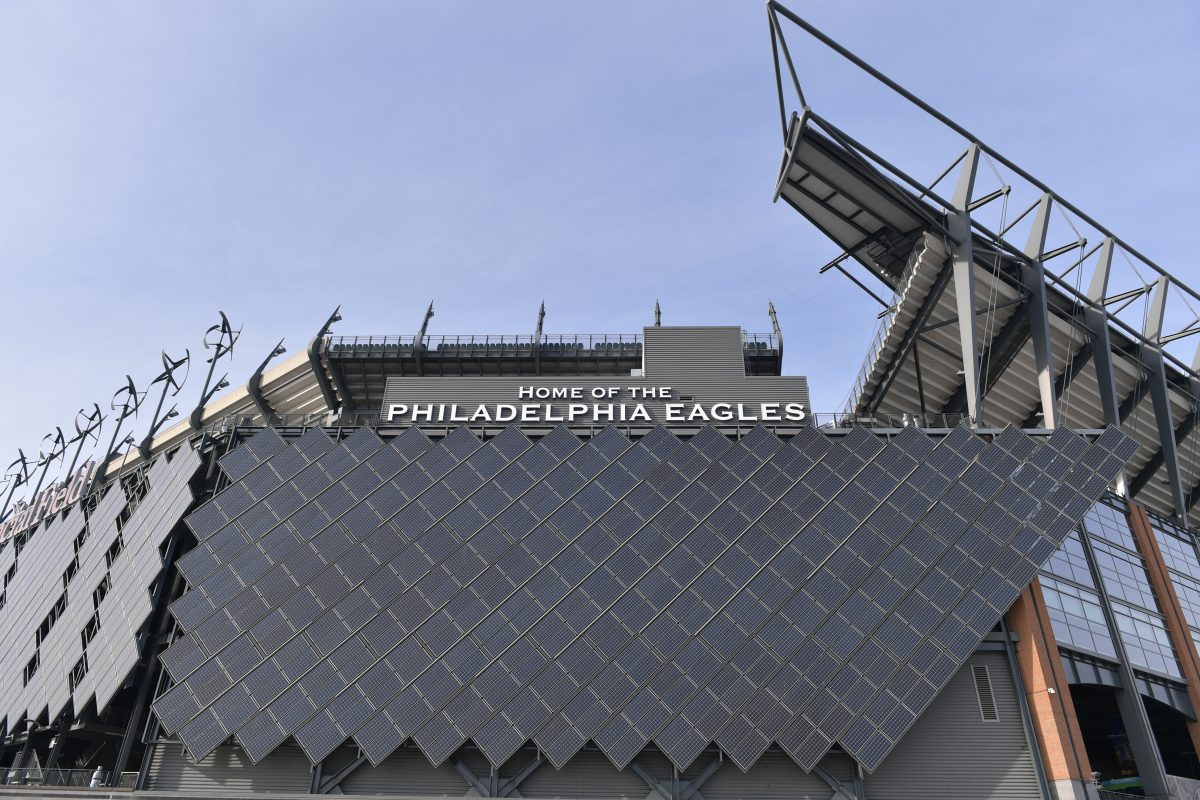
Harnessing solar energy in densely populated Philadelphia faces obstacles, primarily the limited space available for large ground-mounted systems. Consequently, city officials and businesses are focusing intensely on unconventional solutions.
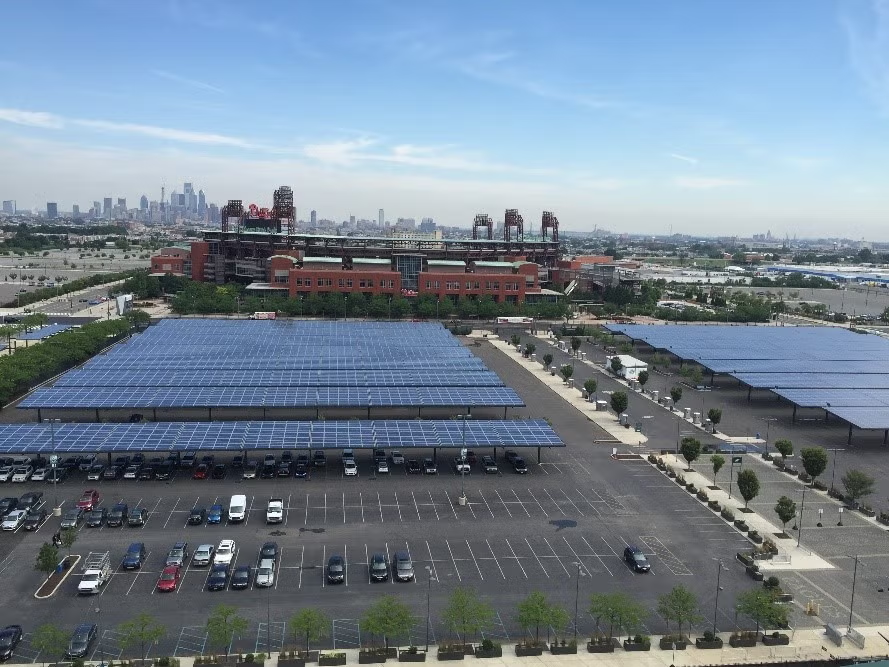
To compensate for the lack of available land, the primary focus is on rooftops. There is mass installation of panels on the roofs of commercial and industrial buildings, as well as on city warehouses. Furthermore, solar canopies are being actively deployed. This involves placing photovoltaic cells over parking lots, which has a dual benefit: generating electricity while simultaneously protecting vehicles from the elements.
These efforts are coupled with an energy efficiency strategy. Philadelphia authorities understand that the best energy is the energy not used. Therefore, simultaneously with energy production, measures like building insulation and lighting system modernization are being implemented to actively reduce the city’s overall energy demand.
Accessibility for Residents
City initiatives are designed to ensure that solar energy is accessible not only to large corporations but also to everyday residents. Programs exist to help low-income households secure funding for system installations or join community solar projects. The latter allows residents who do not own a roof (e.g., those living in apartment buildings) to invest in a remote solar installation and receive credits on their utility bills.
The city’s pursuit of solar power is part of a wider ecological strategy. The adoption of these technologies directly impacts air quality by reducing reliance on nearby coal and gas power plants. Philadelphia’s goal is to achieve net-zero emissions by 2050. Solar generation, alongside other renewables, serves as the foundation for realizing this ambitious objective.
