

Both Pennsylvania and Philadelphia have abundant water resources. While the region has never faced a shortage of drinking water, it has spent centuries working to improve its quality and accessibility. Before the 20th century, residents often dealt with cholera epidemics, and it took over 200 years to develop a convenient, modern water supply system. Find out more at philadelphia.name.
By the 21st century, a steady supply of clean, safe drinking water became a daily reality for Pennsylvanians. Today, the region is home to many bottled water manufacturers. Learn more about their operations and products below.
Premium Waters Inc.
Founded in 1994, this company has grown significantly over its 30-year history. It now boasts several thousand employees and has expanded its production capacity considerably.
Premium Waters Inc. specializes in bottling and distributing water. They also offer water filtration and cooling systems, with fast, convenient delivery services for homes and offices. The company can also produce custom-labeled bottled water for corporate clients or special events.
The company’s key strengths include:
- A business with a long history and strong traditions.
- High-quality, certified products.
- Strict adherence to production safety standards.
Creekside Springs
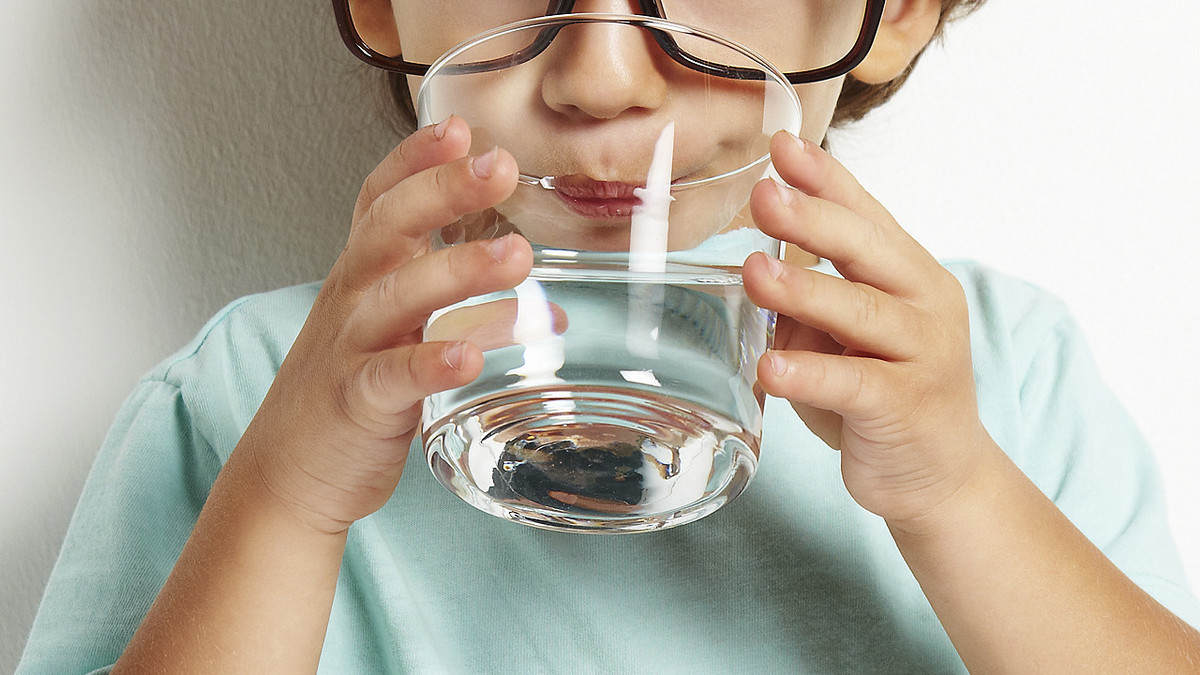
Headquartered in Pennsylvania near Pittsburgh, Creekside Springs, LLC focuses on bottled water production, with additional bottling facilities in Ohio. Their product range includes spring, distilled, purified, and enhanced water in various sizes, from 12-ounce single-serve bottles to 5-gallon jugs.
The company partners with private-label brands and supplies bottled water to retailers and organizations. They also offer custom labels and packaging. At the heart of their business is a commitment to ensuring the highest quality bottled water.
Refresco
Founded in 1999, Refresco has grown into a global supplier of bottled water and other beverages. Headquartered in the Netherlands, the company operates over 70 production facilities across North America, Europe, and Australia, with a significant presence in Pennsylvania.
Their product portfolio is extensive, including mineral water, soft drinks, fruit juices, and sports drinks. The company also specializes in co-packing and producing beverages for both retailers and national brands. With a vast distribution network, Refresco ensures quick delivery to consumers.
With a staff of over 10,000 employees, the company guarantees product quality and manufacturing safety through strict certifications and standards.
Joriki Beverages

Founded in Canada in 1990, Joriki has expanded its production facilities beyond the country’s borders, including a plant in Pennsylvania. They specialize in manufacturing a wide range of beverages and providing packaging solutions, partnering with both major brands and retail clients.
Their product line includes bottled water, juices, iced teas, sports drinks, and even dairy products. The company is dedicated to quality control and works with reliable distributors to ensure efficient service to clients in all regions.
Filson Water LLC
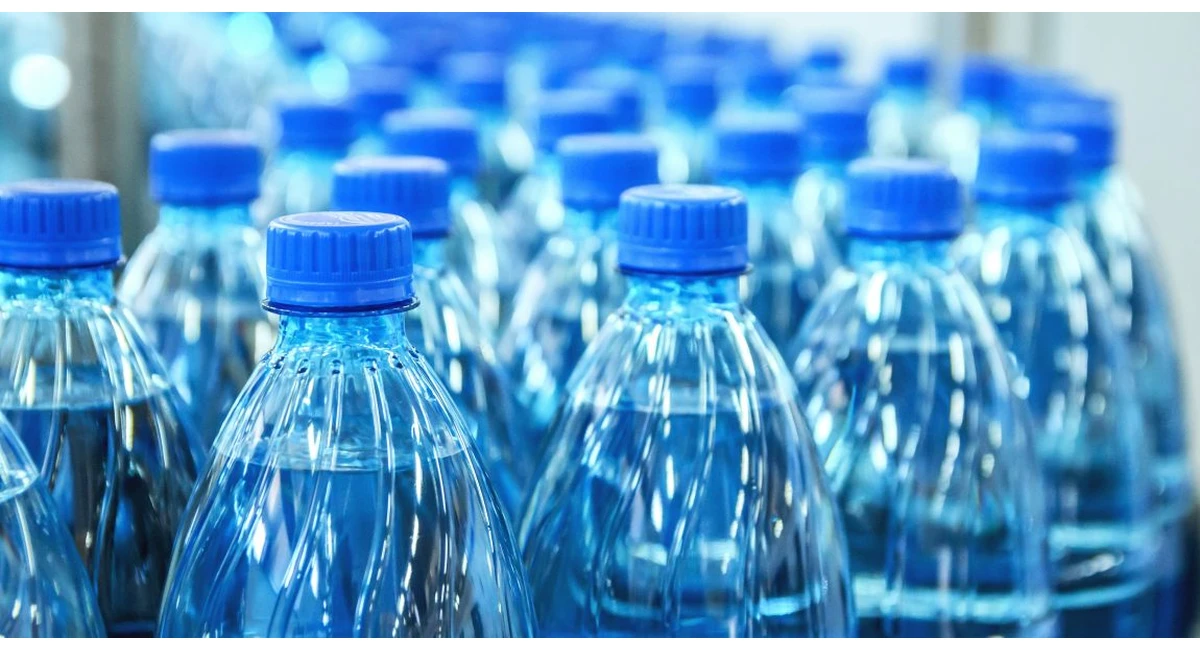
This company produces bottled mineral water as well as deionized water, and offers custom labeling and branding. They work with both retail chains and private clients.
In addition, Filson Water supplies water purification products and equipment, such as filters, water softeners, UV disinfection systems, and drinking water purifiers for home use.
Why Is Bottled Water So Popular in Pennsylvania?
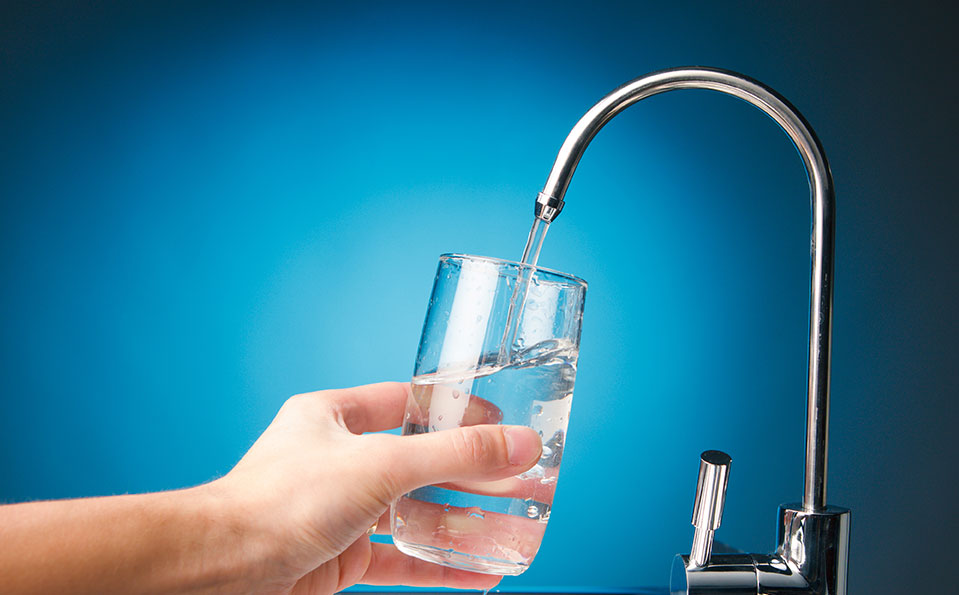
The state’s centralized water supply systems still have some drawbacks. In certain areas, the tap water can be hard or contain iron, lead, sulfur, or even bacteria. This is due to a combination of environmental factors and contamination in wells and pipelines. Because of these issues, many residents choose bottled water for their daily consumption.
Hard Water
Hard water is one of the most common water problems in Pennsylvania. This refers to water with a high concentration of minerals like calcium and magnesium. Other minerals, such as aluminum, zinc, barium, and strontium, can also increase water hardness.
On the surface, hard water looks no different from normal water; it has no unpleasant smell or color. However, it can create more soap scum, dry out your skin and hair, and leave spots on glass and silverware. The minerals in hard water can also build up in dishwashers, water heaters, washing machines, humidifiers, and plumbing fixtures, leading to premature breakdowns and damage.
Iron
In 2016, elevated iron levels were found in 17% of Pennsylvania’s water sources. This happens when water in deep wells comes into contact with iron-rich rock formations. High iron levels are often accompanied by high manganese levels.
Drinking water with a high iron content can cause skin problems and may negatively affect health. It also leaves unsightly orange-brown stains on plumbing fixtures and appliances.
Lead
Lead in tap water has no taste or smell, making it difficult to detect. However, this metal is highly toxic and harmful to human health, especially to the development of children.
Sulfur
Sulfur in water appears in the form of hydrogen sulfide, which has a distinct rotten egg smell that makes it easy to detect. This gas forms in oil deposits and from decomposing plants underwater. Hydrogen sulfide can cause diarrhea, dehydration, and nausea. It is more commonly found in high concentrations in well water, which is why wells require careful and regular testing.
Bacteria
Drinking water must be tested for total coliform bacteria. These bacteria live in the digestive systems of warm-blooded animals, as well as in plants, soil, and surface water. High levels of coliforms can indicate the presence of other harmful bacteria, parasites, and viruses.
Elevated levels of E. coli in water can lead to gastrointestinal illnesses, particularly in children and the elderly. Private water systems, which may have different purification methods than municipal systems, should be checked especially carefully. The presence of other bacteria beyond coliforms is not acceptable and can pose a serious threat to human health.
While centralized and private water systems can have drawbacks that require regular testing, many Pennsylvanians prefer bottled water for daily consumption. Reputable manufacturers guarantee the safety and quality of their water by carefully controlling mineral and other substance content, allowing consumers to drink it without worry.