Philadelphia is a city in the state of Pennsylvania that is famous for its powerful industry heritage. Back in the day, one of the major enterprises and companies here provided food for the entire country. Read more about the fascinating history of one of them at philadelphia.name.
The beginning and formation of the refinery
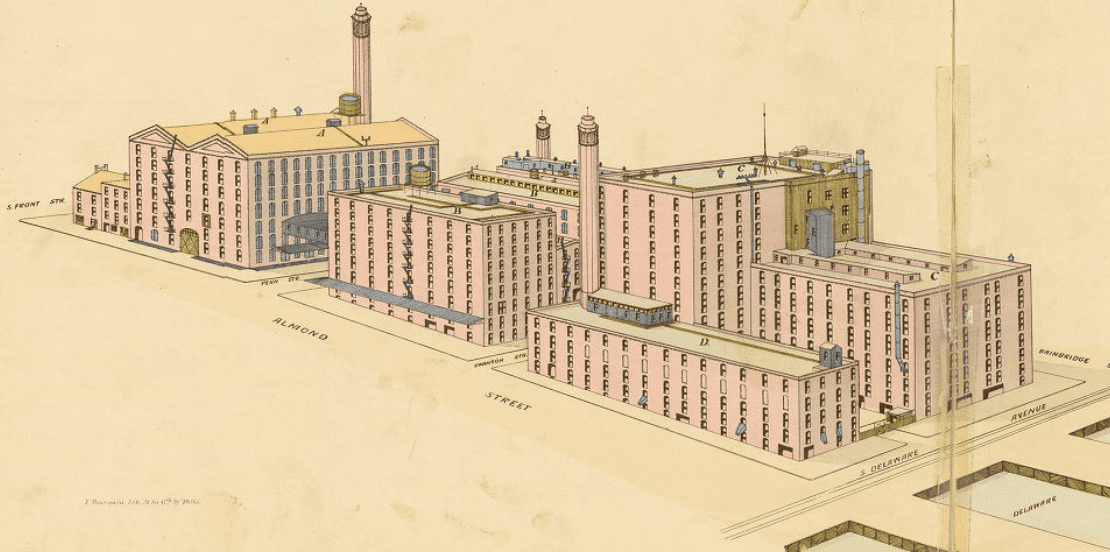
The Franklin Sugar Refinery was constructed as a brick building in 1866 in Philadelphia. The steam engine inside the enterprise ensured its operation. It developed gradually until it became one of the largest in the city.
Several firms founded this corporation to manage the factory. Its founder, Charles Harrison, remained in charge at the outset of the history of this building. In 1892, the local plant was sold to the owners of the American Sugar Refining Company. Harrison thus monopolized the current at that time sphere in America. The American took an interest in the sugar business as early as 1863. The man saw potential in this industry and. therefore. purchased the Philadelphia plant.
Since the factory was run by a joint-stock company, disputes often arose over differences in the vision of the enterprise development.
Mr. Parsons once aspired to become a sole owner and even succeeded after a while. He persuaded the other shareholders, including Harrison, to sell his share. However, later, he decided to sell his personal property to a local businessman.
The Franklin Sugar Refinery appeared for just a hundred thousand dollars. The new founder was a well-known tycoon who owned 95 percent of the country’s refined sugar production.
In 1894, the US legislature abolished financial incentives for domestic sugar production, opening markets to cheaper foreign-made sugar. This action, to put it bluntly, had a devastating impact on the local business. In the years since, the sugar mill caused only losses, regardless of the management.
In 2022, an enterprise that started with ten million dollars was worth $325,000,000, which is evidence of the company’s success, despite all the difficulties that preceded it.
Interesting facts about the refinery
Many events have occurred at the Franklin Sugar Refinery throughout history, but the most notorious was a fire. The building caught fire at the end of the fall of 1882. It was reported on the news that one of the mill employees disappeared during the fire. The man tried to extinguish the flames, which seemed to have killed him.
The refinery’s management then estimated the fire damage at one million dollars. As a result of the tragedy, an entire block was affected. Delaware Avenue and other nearby streets had to be blocked. Before that tragic event, more than a thousand people worked daily at the enterprise.
In 1866, the Philadelphia enterprise produced more than a thousand barrels of raw materials per day. In 1885, their sugar won the debut prize at the exhibition in New Orleans.
By the end of the nineteenth century, the refinery was processing more than two million pounds each day, with a variety of current products: white, granular and yellow sugar.
It is worth noting that the company primarily purchased raw sugar from Cuba. Less often, sugar was imported from Java, Indonesia, bought on the spot market in New York and sometimes locally. However, the main exporter was Cuba. That is to say, the entire sugar mill in Philadelphia depended on the labor of enslaved Africans from the mentioned country. This was also the case in Louisiana, where the rights of the people were restored only in 1863. As a matter of fact, a lot of raw materials also came from the occupied Dutch peninsula of Java.
The Philadelphia Sugar Refinery sold its products nationwide. In some areas, they were defeated by competitors, including the mid-Atlantic and Midwest regions. Some sales were made in New England and the South. The company used brokers to make sales. Harrison called the business very profitable. In 1894, the refinery’s gross sales amounted to $42 million.
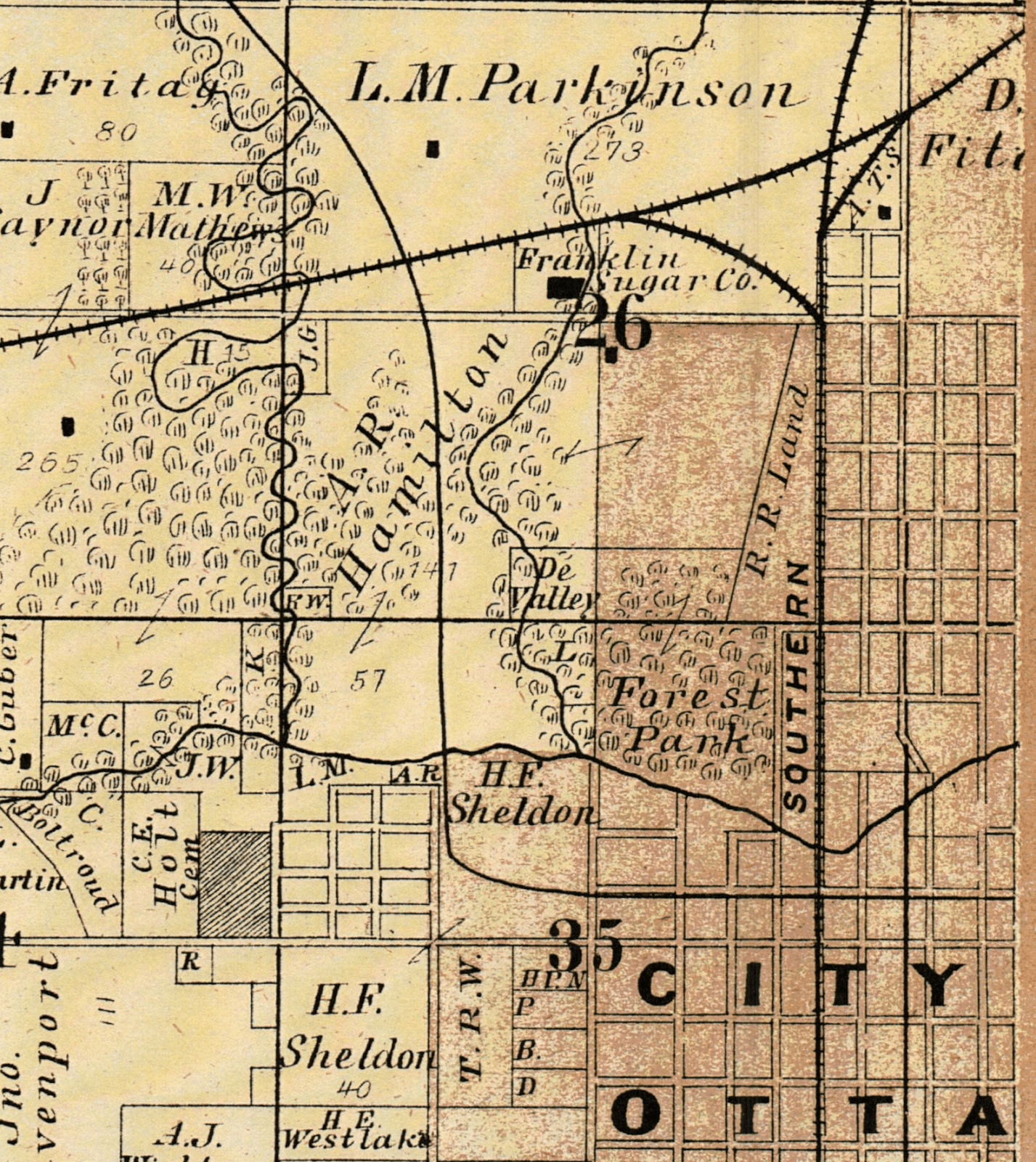
In one museum located in the “City of Brotherly Love”, as Philadelphia often referred to, there is an old map of the territory of the Franklin plant, on which you can see how everything was arranged in 1885. In that period, the enterprise was located quite close to the Santa Fe Railway, known as the AT&SF, which facilitated logistics.