

The Delaware River Valley and modern-day Philadelphia have a mild climate and fertile soil, making them ideal for growing plants. Indigenous tribes were practicing horticulture here long before European colonists arrived, bringing their own traditions and starting a new era of gardening.
Philadelphia’s founder, William Penn, envisioned a green city with gardens around every home. Over time, gardening evolved from a hobby into a major commercial enterprise, but the focus on green spaces remains a city priority. Read on at philadelphia.name to learn more about the traditions and modern practices of Philadelphia gardening.
Old and New Gardening Traditions in Philadelphia
The Lenape, the tribes that lived in the Delaware River Valley, primarily cultivated beans, corn, and squash. They also gathered fruit from the abundant trees in the area. The indigenous people typically fertilized their gardens with fish remains. Since the tribes were semi-nomadic, they would periodically relocate, allowing the land to recover and remain fertile, which met all their needs.
European colonists, who first arrived in the 17th century, began intentionally planting their own gardens. They grew not only fruits and vegetables for food but also medicinal plants and ornamental flowers. Many plant species were brought from their home countries, and in turn, the colonists sent native seeds back to Europe. This is how asters, sunflowers, phlox, and many other American species were introduced. This mutual exchange became a key part of the cultural dialogue between continents.
The Rise of Botanical Gardens and Horticultural Societies

North America’s oldest botanical garden was created in 1728 by botanist John Bartram, who began collecting and cultivating native plants on the banks of the Schuylkill River. Bartram went on many expeditions with his son, William, who created illustrations of their discoveries. The Bartrams also exchanged seeds and information with European scientists, launching what became known as the transatlantic gardening dialogue.
Other Philadelphians followed John Bartram’s lead:
- Henry Pratt designed his estate to be an exhibition featuring 700 plant varieties.
- The DuPont family of Delaware founded a botanical garden in 1800.
- The Painter brothers collected plant specimens and began planting them on their land in 1825, creating a collection of over 1,000 species.
In 1827, these gardening enthusiasts formed the Pennsylvania Horticultural Society. Its members exchanged seeds, experimented with new varieties, and tested new technologies. On their initiative, the Philadelphia Flower Show, the first public event of its kind in the U.S., was launched in 1829.
Philadelphia: A Hub for Horticulture
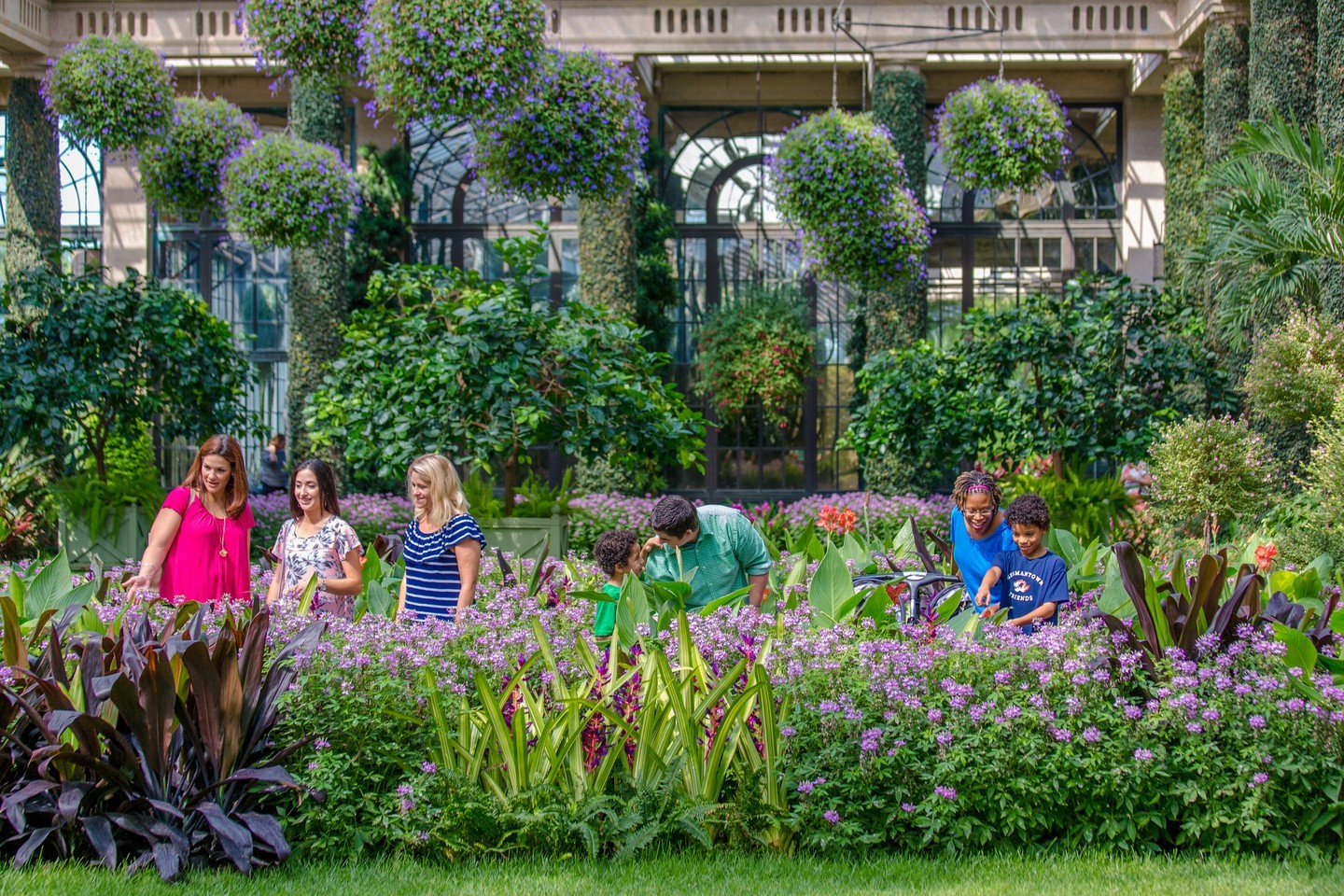
In the mid-19th century, Philadelphia became a leader in U.S. horticulture. This was driven by the city’s active gardening community, the creation of large public parks and botanical gardens, and the publication of influential professional journals. For example, Philadelphia botanist Thomas Meehan published “Gardener’s Monthly” from 1859 to 1888.
During the 1876 Centennial Exhibition, Philadelphians created a 75,000-square-foot horticultural hall, which was the largest greenhouse in the world at the time. Gardeners from the U.S. and other countries displayed a wide variety of plants, vegetables, fruits, and gardening equipment. In total, more than 1,800 species were showcased. The greenhouse’s popularity helped spread the idea of creating such spaces around the world.
Philadelphia was not only a mecca for amateur gardeners but also became a major commercial center for horticulture. Bartram’s Garden operated as a nursery until 1783, and was later joined by other centers like the “Rosedale” and “Germantown Nurseries.” The city also saw the opening of the first U.S. seed company, founded by David Landreth in 1784. Another Philadelphia company, the “W. Atlee Burpee Company,” became the largest seed company in the world. Its founder published a plant catalog and cultivated new varieties.
The growth of the seed business coincided with a trend of Philadelphians moving to the suburbs. Residents sought to escape the city’s overcrowding and pollution, and began favoring small, private homes with yards. At the same time, women became increasingly interested in landscape design and growing various plants.
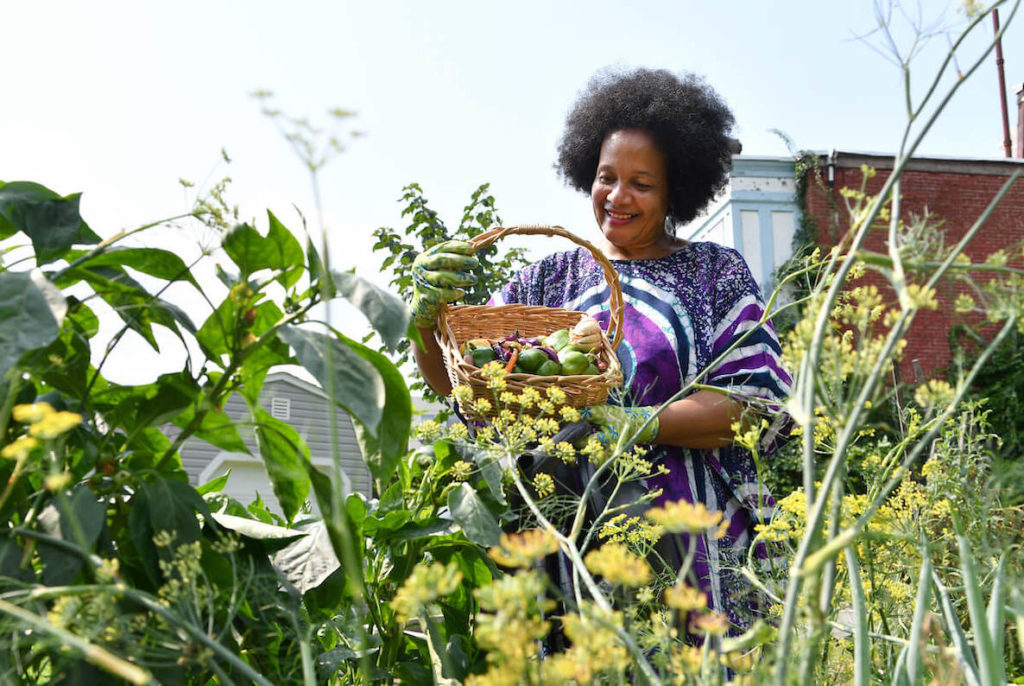
During this period, garden clubs began to emerge:
- The Philadelphia Botanical Club was founded in 1891.
- The Garden Club of Philadelphia was founded in 1904.
- The Garden Club of Wilmington was organized in 1918.
The Garden Club of America itself wasn’t founded until 1913. This shows that Philadelphia proved its leadership in horticulture time and again. The city also began to offer formal education in the field, with women playing a major role in this development. Jane Bowne Haines opened the Pennsylvania School of Horticulture for Women in 1920. Laura Barnes founded her own school of horticulture in the 1940s. State universities in the region later joined this effort, launching gardener training programs in the 1980s.
Horticultural Trends in the 20th and 21st Centuries
In the 20th century, a new trend emerged in horticulture: a focus on preserving plants and their natural habitats. Many public and private organizations initiated various programs to protect the gardens and parks of Pennsylvania, New Jersey, and Delaware.
In the second half of the 20th century, Philadelphia focused on restoring and preserving Fairmount Park and Bartram’s Garden. These efforts sparked interest in native plant species and stimulated the development and preservation of other sanctuaries and flower gardens in the city and region. In 1967, the “Brandywine Conservancy” was founded. Thanks to its work, a garden was created along the Brandywine River in Pennsylvania, which focused on cultivating and preserving native plant species. In 2011, the Mount Cuba Center, a native wildflower preserve in Delaware, was opened as a public garden.
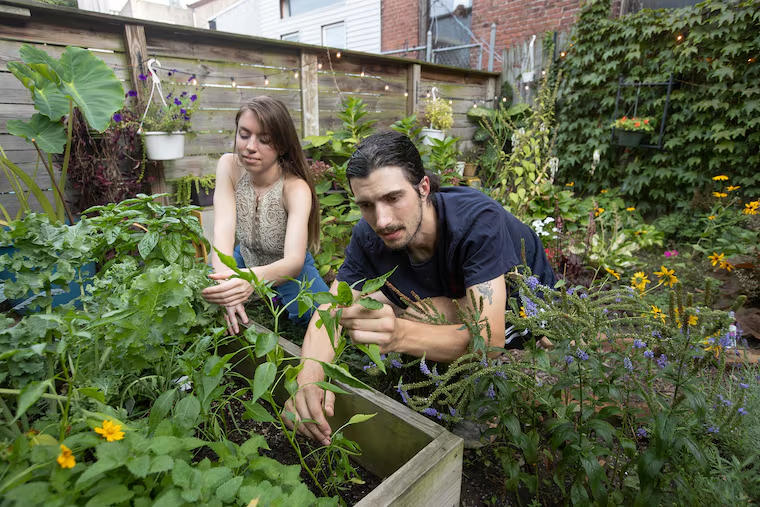
Many new plant preservation efforts were launched in Philadelphia in the late 20th and early 21st centuries. In 1974, the Pennsylvania Horticultural Society founded the “Philadelphia Green” program. This initiative helped create several community gardens and small parks in various city neighborhoods. Vacant lots were turned into vegetable gardens and flower beds, and trees were planted in low-income areas. The project was designed to get residents interested in gardening, and it was quite successful. Its goal was to teach residents the basics of gardening so they could care for the plants themselves.
In 2007, the “Philadelphia Orchard Project” was founded to plant and maintain community orchards in the city. Various gardening education programs for youth were also introduced. Overall, in the 21st century, professionals and amateurs in Philadelphia continue to use gardening to make urban spaces better and greener, encouraging residents to explore nature and create a cozy, ecological environment around them.