

Evolutionary biologist and geneticist Hampton Lawrence Carson dedicated almost 50 years of his scientific career to fruit flies of the Drosophila genus. These insects have a short lifespan, and their DNA is 70% similar to human DNA, making them ideal subjects for genetic research. Carson studied them in their natural habitat in Hawaii, which led to many significant discoveries. Learn more about the Philadelphia native’s contributions to global science in this article. Continue reading at philadelphia.name.
Early Scientific Journey
Hampton Lawrence Carson was born in Philadelphia on November 5, 1914. His family had a scientific background, which influenced his career path. His great-grandfather, Dr. Joseph Carson, was a botanist and professor at the University of Pennsylvania. Hampton conducted his first insect observations at home using his great-grandfather’s small antique microscope.
However, Hampton’s father was a lawyer, and initially, Hampton considered following in his footsteps. After high school, he enrolled at the University of Pennsylvania but ultimately chose to study zoology instead of law. He earned his bachelor’s degree in 1936 and defended his dissertation on the cytogenetics of dark-winged fungus gnats in 1943.
After completing his degree, the young scientist joined the faculty at Washington University in St. Louis, where he worked until 1971. The environment there was intellectually stimulating, with informal gatherings and clubs, and visiting scientists from Europe. During his time there, Carson not only found like-minded colleagues and continued his research but also:
- Became a full professor in 1956.
- Was a Fulbright Scholar at the University of Melbourne in 1961.
- Served as a visiting lecturer at the University of São Paulo, Brazil.
In the 1960s, Carson joined the Hawaiian Drosophila project, founded by Elmo Hardy and Wilson Stone. This collaborative effort between the University of Texas and the University of Hawaii began studying the unique species of Hawaiian Drosophila. In 1970, Carson transitioned to the Entomology Department at the University of Hawaii, moving his family—wife Meredith and sons Edward and Joseph—to Hawaii with him.
Studying Drosophila in the Hawaiian Islands
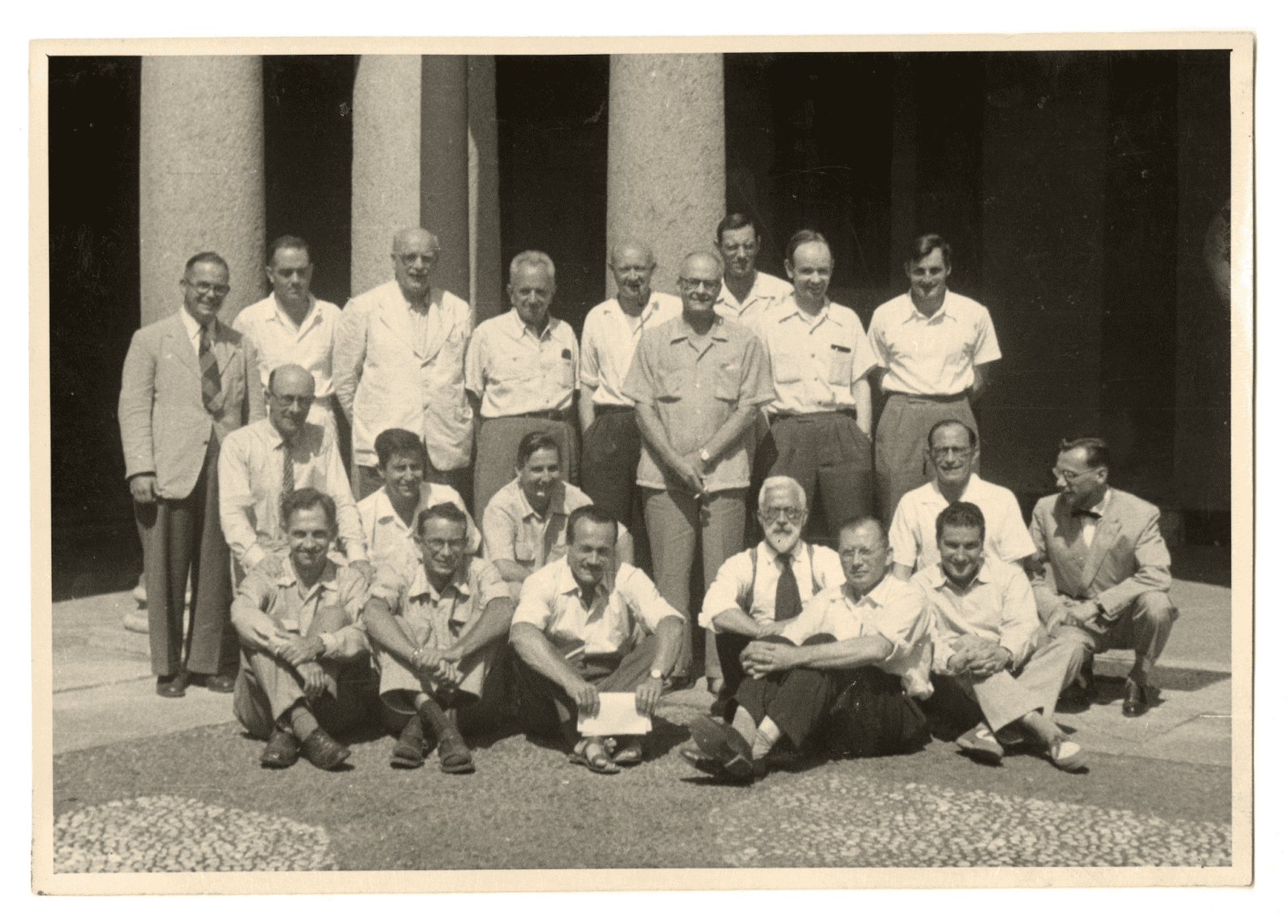
Upon moving to Hawaii, Carson continued his research into the genetics and polymorphism of local Drosophila species. The project’s initial goal was to develop methods for collecting and breeding different Drosophila species in the laboratory. The techniques used for North American species simply didn’t work for Hawaiian varieties. The latter were incredibly fragile, easily damaged when collected with nets, and their larvae wouldn’t eat standard food or pupate.
Once these technical hurdles were overcome, scientists discovered that Hawaiian Drosophila provided an incredibly rich and convenient model for studying evolution and its principles. Carson continued to focus on this area, and his move to Hawaii proved instrumental for his unique research.
For instance, he hypothesized that the formation and development of new species on the islands were caused by isolation during island formation. The greater the distance between islands, the more genetic differences could be observed. Even on a single island, differences were apparent if specific areas were separated by lava flows. This led to the development of the concept of reproductive isolation.
Hampton Carson worked at the University of Hawaii until 1985. During this time, he became a member of the National Academy of Sciences and the American Academy of Arts and Sciences. He also headed the Society for the Study of Evolution, the Genetics Society of America, and the American Society of Naturalists.
Retirement and Continued Contributions
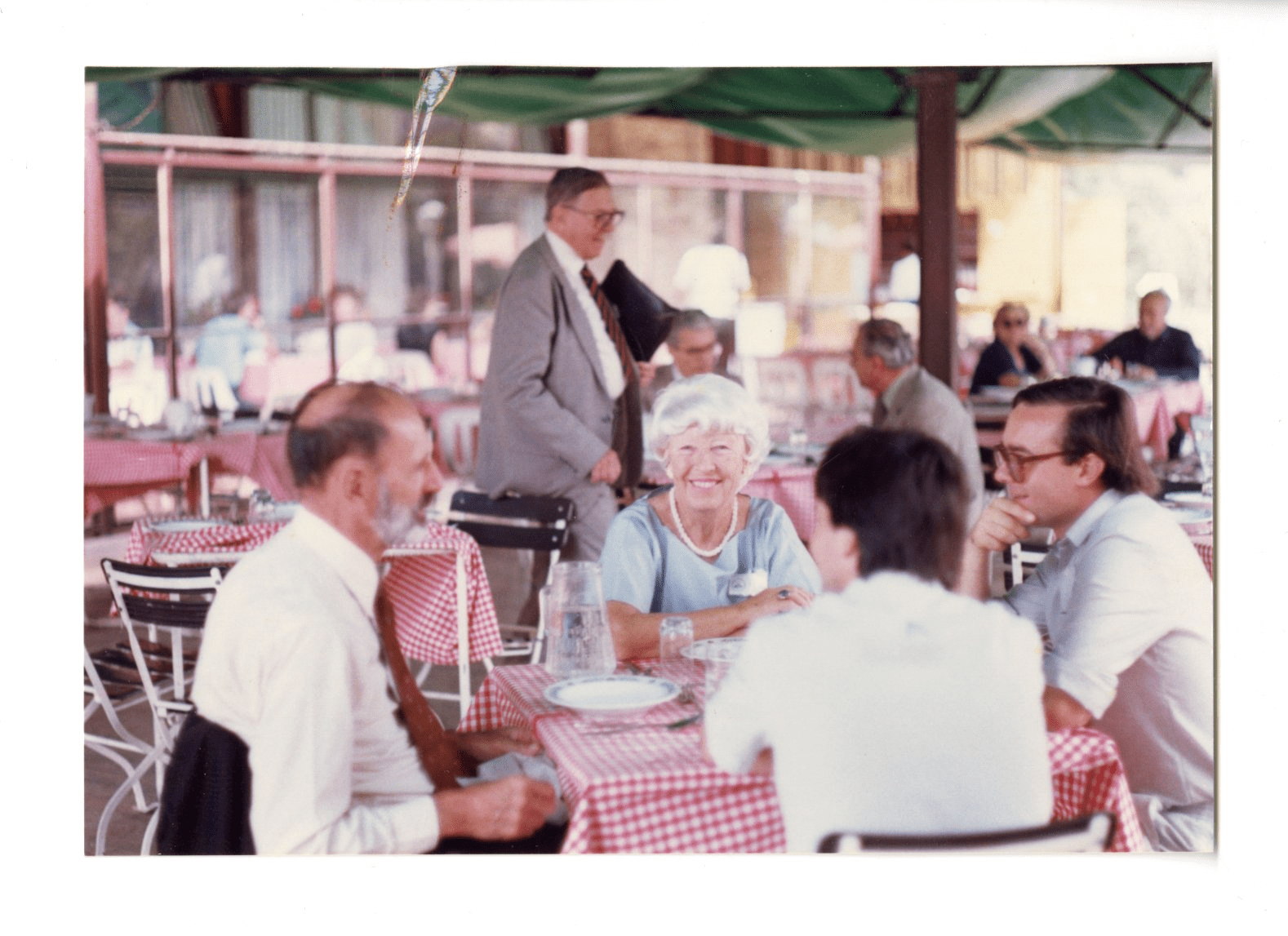
Carson retired in 1985 but never stopped his research. He continued his collaboration with the University of Hawaii, remaining an emeritus professor. In that same year, the Academy of Natural Sciences of Philadelphia honored him with the prestigious Joseph Leidy Medal.
Hampton Carson maintained his scientific activities, writing and publishing important articles. Notably, his scientific papers on mate choice in Drosophila and the speciation of these insects were published in the Proceedings of the National Academy of Sciences when he was 89 years old.
In addition, Carson actively participated in scientific seminars and conferences. His last lecture was at the University of Washington’s biology department in the spring of 2004.
While living in Hawaii, Carson not only actively researched local fruit flies but also assisted scientists from other universities with their field studies. In those days, there wasn’t a formal infrastructure for this, but Carson was always eager to support colleagues and even created his own coordination center to aid genetic research.
The distinguished biologist passed away on December 19, 2004, from bladder cancer. His scientific works systematized and unified the ideas of several generations of evolutionary geneticists. Carson called himself a “synthesizer,” who combined evolutionary theory, cytology, and genetics with both laboratory and field research.