

Some remarkable individuals, unfortunately, don’t get the recognition they deserve. We often remember global figures—actors, inventors, scientists—but names like engineer and businessman Hart O. Berg might not ring a bell for everyone. Yet, despite his relative obscurity, Berg made significant contributions to development that should secure his place in history forever. Learn more at philadelphia.name.
Birth, Family, and Education
Hart O. Berg was born on March 23, 1865, on Franklin Street in Philadelphia, Pennsylvania. His parents, Louisa and Joseph, were of German-Jewish descent.
The family enjoyed notable connections. Louisa was the sister of the Ostheimer brothers, who ran a large import-export business with offices in Paris, Vienna, Berlin, and London. Joseph, Hart’s father, was a clothing manufacturer.
Hart attended prestigious private schools, a luxury his family could easily afford. Later, as a teenager, he was sent to Liège, Belgium, to pursue an engineering qualification.
After completing his studies, he traveled frequently, often claiming to have no profession despite being a qualified engineer. However, by 1891, he began referring to himself as a merchant. During that period, he lived in New York but frequently visited warmer countries like Egypt and India.
New Ventures
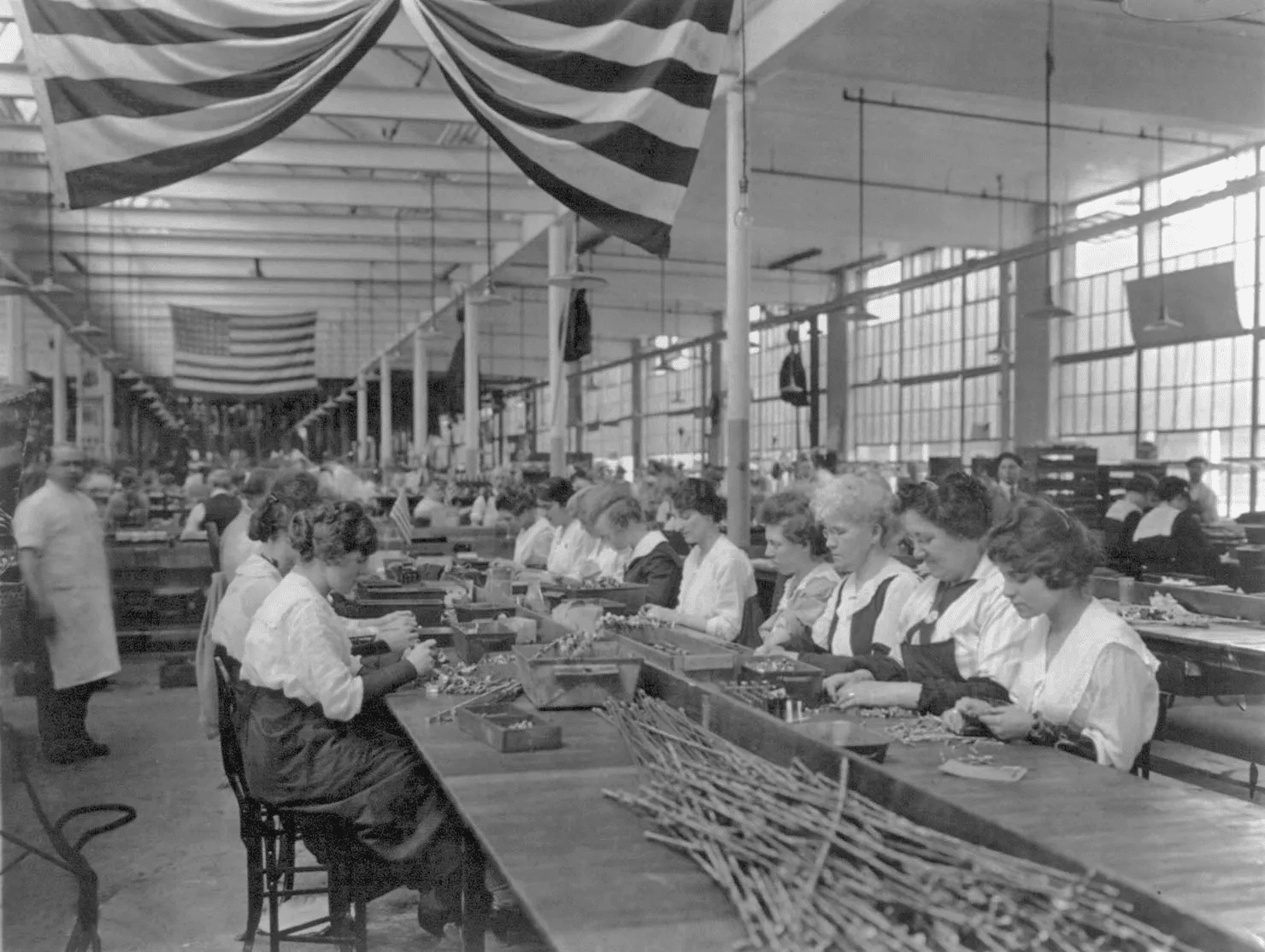
The early 1890s marked a fresh start for Berg. Not only did he relocate to Hartford, Connecticut, but he also took on a new role: manager of the Colt’s Patent Fire Arms Manufacturing Company. That same year, Colt began producing the widely known M1889 revolver and the M1895 machine gun. Rumor has it that Berg was involved in both projects.
In 1896, Berg decided to leverage his old connections. He soon joined the Belgian company Fabrique d’Armes de Guerre as a director. His prior experience in arms manufacturing proved valuable, as the new company was in the same line of business. However, the Belgian firm diversified its offerings to include bicycles and motorcycles.
Berg made significant contributions to Fabrique d’Armes de Guerre. He brokered a deal with Pope Manufacturing to produce a new type of chainless bicycle. Later, Berg met with pistol manufacturer John Browning and convinced him to partner with Fabrique d’Armes de Guerre. This collaboration completely transformed the company’s fortunes, elevating its popularity and profitability.
Berg’s Next Career Leap
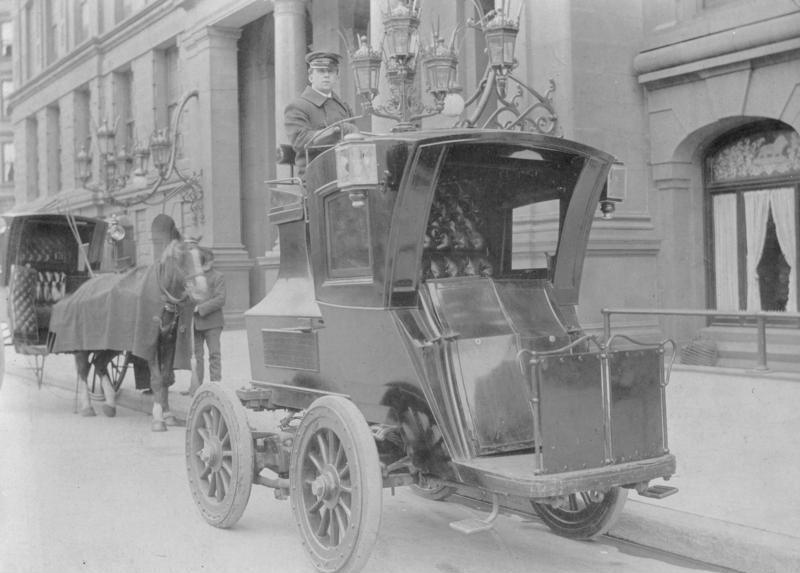
Berg’s next career leap was closely tied to automobiles. In 1897, he was brought in to handle the sale of manufacturing rights for “Columbia” cars. His work led to him securing licenses from various European manufacturers: Belgian, French, and German. His strong performance also earned him the position of general manager at the Electric Vehicle Company. Under his leadership, the company briefly became the largest automobile manufacturer in the U.S.
Later, Berg decided to found his own company. But he didn’t stop there. In 1902, Hart established another automobile company in Cleveland. His vision was for this company to produce European-style vehicles designed to capture the American market.
Hart’s perseverance paid off with the creation of a car named “Berg.” This vehicle was one of the first of its kind to be manufactured in the U.S. It was unveiled to potential buyers and enthusiasts in 1903.
However, by 1904, Berg sold his business. The reason might have been a setback in the production of the next automobile model.
The Wright Brothers Connection
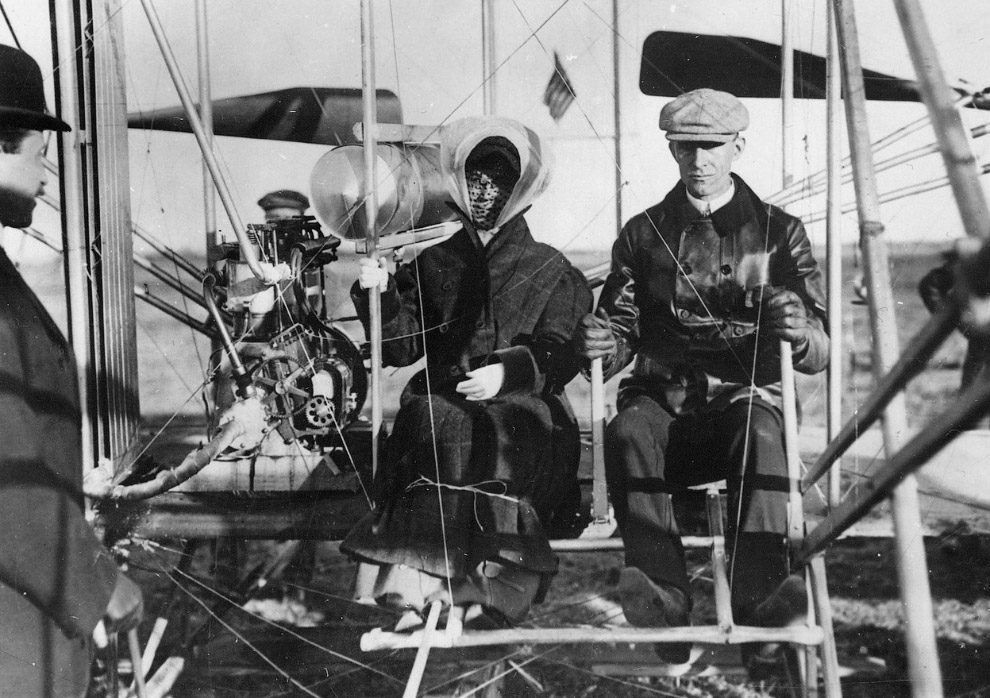
Initially, Berg wasn’t particularly impressed with the Wright brothers’ invention. However, after a personal meeting, he recognized Wilbur Wright’s strong engineering abilities. This led Hart to help Wilbur Wright find support in Paris.
In 1907, Berg was appointed as an agent responsible for international contracts for the sale of the Wright brothers’ aircraft. In 1908, Hart played a crucial role in the brothers’ future. He assisted with preparing for aircraft tests, sourcing components, overseeing production, and more. Berg essentially became the man who ensured their financial success.
The Wrights quickly became household names, and Berg became indispensable to them. After Wilbur’s historic first flight, Hart realized the brothers had commercial prospects in aviation. This dedication made him a vital figure in managing the Wright brothers’ affairs and decision-making.
Later Career and Life
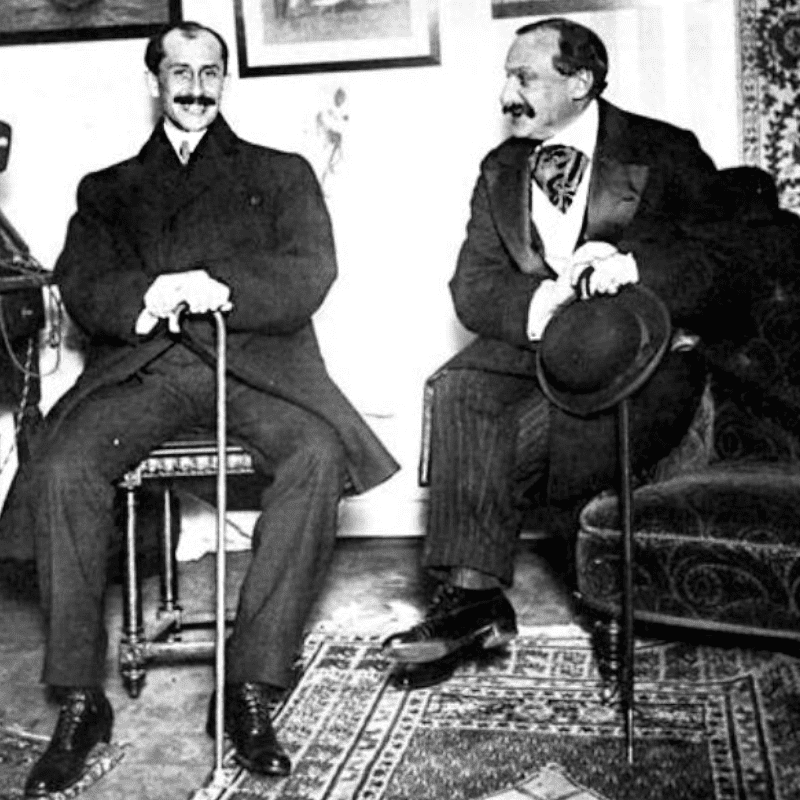
Throughout his career, Hart was incredibly passionate about promoting various business ideas. One such interest involved aircraft builder August Scherl. Berg assisted and supported Scherl in promoting monorail systems in America. Hart began organizing an exhibition to showcase the project’s capabilities, but it didn’t receive enough financial backing.
Berg served on a commission that provided aid to Belgium during World War I. He then attempted to help develop the aviation industry in the U.S., but the proposal was ignored for a long time before being ultimately rejected.
His life was remarkably full and fascinating. Hart O. Berg managed to cross the Atlantic over 150 times during his business career. He passed away after a prolonged illness on December 9, 1941, in New York City.