

Fifty years after the Clean Water Act was signed, many rivers and streams across Pennsylvania remain polluted or are even getting worse. This includes Philadelphia’s vital waterway, the Delaware River, according to data from the Environmental Integrity Project. Find out more at philadelphia.name.
The Clean Water Act certainly helped fund upgrades to wastewater treatment plants and reduced industrial discharges and human waste in our rivers. However, it had weak spots that, even after half a century, haven’t allowed us to fully overcome these issues. That’s why activists are pushing for stricter regulations, updated treatment facilities, and higher operational standards. Let’s dive deeper into the problem.
Assessing the Health of U.S. Rivers and Streams
Most natural water bodies in the U.S. are contaminated by waste from oil refineries, chemical plants, and industrial farms. The technological standards for pollution control systems haven’t been updated in decades, leading to increased pollution even in areas where it was previously decreasing.
A 2022 report categorized half of the assessed miles of U.S. rivers and streams, as well as lake areas, as impaired. It’s important to note that this report didn’t even evaluate all water bodies, suggesting the problem is far more widespread.
According to the Environmental Integrity Project, the condition of the Delaware River is among the worst. The report indicates that 97% of the 1,104 assessed miles of the waterway are polluted in one way or another. Common pollutants include fecal bacteria, pesticides, dioxins, and nitrogen and phosphorus fertilizers.
River pollution directly impacts public health. People lose access to clean drinking water, can’t safely prepare food with it, can’t let their children swim in clean water, and can’t enjoy recreational activities near these bodies of water. A wide range of diseases are also linked to the poor water quality residents consume daily. So, this problem affects everyone. Many Philadelphia activists are calling attention to it and urging authorities to act to clean up the waterway.
Root Causes of Waterway Pollution
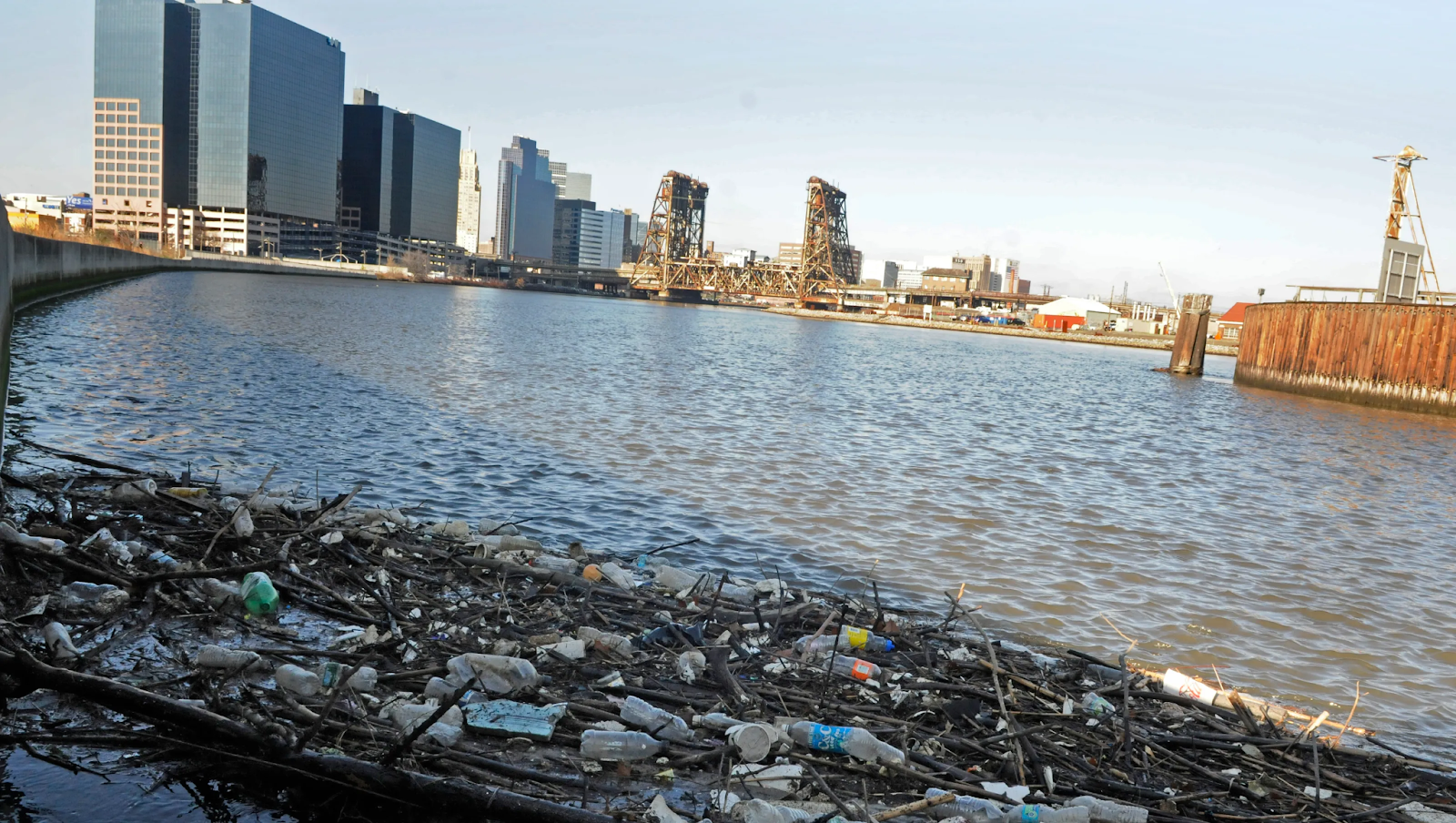
Overall, 30% of Pennsylvania’s rivers and streams are polluted. The Environmental Integrity Project asserts that a large number of industrial farms and slaughterhouses contribute to deteriorating water quality. Their owners spray wastewater, containing fecal bacteria, onto corn fields. This then seeps into groundwater and eventually makes its way into streams and rivers. In one notable case, a chicken production company was ordered by a court to pay residents in nearby areas $65 million for contaminating their drinking water this way.
Furthermore, environmental advocates argue that Philadelphia’s sewage infrastructure couldn’t keep pace with the rapid growth of residential and commercial real estate. This became particularly noticeable in the early 2000s.
Activists are urging Congress to revisit the Clean Water Act and eliminate loopholes that allow agricultural runoff to pollute waterways. The current 1972 Act effectively addresses “point sources” of pollution, such as pipes discharging pollutants. However, other sources and runoffs are not specifically regulated, leaving their treatment and disposal to the discretion of property owners.
Factory farming is an industry that produces an enormous amount of waste, which has only increased over recent decades. Therefore, this sector also needs stricter regulation, not least to clean up the Delaware River and prevent further environmental problems.
Solutions for River Pollution
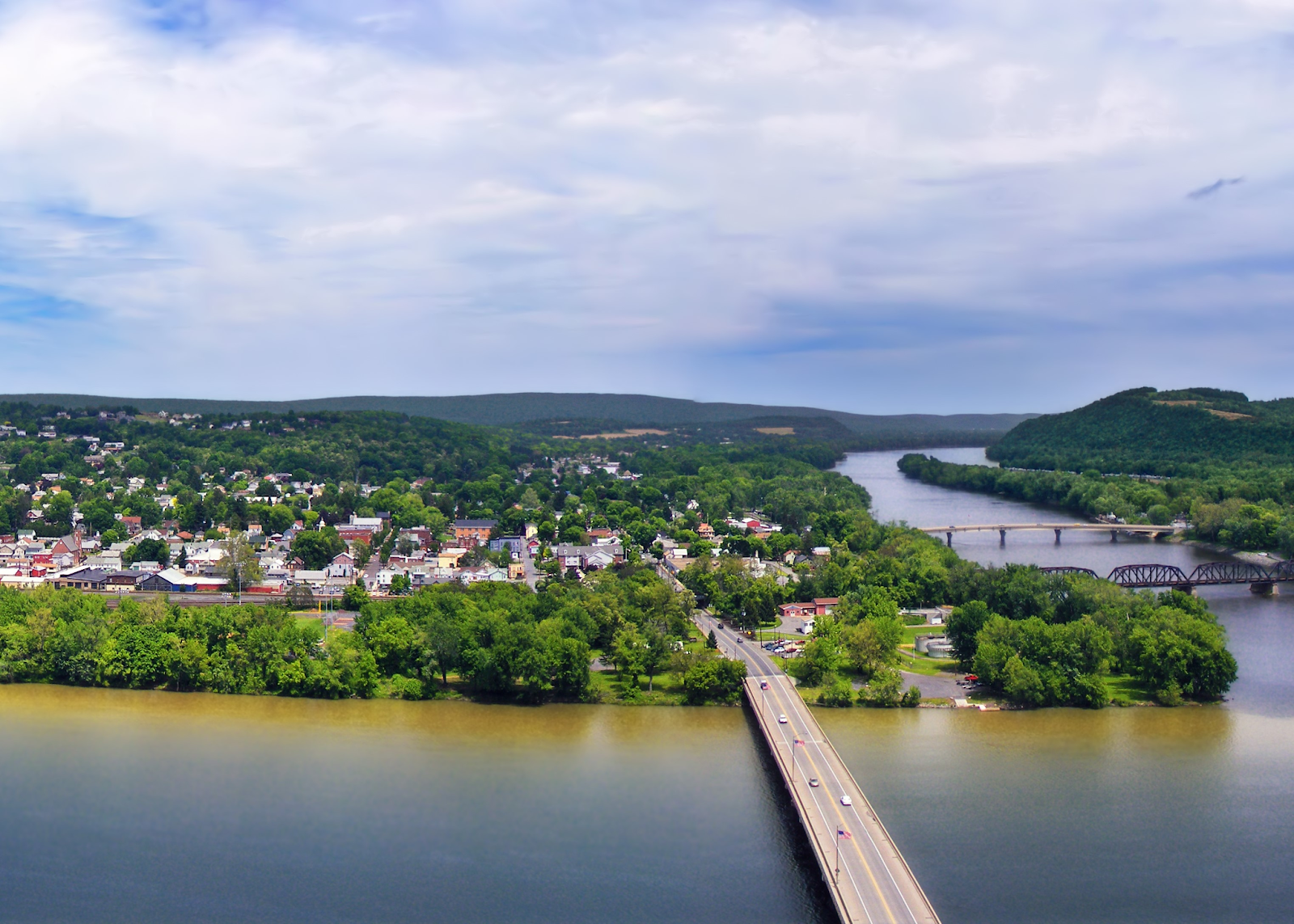
What can be done to make waterways in Philadelphia, across the state, and nationwide cleaner? Several key areas of action include:
- Updating technological limits for industrial water pollution control systems. These should be reviewed and revised every five years, but for example, cement manufacturing standards haven’t been updated since the 1970s, and this is far from an isolated case.
- Implementing universal definitions for waterway pollutants across all states, along with established levels for common contaminants to facilitate better monitoring.
- Improving enforcement of the Clean Water Act regarding total maximum daily loads to reduce pollution, especially during waterway recovery periods.
- Utilizing federal funding to create infrastructure and conduct pollution control measures, especially in communities experiencing the highest levels of contamination.
The Clean Water Act, developed and signed back in 1972, aimed to ensure 100% of waterways were suitable for swimming and fishing. Unfortunately, that’s still a challenge. However, systematic progress towards this goal, with decade-long interim targets and concrete plans, is essential to start reducing river pollution levels right now.
The Philadelphia Water Department is also working in this direction, gradually improving the condition of the Delaware River and encouraging citizens to participate in environmental projects.