

Local residents may not know about every park in the city, as some are located in the most secluded areas. One of these is the James G. Kaskey Memorial Park, which is also known as the Bio Pond. However, anyone who visits this place will surely want to come back again. Learn more at philadelphia.name.
Founded in the nineteenth century
The first mention of the modern Kaskey Park dates back to the end of the 19th century. However, it was not intended to serve as a walking area. It was created by Dr. Rothrock and his colleague John MacFarlane, who at that time worked in the Department of Botany at the University of Pennsylvania. Initially, the men planned to establish a botanical garden, which actually opened in 1897.
The idea initially occurred to Dr. Rothrock. He was then the chair of the Department of Botany and was particularly interested in creating something that may subsequently be used to help educate the next generation of scientists. However, without support, Rothrock would not have been able to carry out his plan. At that point, John MacFarlane came to his aid, so he was eventually able to persuade the Biological Department of the importance of his colleague’s notion. The man advocated in favor of the specific benefits that may be achieved from the recovery of the vacant land that surrounded the department.
A small area that surprised everyone
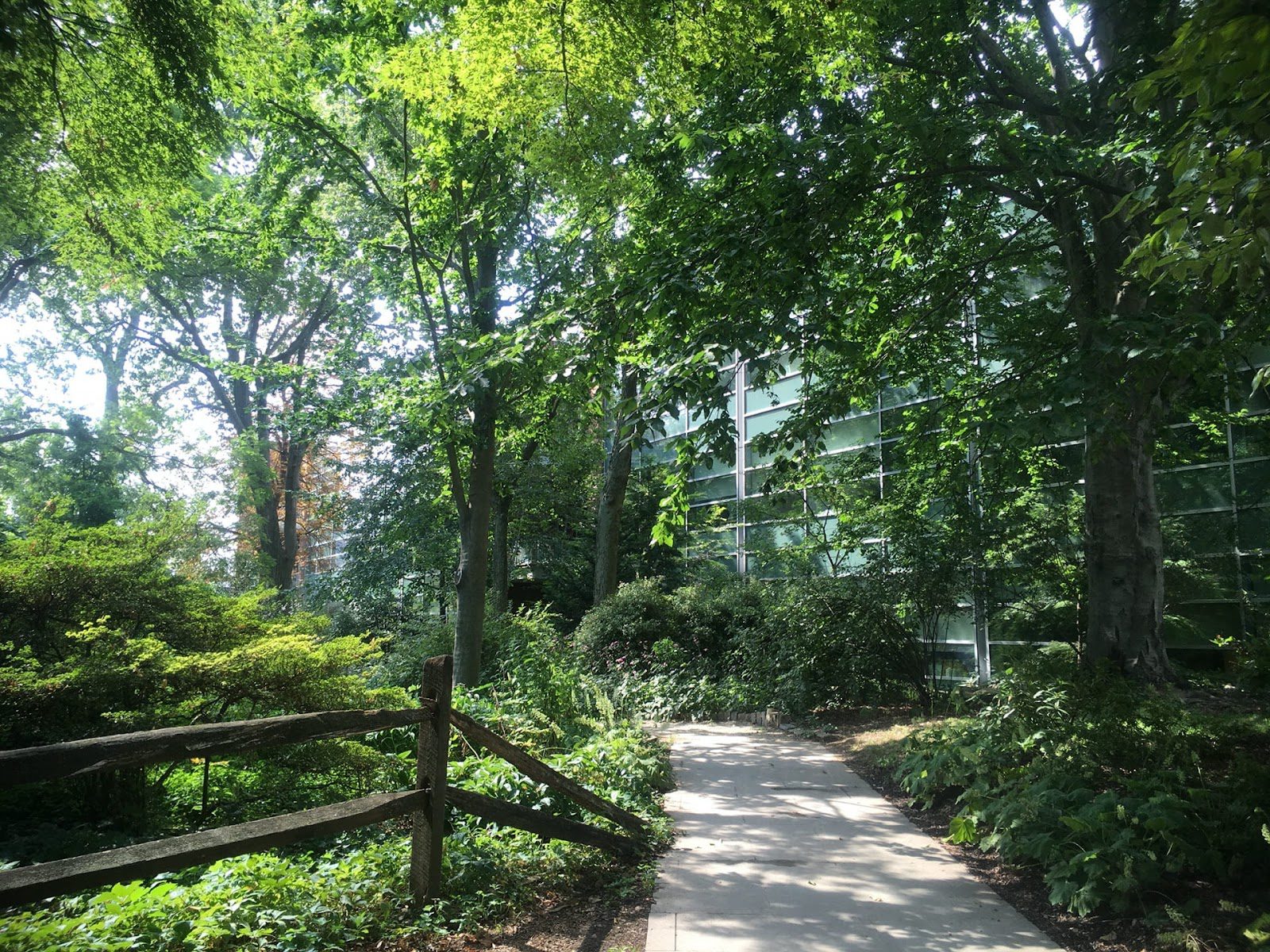
Usually, creating a botanical garden necessitates a big plot of land. However, in the doctors’ case, the area was a mere 5 acres. It was believed that this amount would be insufficient and that the university representatives would not succeed, but the exact opposite occurred. Professor MacFarlane took on the project with great enthusiasm, and he was able to transform the wastelands and valleys of sand and gravel into a garden. The territory not only met the botanical research demands of the department members as planned by the creators but also served as an exquisite addition to the university landscape.
The newly built garden proved to be unique in a number of ways. The most significant distinction was its size, which was considerably smaller than the average botanical garden. It is also noteworthy that the development area was located on a vacant lot in the southern part of the Pennsylvania campus, making it beneficial to the entire educational institution and its students.
Elements of the garden
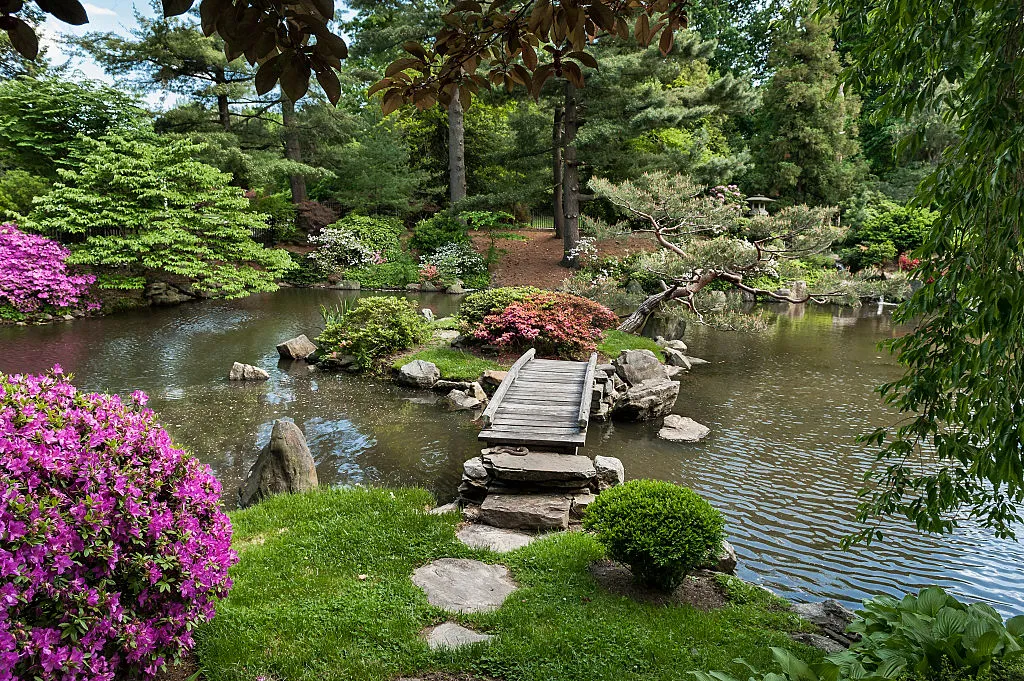
The creators made the most of the available space to grow plants. In its early years, the Botanical Garden featured an extensive system that included sixty-eight long beds for herbaceous plants. Additionally, there were two greenhouses. An equal number of ponds were established for aquatic vegetation. There were rock gardens, a bog garden and an iris garden on the grounds. Later, the number of greenhouses was increased from two to eight, and propagating frames were installed.
Each greenhouse was used to its full potential. They were attended by both students and teachers. The greenhouses housed a diverse assortment of plants, including cacti, carnivorous plants, ferns, palm trees, rhipsalids, orchids and more. The number of species of flora was vast, and the list provided is merely a fraction of it.
The pride of Professor MacFarlane and criticism
Everyone who has made something beautiful and unique is proud of their work. Professor MacFarlane was no exception. He felt great pride in the garden he had worked so hard to create. He became its director in 1899 and decided to publish a small pamphlet about the territory called “A Short History of the Garden”. He produced it for The Ladies Auxiliary Committee of the Botanical Society of Pennsylvania.
A copy of the pamphlet created by the professor exists even in modern days. It allows visitors to appreciate the overall complexity and beauty of the garden, which was built and maintained with love. The brochure also contains several photographs that have been preserved for the contemporary generation. The pamphlet draws special attention to the fact that the University of Pennsylvania was one of the first to place importance on practical training. This allowed students to observe plants in the Botanical Garden rather than just seeing them in textbook pictures. The author also mentioned in the booklet that the territory has become useful not only for university education but also for scientific research. This approach to business allowed for the creation of several valuable publications, all thanks to the garden, encompassing only 5 acres of land.
However, there will always be people who will be dissatisfied with the amazing work of others. The same fate awaited MacFarlane, who faced a lot of criticism for the size of the Botanical Garden. “Experts” believed that a 5-acre area could not be as useful as large gardens. The professor’s judgment, however, was unaffected by this statement. In contrast to popular belief, he argued that small botanical gardens in Europe produced better scientific results than large ones.
Further fate of the garden
The main goal of creating a botanical garden was to use it solely for research purposes. Despite this, the spot has become popular for everyday visits. The area was frequently used for academic activities. It also served as an open-air event site several times a year. This practice remained relevant until the twenty-first century.
Until 1898, the Botanical Garden had a gardener’s cottage and laboratory. You could also see two ponds on the property. One was designated for general water aquatics, while the other was designated solely for growing lotuses.
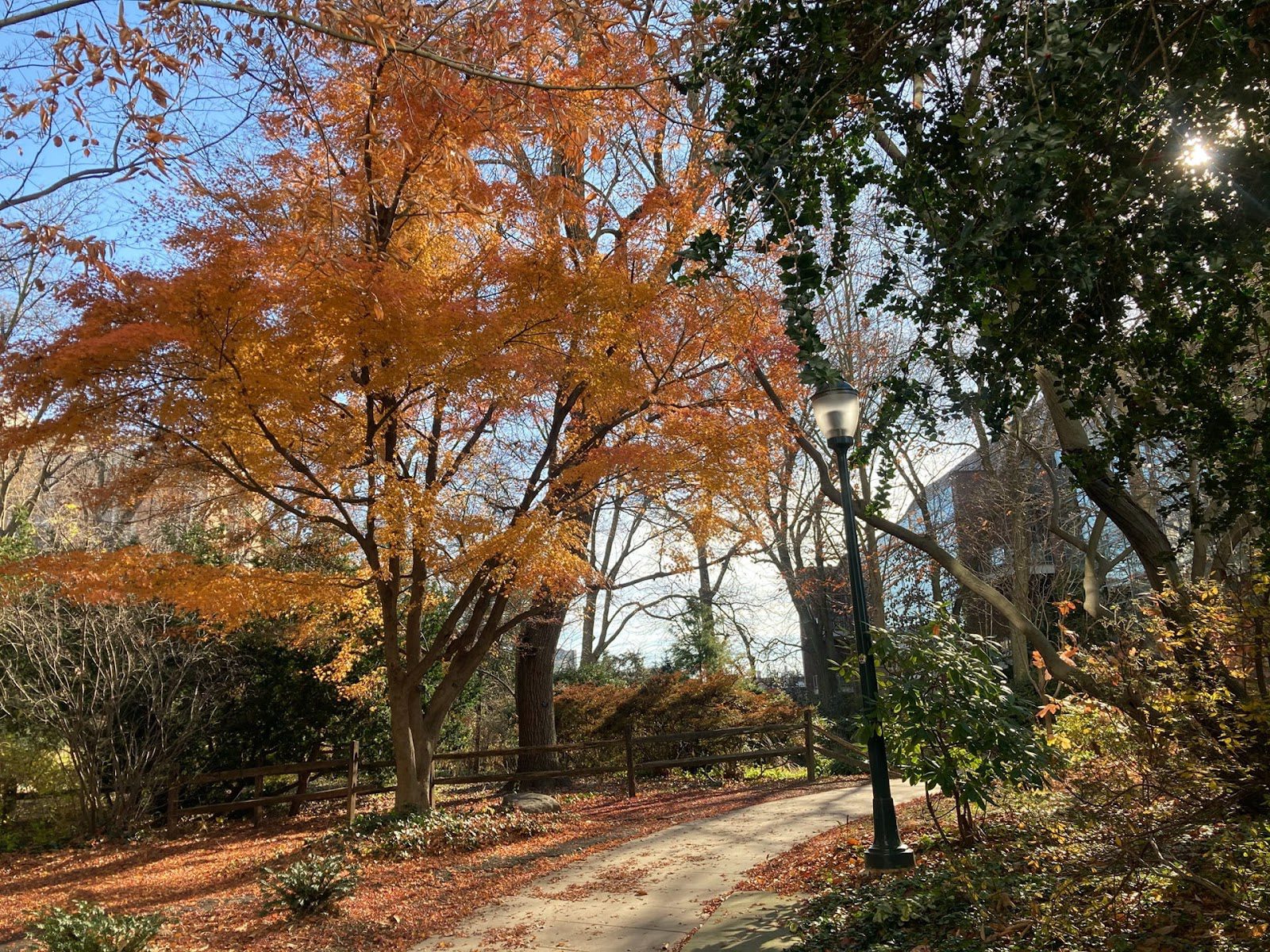
In certain instances, the garden area expanded unintentionally. Pine Street was closed for a certain period, so a combination of circumstances resulted in the fact that it turned into a walking alley lined with trees and flowering plants. Further development of the territory was carried out by MacFarlane. He planted memorial trees in the avenue, each of which was named after a prominent individual associated with the university. The territory was named Hamilton Walk in honor of William Hamilton, the initial owner of the land.
Significant changes in the Botanical Garden and its modern name
Unfortunately, the garden did not remain long in its original state. Between 1904 and 1910, the area was decreased to 3 acres. All of this was due to the construction of Medical and Zoological Laboratories. In the spring of 1936, the area with century-old trees was demolished to make room for 38th Street, also known as University Avenue. Such modifications completely broke the connection between the forest and the garden. As a result, a traffic pattern emerged, destroying the rural landscape of the garden.
In the mid-1980s, the greenhouses were demolished to make way for another building. The Botanical Hall suffered the same fate. Later, new greenhouses were built, however, only two of them.
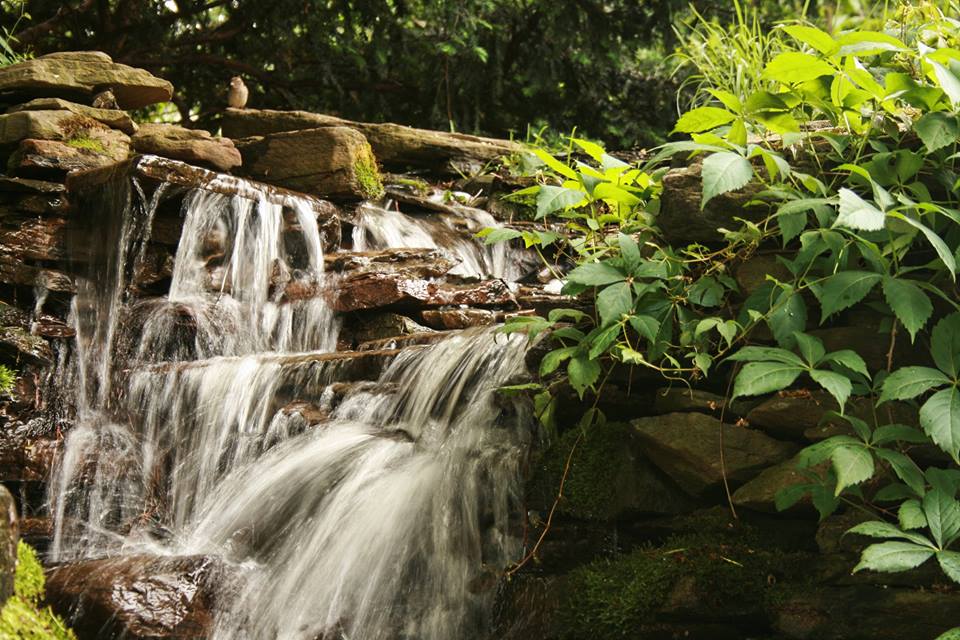
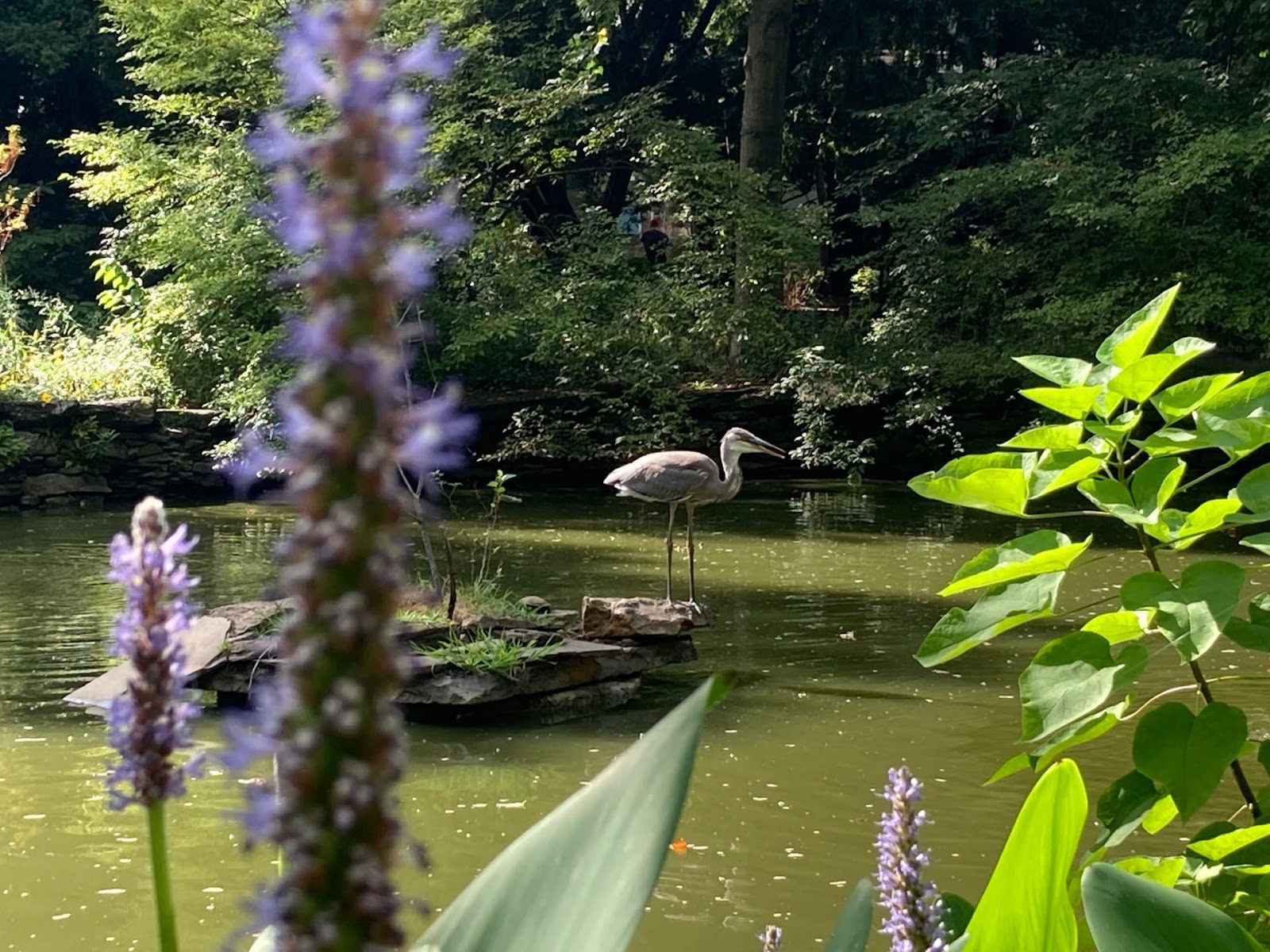
After all, due to its unkemptness, its appearance and condition only worsened. The pond accumulated so much silt over time that it started overflowing its banks. Of course, local turtles, crayfish, ducks and goldfish did not mind the change in their habitat, but the area lacked green space. So, thanks to donations from the Kaskey family, the pond was deepened, leveled and improved. A waterfall and water walls were constructed along the sides. Later, the park was named in honor of the family, who took care of the state of the territory and gave it new life.
Over the decades, the park has not grown in popularity enough to attract daily visitors, and many people are not aware of its existence. However, this place is worth visiting at least once.