

In modern times, anyone can visit a place like a zoo. However, in the old days of the 19th century, it was something new and unusual. Thanks to a man who visited London and saw that collecting animals was possible, Philadelphia was able to create and receive the title of the first city in the United States to open a zoo. Read more at philadelphia.name.
Inspiration for opening a zoo in Philadelphia
In 1850, William Camac, a native of Philadelphia, traveled around Europe. He was a rather successful doctor of medicine. It so happened that he did not miss the famous zoo in London, which opened only in 1847. This place was unusual not only for the people of Great Britain but also for the United States. That’s why Camac also visited the strange park with animals. Seeing all the animals and the admiration of visitors, as soon as he returned to America, he advocated the construction of a zoo in Philadelphia.
Downtime
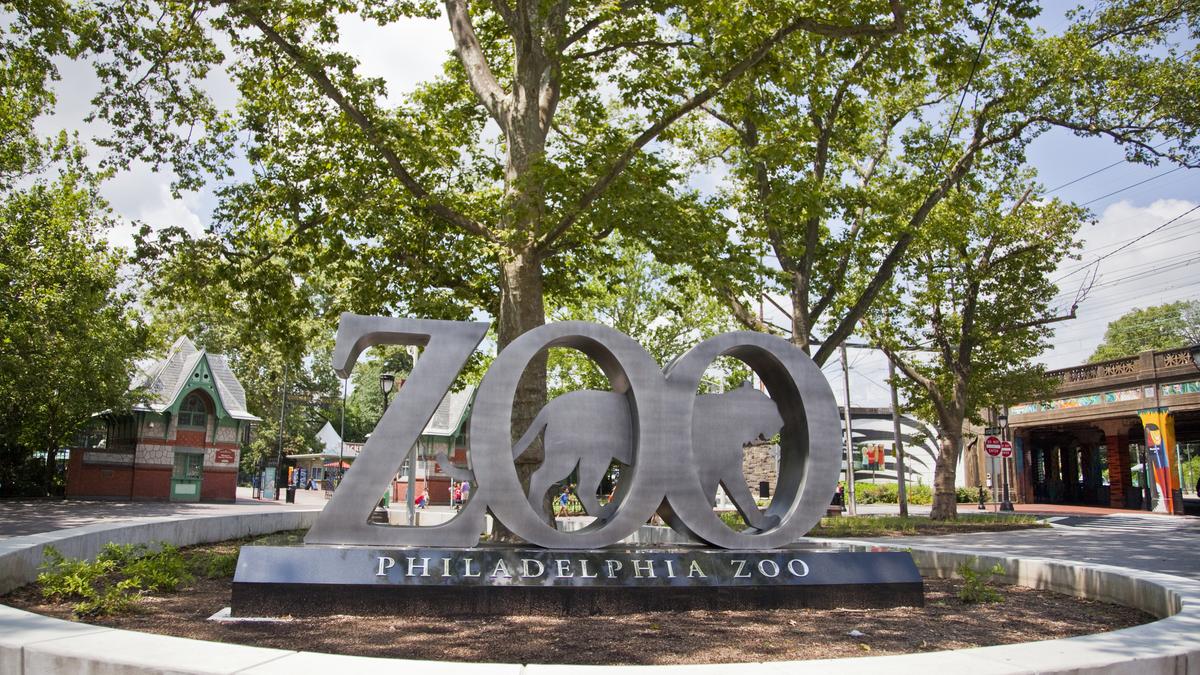
In the period from 1861 to 1865, America was forced to live in the conditions of the Civil War. For this reason, the opening of the zoo was postponed. At the beginning of 1861, the manager, William Camac, like everyone else, had no idea how long the park’s existence would be delayed. However, after the end of the Civil War, he and 27 founders began a fundraising operation. In 1873, the Fairmount Park Commission granted the zoo a perpetual lease on a site on the banks of the Schuylkill River.
The project was created by German engineer Herman Schwarzmann. Later, he invited a large number of architects to be responsible for individual expositions. This working group included Frank Furness, George Hewitt, Theophilus Chandler, Edward Collins, Charles M. Autenrieth and John Crump. All of them started working hard to create a large-scale project in the shortest possible time.
But Camac still had one more issue that needed to be addressed urgently: finding someone to fill the position of director. So in July 1873, he wrote a lengthy and detailed letter to Frank J. Thompson. In his message, he promised to give him a house to live in and a competitive salary of 2,000 dollars a year. All this Thompson would receive if he took the position of the first director of the zoo. Of course, the man agreed to the offer.
Opening of the first zoo in the USA
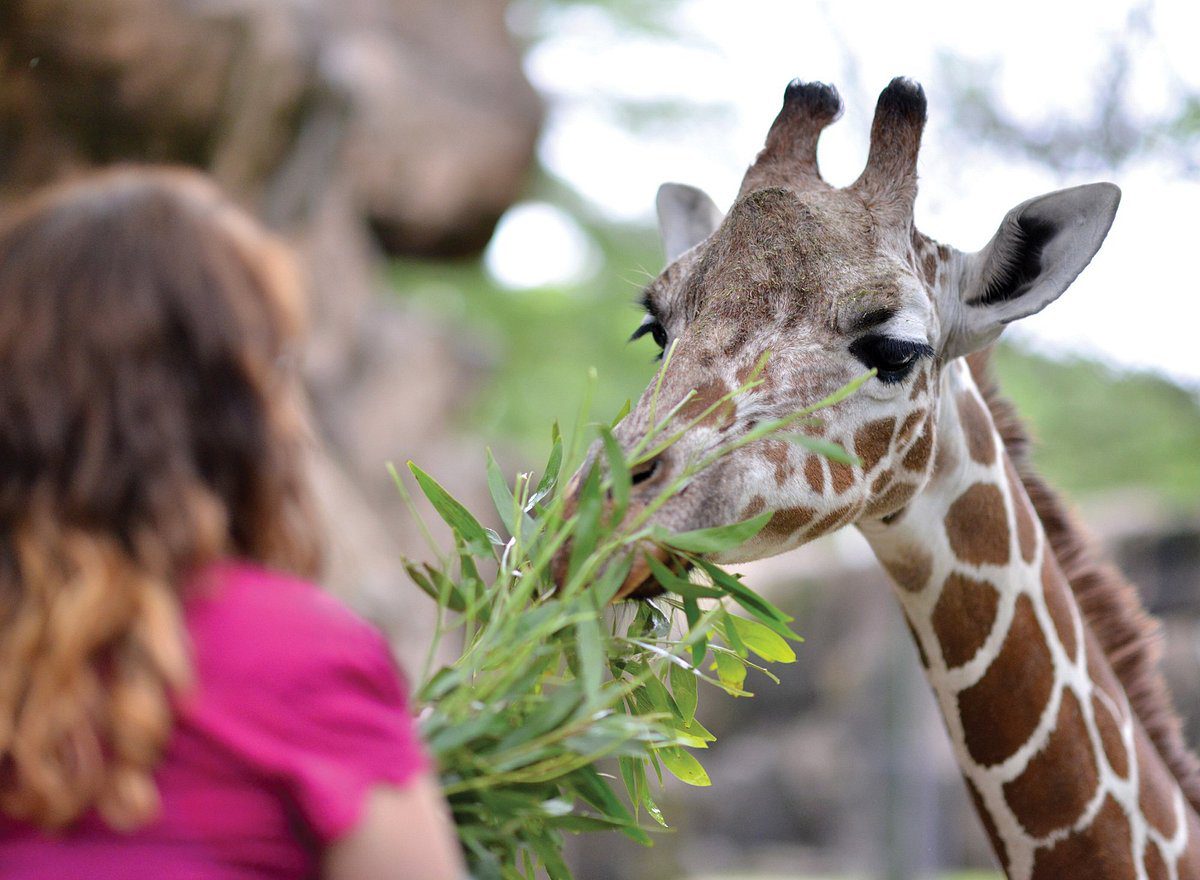
On July 1, 1874, a remarkable event finally took place, the doors of the zoo were opened. It became the first institution of its kind in the whole of America. Thanks to the new director, Mr. Thompson, on the opening day, visitors were able to see a large collection of Australian animals, including 10 species of marsupials and exotic birds. On the first day of the zoo’s work, more than 3,000 people came to see different animals with their own eyes. Each guest was greeted by an incredible landscape that imitated a Victorian garden. Also at the entrance, one could see a stable for horses that transported zoo visitors.
At the time of the opening, anyone could visit the unusual facility and see the different animals, but they had to pay for a ticket first. The entrance fee was 25 cents for adults and 10 cents for children. It is incredible that this fee policy was maintained for 50 years.
During its first birthday, the zoo had an incredibly large number of animals. The park’s collection could even compete with some of the modern ones that are included in the list of the best institutions. So it is not surprising that people from all over the country came to visit. Visitors arrived on foot, by horse-drawn carriage, passenger trains and by steamer. During the first 8 months of the zoo’s existence, the number of guests even exceeded the annual attendance of the London Zoo. Such a difference showed that many people were interested in learning about the life of animals, as they were ready to travel for days to get to the appointed place. In 1876, the number of visitors increased to almost 680,000 people. This figure set a record that remained unchanged until 1951. In that year, the number increased to 858,000.
New director and development of the zoo
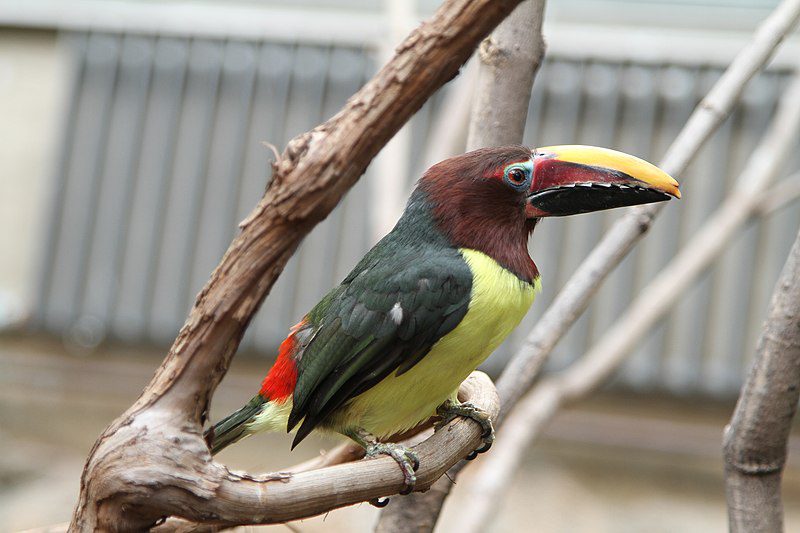
April 1876 was an important month for Arthur Edwin Brown, as he took over the zoo and became its next director. He turned out to be one of those who gave the most of his life to serve and care for the incredible world of animals. He served for 34 years until his death in 1910. However, he managed to do a lot for development.
At the beginning of his leadership, Mr. Brown not only worked at the zoo, but also lived there. For some time, his home was the John Penn estate, which was built in 1784. The man was described by everyone as an astute naturalist. He gained considerable fame as a herpetologist. This topic was one of the main ones in his articles, of which he wrote more than 20. But Brown also knew a lot about bears and primates. He was interested not only in observing animals and solving urgent problems in the zoo, but also in finding new, unknown species of snakes. He discovered 4 of them. These species belong to the North American snakes, which were not known to science before.
When the park had existed for more than 20 years, numerous financial problems arose that the institution could not cover on its own. Therefore, the city came to the rescue and began to provide an annual grant for the maintenance of the zoo. In 1891, Philadelphia allocated funds in the amount of 2,000 dollars so that the management could build new pheasant enclosures. Such generosity could not be ignored, so in gratitude, the zoo provided 10,000 free tickets for schoolchildren.
The Great Depression
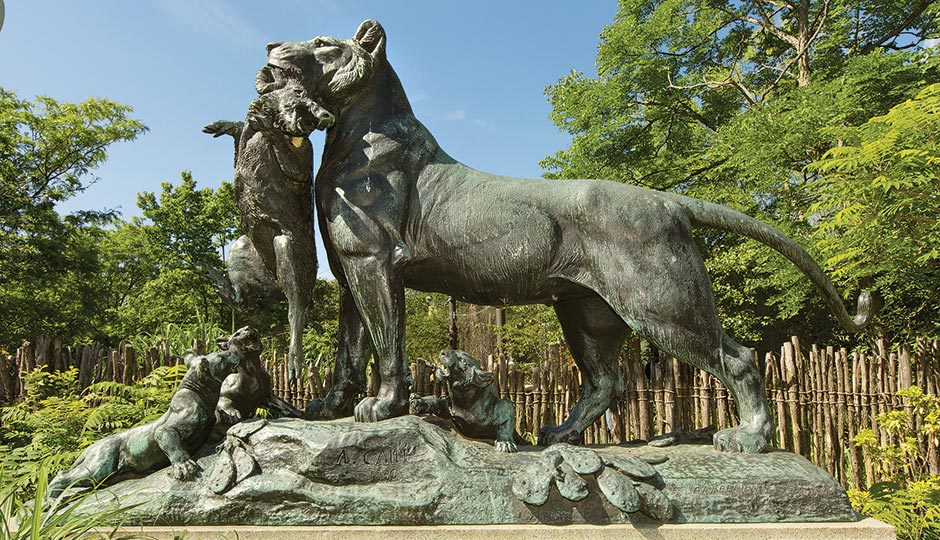
Starting on October 29, 1929, the city, like the rest of the world, was hit by the Great Depression. It also became known as Black Tuesday. This event was the most critical time for the zoo. Many buildings and enclosures were old, and for obvious reasons, there were no funds to improve their condition. At that moment, the Pennsylvania Railroad came to the rescue. They agreed to help the zoo financially in exchange for a small plot of land.
However, the situation with funds was getting worse every month. The director even thought about closing the facility and selling all the animals. This terrible news began to spread quickly through the city. In 1932, the children of Philadelphia were quick to react to the possible end of one of their favorite places. Therefore, the little residents of Philadelphia began to empty their piggy banks and send money to the zoo. They organized circus performances, staged plays and set up small kiosks selling lemonade and candy. Throughout the city and the suburbs, children tried to support the management of the institution by sending them gifts.
After watching the zoo’s fierce struggle for existence, schools and clubs joined the children. Young cinematographers also promised to donate all of their income from the first performance to the institution.
Every help to the zoo was invaluable, as it made further development and prosperity of the institution possible. The revival took place in 1938. It was not in vain, as at the celebration of the 100th anniversary in 1959, the number of visitors since its foundation reached 59 million people.
William Camac’s one look at the newly created zoo in London was the beginning of a long story. Indeed, not all of the journey of the Philadelphia animal park was a joyous one. The animals and the people had to go through some pretty tough trials. But they proved to be worth it so that in modern times, children can continue to enjoy spending time with their parents in their favorite place on the planet.