

At first glance, raccoons may seem like cute and attractive animals. However, it’s essential to remember that they are wild animals, and their presence in homes often leads to chaos and trouble. Philadelphia is one of the cities where raccoons are frequently seen on the streets and may even find their way into homes. These agile and strong animals can easily overturn trash cans and cause significant damage. Let’s explore how Philadelphians are dealing with their presence further on philadelphia.name.
Raccoons on Philadelphia Streets: Government Actions
Raccoons are quite common in the southeastern part of Philadelphia, and the city is not the only one facing their presence on streets and in homes. These wild animals can even be seen during the day, and trapping them does not seem to solve the problem. Raccoons are highly intelligent and tend to return to previously discovered food sources and shelters, feeling quite comfortable around humans.
A significant number of raccoons tend to sneak into the northern part of the city, where many abandoned buildings serve as ideal shelters for these wild animals. From there, raccoons spread to other parts of Philadelphia.
City authorities have been trying to address this issue for a long time. In 2011, City Council President Darrell Clarke personally complained about seeing raccoons on the streets too often. He became the driving force behind a new legislative proposal aimed at tightening measures for raccoon capture.
However, the proposed legislation conflicted with Pennsylvania state laws on the matter, preventing its passage and leaving the situation with raccoons unchanged. Of course, wild animals, like domestic ones, should not be treated cruelly, but residents also need protection, which can sometimes be hard to obtain.
Philadelphia Animal Care and Control Team
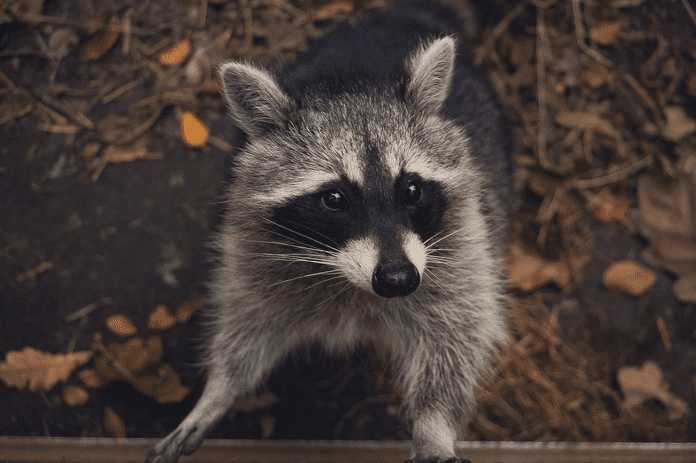
When spotting a raccoon, Philadelphians can contact the local Animal Care and Control Team (ACCT Philly). They respond to raccoon-related complaints in the following situations:
- If a raccoon is found inside the living spaces of a home, such as in the bedroom or living room.
- If a raccoon appears sick or injured (regardless of where it is found).
If the raccoon seems healthy but is found in an attic or yard, the Animal Care and Control Team will not remove it. In such cases, residents are allowed to trap the animal or seek help from licensed wildlife control agencies.
If a raccoon is caught in a trap, the Animal Care and Control Team can retrieve it. The person who caught the animal can also bring it to the ACCT. However, trapped raccoons are not released back into the wild—they are euthanized according to legal guidelines. While this often upsets animal rights activists, these rules help control the raccoon population and reduce their presence in the city.
How to Prevent Raccoons from Entering Your Home
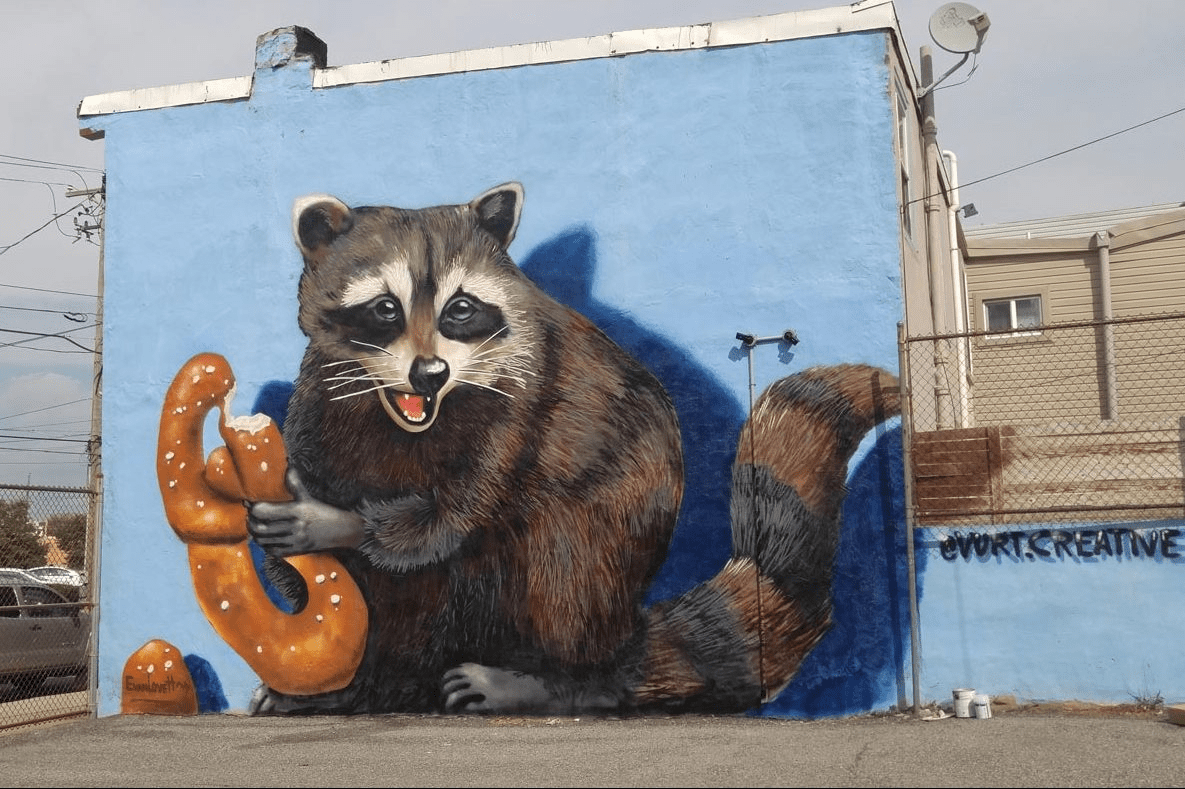
To protect your home from raccoons, it’s crucial not to leave food or its sources accessible to them. Using metal trash cans with secure lids is recommended. Lids should be fastened with cords or wires to prevent raccoons from tipping them over.
Avoid leaving trash bags on the sidewalk near your house, as raccoons can easily detect smells and locate food sources. They will tear open the bags and keep returning. For the same reason, avoid leaving food for birds or stray cats on sidewalks—use specially designed containers and feeders instead.
To prevent raccoons from entering your yard, make sure to repair your roof, trim tree branches that hang over it, and cover chimneys according to fire safety regulations. While adult raccoons are relatively large, it’s still essential to ensure they have no way of entering your home.
If you have open structures in your yard, it is advisable to cover them with galvanized mesh. This will also protect against small rodents, opossums, and skunks. You can add electrified wire closer to the ground on your fence, which should be activated at night when raccoons are most active and may attempt to enter your home.
If there are abandoned or ruined houses near your residence where you have spotted wild animals, report this to the Philadelphia Department of Licenses and Inspections and the Animal Care and Control Team. This can help address the issue and prevent raccoons from spreading to other neighborhoods.
It’s important to remember that raccoons are not harmless creatures. They are wild animals that can cause damage to property and pose risks to people, so their presence should not be encouraged. Following sanitation guidelines and preventive measures can help keep raccoons at bay and protect residents’ property.