

In the 21st century, the Philadelphia Water Department ensures top-notch water quality and efficient delivery throughout the city. This organization boasts an impressive infrastructure, including over 3,100 miles of water mains, 3,700 miles of sewers, 34 pumping stations, and 6 treatment plants. It supplies water across a 130-square-mile area to approximately 1.58 million customers who enjoy high-quality drinking water every day. But it wasn’t always this way. Dive deeper into the history of Philadelphia’s water supply and purification efforts at philadelphia.name.
The Dawn of Philadelphia’s Water Systems
In the 1790s, Philadelphia was ravaged by a yellow fever epidemic. Thousands of residents perished, and city authorities struggled to contain the disease. While it was later discovered that yellow fever is transmitted by mosquito bites, panic gripped the city at the time. Many speculated that the epidemic stemmed from unsanitary streets and contaminated water.
Sanitary conditions in Philadelphia back then were indeed far from ideal. Open-air privies and latrines near wells contaminated the water supply, and garbage piled up in the streets. The link between these issues and the rampant disease seemed obvious, making the idea of tackling these problems to stop the epidemic perfectly logical.
Citizens began demanding that city officials provide clean drinking water, as well as water for street cleaning and firefighting. In 1799, residents even penned a petition asking for a new source of potable water. In response, the city council formed a special committee to develop strategies for securing a clean water supply. This marked Philadelphia as one of the first major cities where authorities actively addressed this critical issue.
Tackling the Water Purification Challenge
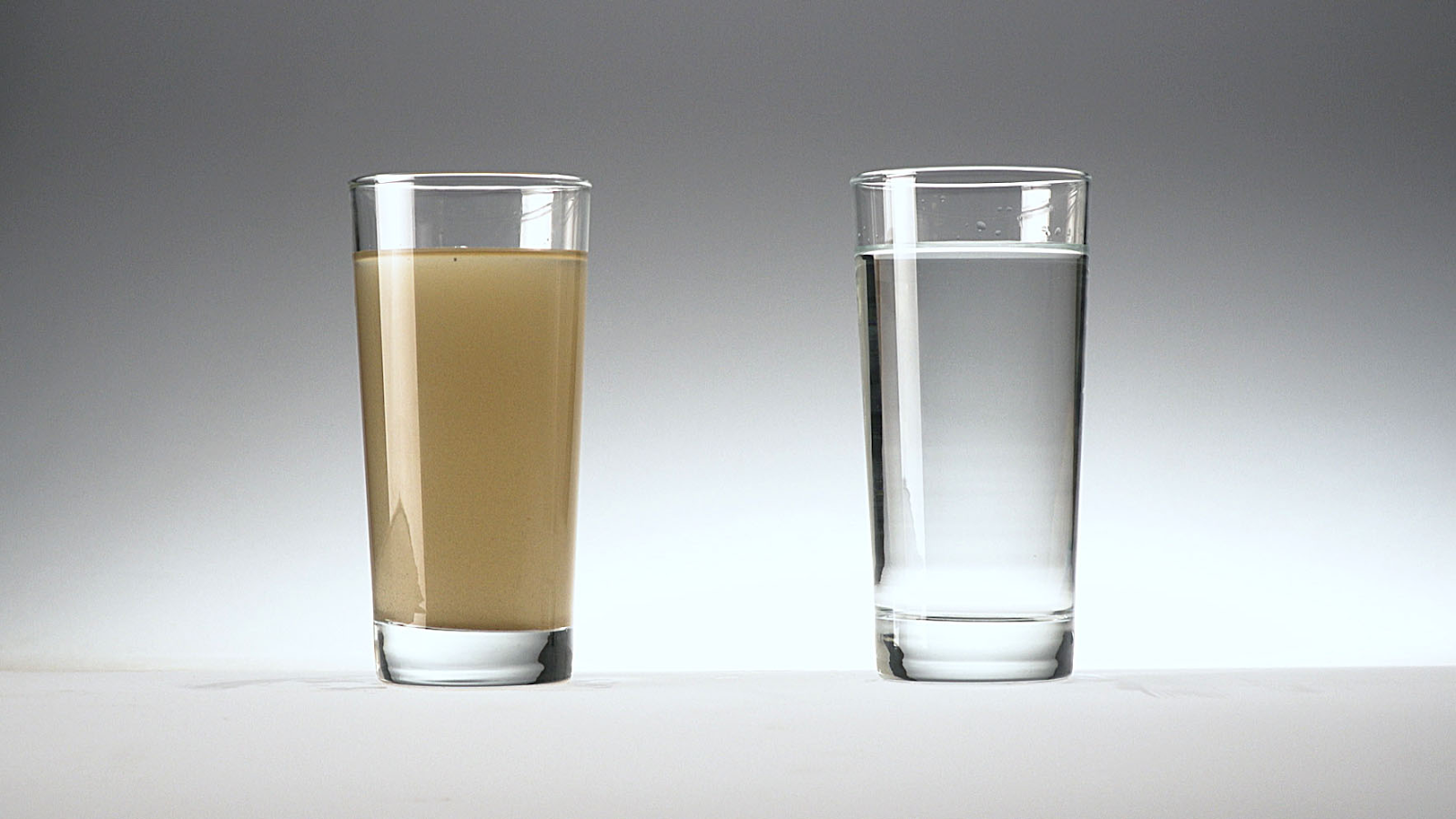
As Philadelphia grew into an industrial powerhouse with a burgeoning population, infrastructure like the Fairmount Water Works was developed. Yet, the problem of water pollution largely remained unsolved.
Textile and paper mills, coal mines, and oil refineries dumped toxic waste into the region’s waterways, and wastewater went untreated. This led to a typhoid fever epidemic in the 1890s. Unlike yellow fever, typhoid was directly linked to contaminated water, prompting citizens once again to demand wastewater treatment. Unfortunately, city authorities were slow to respond.
Typhoid deaths soared to 444 in 1901. Five years later, another outbreak claimed 1,003 lives. Only then did action begin, with the decision to implement water filtration and chlorination. Why was this path so long and arduous?
Sedimentation or Filtration? A Pressing Question
At the time, filtering drinking water presented a significant financial hurdle. Moreover, there was no scientific consensus that such an approach would be effective. The science of bacteriology was still in its infancy, as were filtration technologies. It was unclear what precisely needed to be done to combat these diseases. Even when it was proven that typhoid fever spread through water contaminated with specific bacteria, many scientists still favored the idea of simply settling solid impurities out of water without finer filtration.
In 1896, a bill for filtration purification failed to pass the city council. Instead, city council members voted to increase sedimentation basins. This method was familiar and convenient, whereas a filtration system for Philadelphia would require 400 acres of land and $8 million to construct. Increasing sedimentation basins cost only $200,000, therefore the advantage seemed obvious.
Larger reservoirs were built, and water extraction from the most polluted waterways ceased. However, sedimentation alone did not defeat the typhoid fever epidemic. Furthermore, the city’s existing water supply and sewage systems were by then in dire need of major repairs.
New Water Treatment Methods: Implementation and Impact
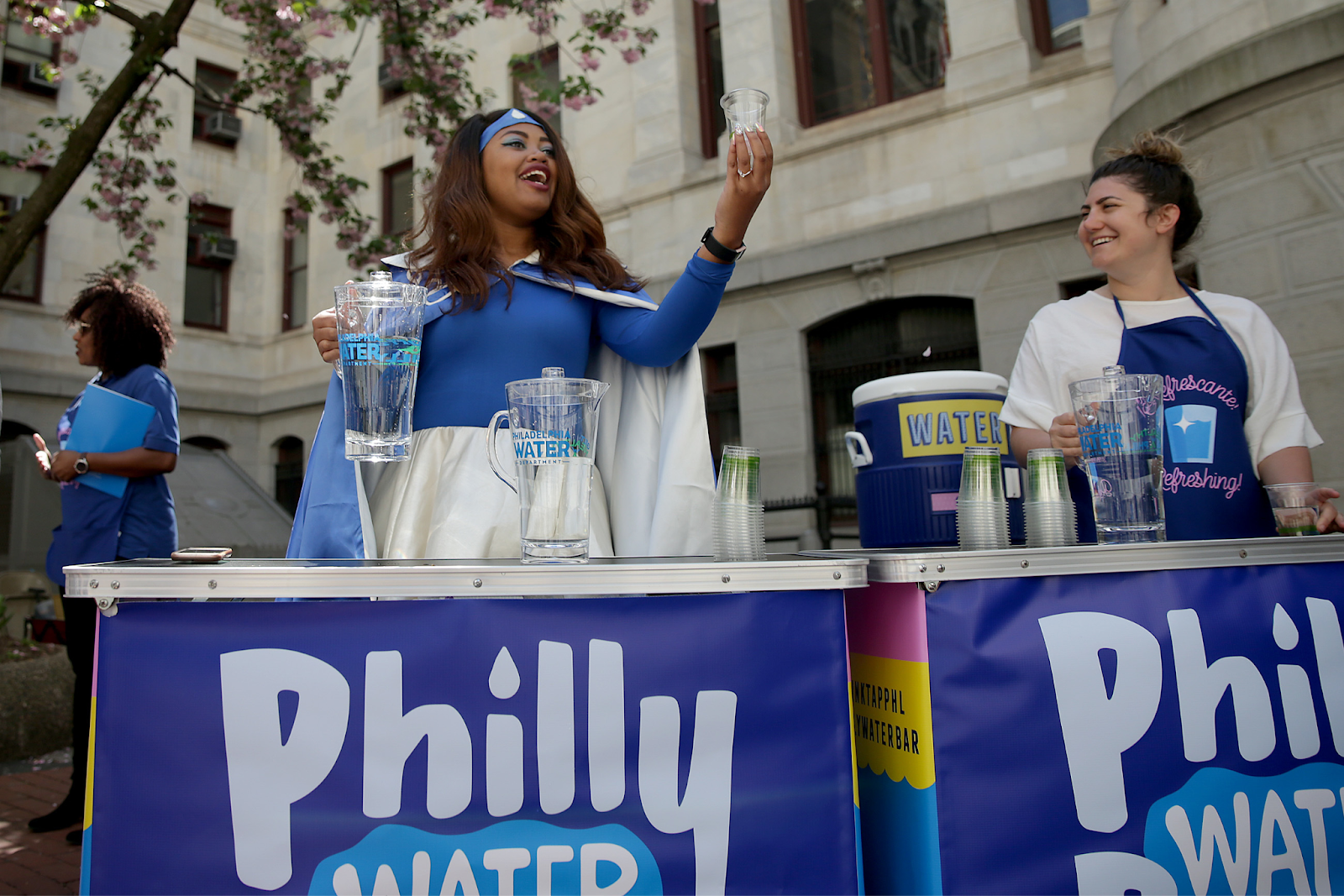
A new wave of typhoid fever swept through Philadelphia in 1899. This time, the city government finally reacted with a decision to try new methods of water purification:
- Construction of the Belmont filtration plant with sand filters lasted until 1912,
- two years later, water chlorination was also introduced,
- these actions showed their effectiveness and stopped the spread of such dangerous diseases as typhoid fever and cholera in the city.
The modern Philadelphia Water Department has all the necessary infrastructure and uses innovative multi-stage purification methods. This allows it to take care of the health of citizens and prevent the spread of diseases.
The protracted struggle for the introduction of new approaches to drinking water purification in Philadelphia emphasizes the importance of public and political support for the development of such areas. Charts showing the decrease in the number of deaths from typhoid fever at the beginning of the 20th century demonstrate the undeniable benefit to society provided by water purification technologies. They also remain a harsh reminder of the tragic losses that delays in solving sanitation problems can lead to.