

The Delaware is a mighty river with a vast watershed, carrying its waters to the Atlantic Ocean across 300 miles and through numerous cities. For centuries, it has provided drinking water, powered mills and industries, and served as a crucial transportation route. By the 20th century, the river’s pollution became evident, prompting significant restoration and preservation efforts. Let’s explore the history of Philadelphia’s primary aquatic artery in more detail. Learn more at philadelphia.name.
Early History
When Europeans first arrived on the banks of the Delaware River in the early 17th century, the area was inhabited by the indigenous Lenape people. The Native Americans called this river the “swift flow,” and it played just as vital a role in their lives as it would later for the colonizers.
Initially, the river served the needs of the Dutch and Swedes, but by 1664, England seized control of the region. Quakers went on to found Pennsylvania and West Jersey. Eventually, cities like Philadelphia, Wilmington, Trenton, Camden, and others sprang up along the river. Their rapid economic development was largely due to their strategic location on the river, which by then was known as the Delaware.
It was named in honor of Thomas West, Baron De La Warr, an English nobleman and the first royal governor of the Virginia colony, who defended it during the First Anglo-Powhatan War.
The Dawn of Industrialization and the Delaware’s Role
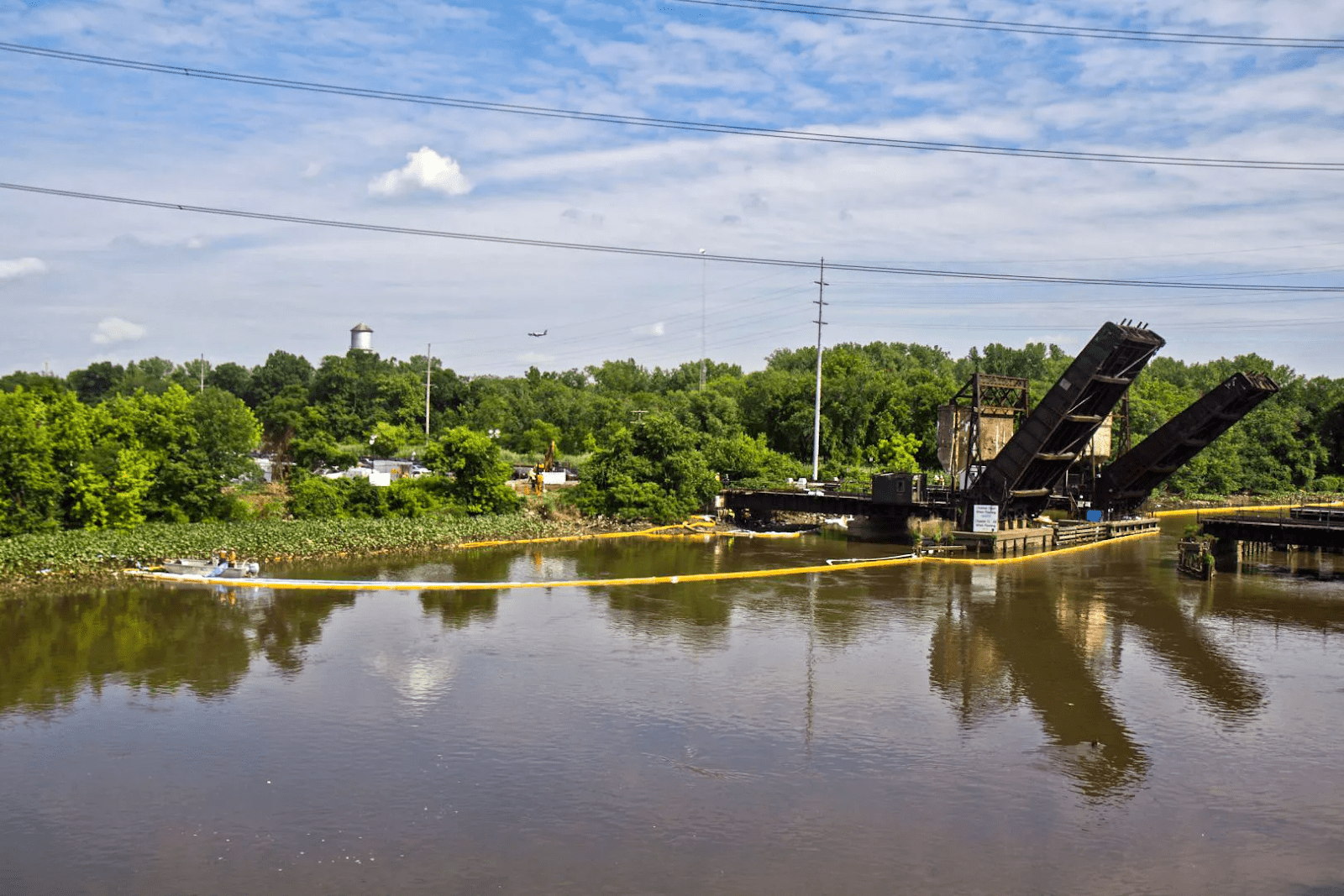
In 1681, English Quaker William Penn received a royal grant from King Charles II for American lands, including what is now Pennsylvania and Delaware. The following year, Penn traveled to the new continent and settled in New Castle. At the first general assembly, the colonists recognized the new proprietor’s rights, and William embarked on an upriver journey along the Delaware. In 1683, he founded the city of Philadelphia.
William Penn chose a location roughly in the middle of the mighty river to create a transportation hub. Early settlers immediately began producing goods not only for their own consumption but also for export to other regions. Moreover, the first ferries appeared on the river, enabling quick travel to neighboring towns.
Water-powered mills began to spring up on the tributaries of the Delaware River. In 1679, a grain mill was built at the site of modern-day Trenton. Milled grain was then floated downstream to Philadelphia. By the 18th century, ironworks emerged along the river, and the iron industry flourished. Sawmills also appeared, as timber could be conveniently floated down the river.
However, the Delaware River also featured rapids, waterfalls, and shallows that hindered the free movement of water transport. When anthracite coal deposits were discovered in northern Pennsylvania, efforts began to improve water transportation routes. This led to the construction of a canal alongside the river, completed in 1832.
Prior to this, the river was home to a large and diverse fish population. Before industrialization, the Delaware supported up to 300 fish species, including catfish, pike, perch, trout, and eel. The colonists’ diet was always rich in fish, and some even claimed the river was a savior for George Washington’s troops. In the south, the oyster industry thrived. However, with the accelerating pace of industrialization, these natural riches were lost.
The Delaware River’s Popularity
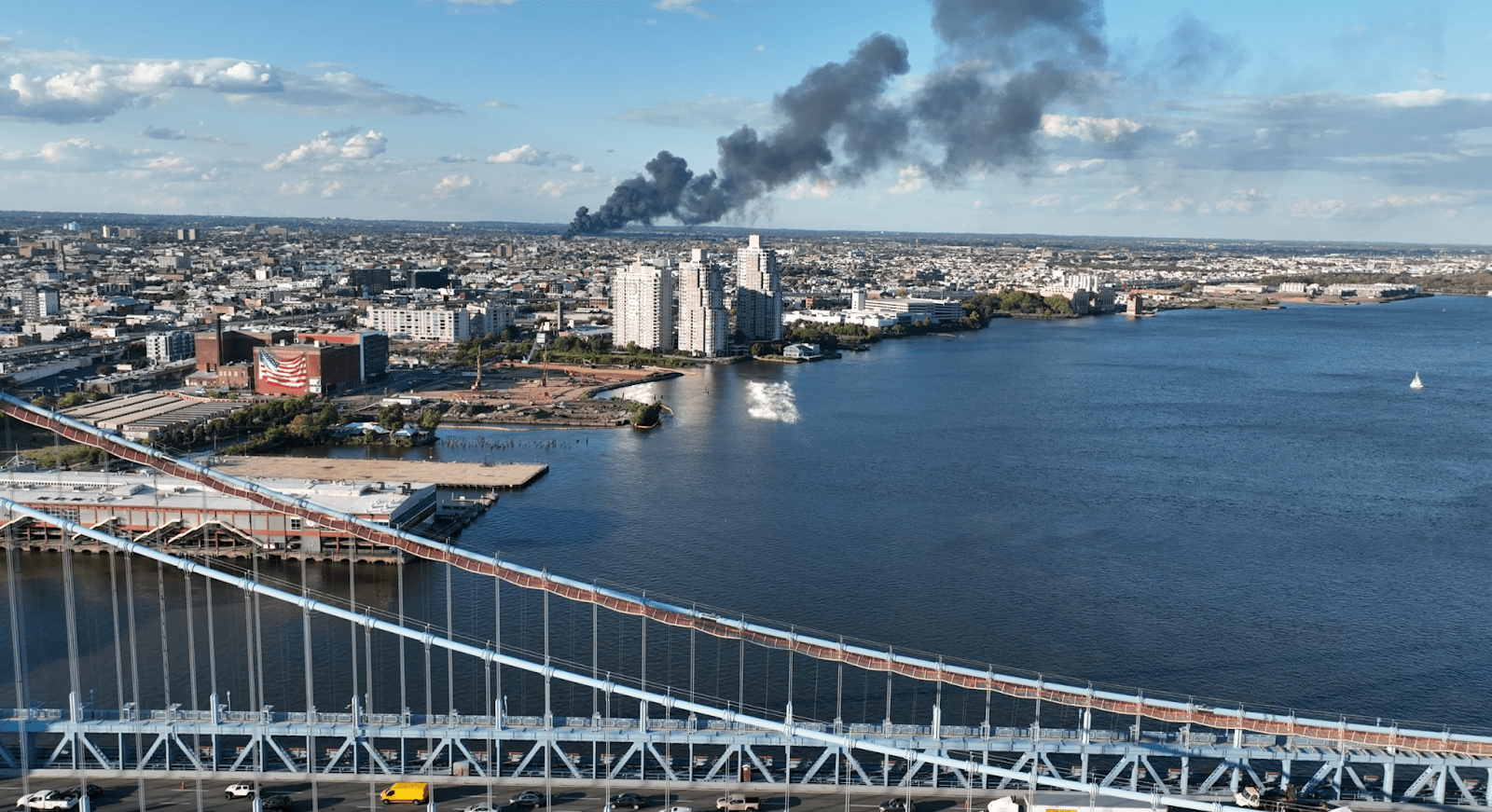
By the mid-19th century, rail transport surpassed water transport in popularity. Nevertheless, railroads provided significant opportunities for transporting various products from industrial enterprises located along the Delaware River, ensuring its importance to the region remained undiminished.
Gradually, this waterway, from Trenton to the Delaware Bay, became the most industrialized region in the United States. Textiles, leather goods, rubber, steel, and ships were produced here. Numerous logging companies, large factories, and plants were established, including those for oil refining, chemicals, sugar, and food processing. Many businesses chose locations along the Delaware River because they could draw the necessary water for production and easily and cheaply dispose of wastewater.
At that time, the environmental crisis was just beginning to emerge on the horizon. Railroad passengers enjoyed the beauty of the Delaware River and its valley, which soon transformed into a popular summer resort. Hotels began to be built, and activities like hiking, boating, and rafting were organized. Amusement parks were created in and around Philadelphia, attracting thousands of visitors:
- In Gloucester County, Lincoln Park opened in 1890, followed by Washington Park five years later.
- In Salem County, Riverview Beach Park opened in 1891.
- A state park was established around the canal connecting the Delaware and Raritan rivers.
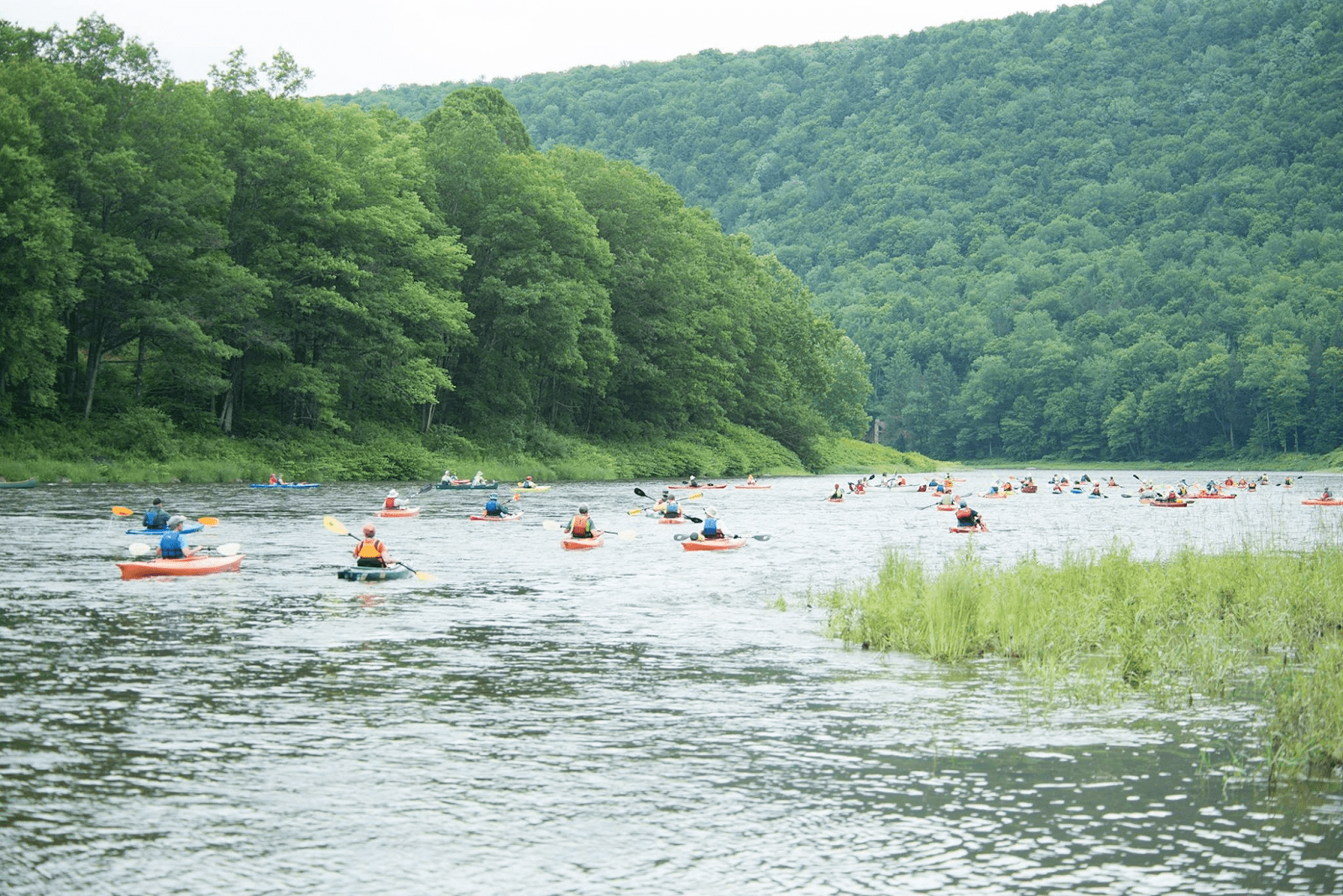
Visitors enjoyed nature, hiking, running, cycling, horseback riding, fishing, and canoeing. Unfortunately, human presence also negatively impacted the waterway’s condition.
Pollution and River Restoration
From the beginning of colonization, the Delaware River was polluted by runoff from tanneries. Subsequently, more and more industries contributed to the pollution. What’s more, the waterway began to be used as a public sewer. Thousands of Philadelphians contracted typhoid fever and cholera, diseases transmitted through contaminated water. Deadly epidemics in the 1890s led to the opening of a sand filtration plant, and by 1912, chlorination of the city’s water was implemented. Despite these measures, the waterway remained a sewer pipe filled with industrial and domestic waste.
In 1948, Congress passed the federal Water Pollution Control Act. Thanks to this, Philadelphia built three primary wastewater treatment plants. These plants filtered solid particles but did not destroy harmful bacteria, which negatively affected the fish population in the river. The situation was complicated by the fact that the river basin was shared by different states, which struggled to agree on its use and protection.
They finally united in 1961. That same year, President John F. Kennedy signed the Delaware River Basin Compact, creating the corresponding Commission. This commission determined the allocation of water use and pollution control for the waterway. In 1972, Congress passed the Clean Water Act, prohibiting the discharge of waste into rivers without treatment and permits. By 1990, over $1.5 billion had been spent on wastewater treatment plants along the Delaware River. These efforts gradually improved the river’s ecological condition.
From 2004 to 2006, the river experienced three major floods, which damaged many structures and lands along its banks. Consequently, in 2007, a Flexible Flow Management Program was developed to regulate water volumes based on calculations and hazards.
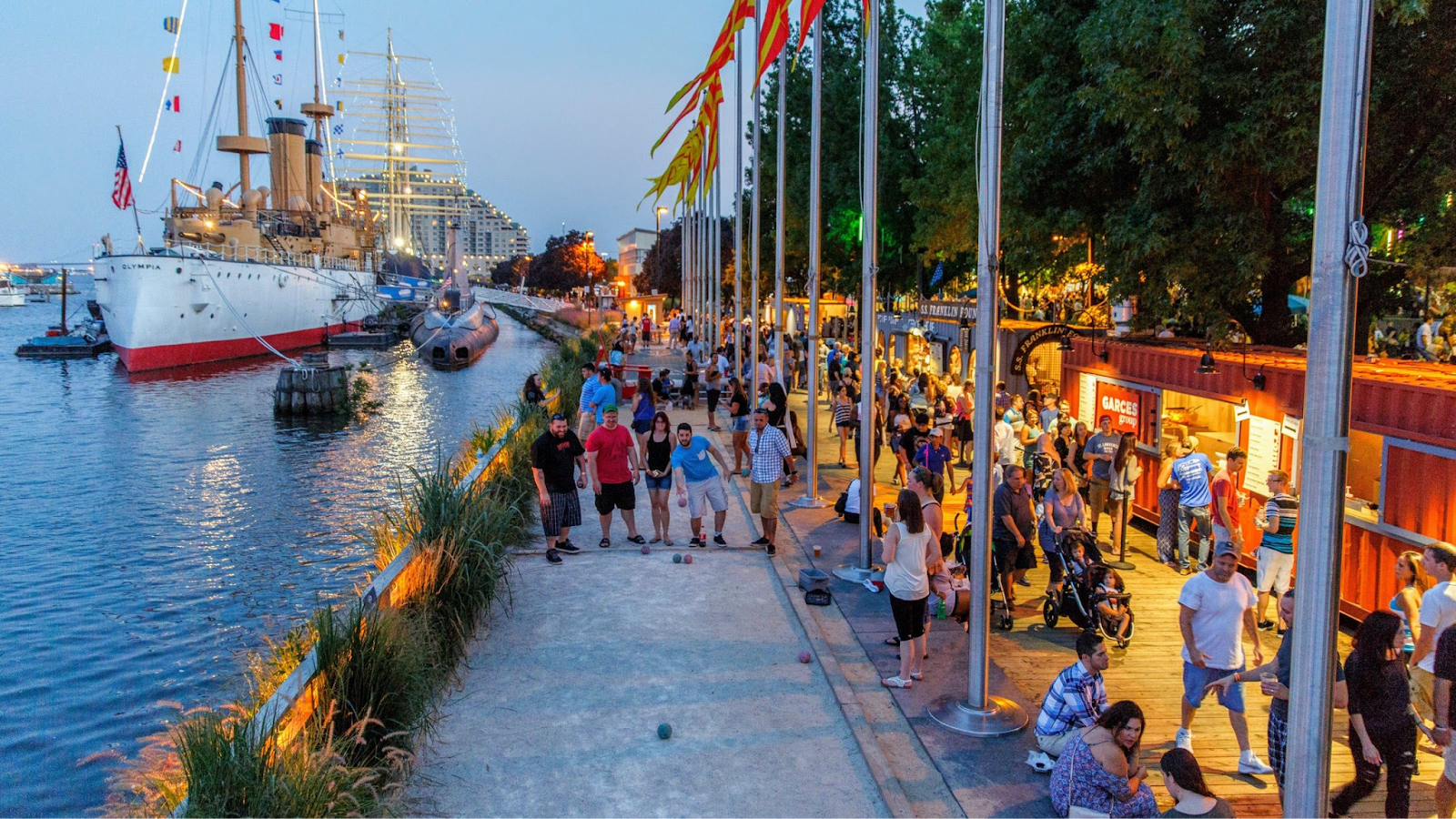
Parallel to these efforts, work began and continues to coordinate the management of river infrastructure, such as bridges and ports. The fact is that any project on the river impacts its condition and ecology, and therefore must be carefully assessed before implementation. Many existing facilities have also been modernized and improved to ensure the preservation of the Delaware River.
In the 21st century, the Delaware River continues to hold immense state and regional importance. It remains a vital industrial hub, but now entrepreneurs are more mindful of its ecological health. At the same time, Philadelphians adore relaxing on the scenic banks of the Delaware and take immense pride in their river. Striking a balance between nature and industry is a complex task, but it’s a goal pursued at all levels.