

Philadelphia is famous for many things, including its status as the first capital of the United States, as well as its zoo and picturesque corners. Residents and tourists alike pass by these breathtaking views daily, but they rarely consider the historical background that underlies it all. Find out more at philadelphia.name.
Creating a park for environmental protection purposes
Each area has its own history, even parks. Some are formed without human intervention or unintentionally, while others arose for the sake of the future. Fairmount Park was created in the 19th century. Its mission was to protect Philadelphia’s public water supply. In addition, at the time of its founding, there were many huge green spaces on the territory of the urban landscape that residents wanted to preserve. As a result, the present-day park can be divided into three parts: East Park, West Park and Wissahickon Valley.
Thanks to the efforts of the Philadelphia Parks & Recreation Department, Fairmount Park has grown to be one of the largest urban areas in the United States. It features well-known tourist sites such as the Philadelphia Zoo, the Philadelphia Museum of Art, historic homes, industrial facilities and the city’s water station. Of course, the park was constructed not only to improve infrastructure but also to generate income. The Fairmount area also serves as an international rowing competition venue.
Territory development
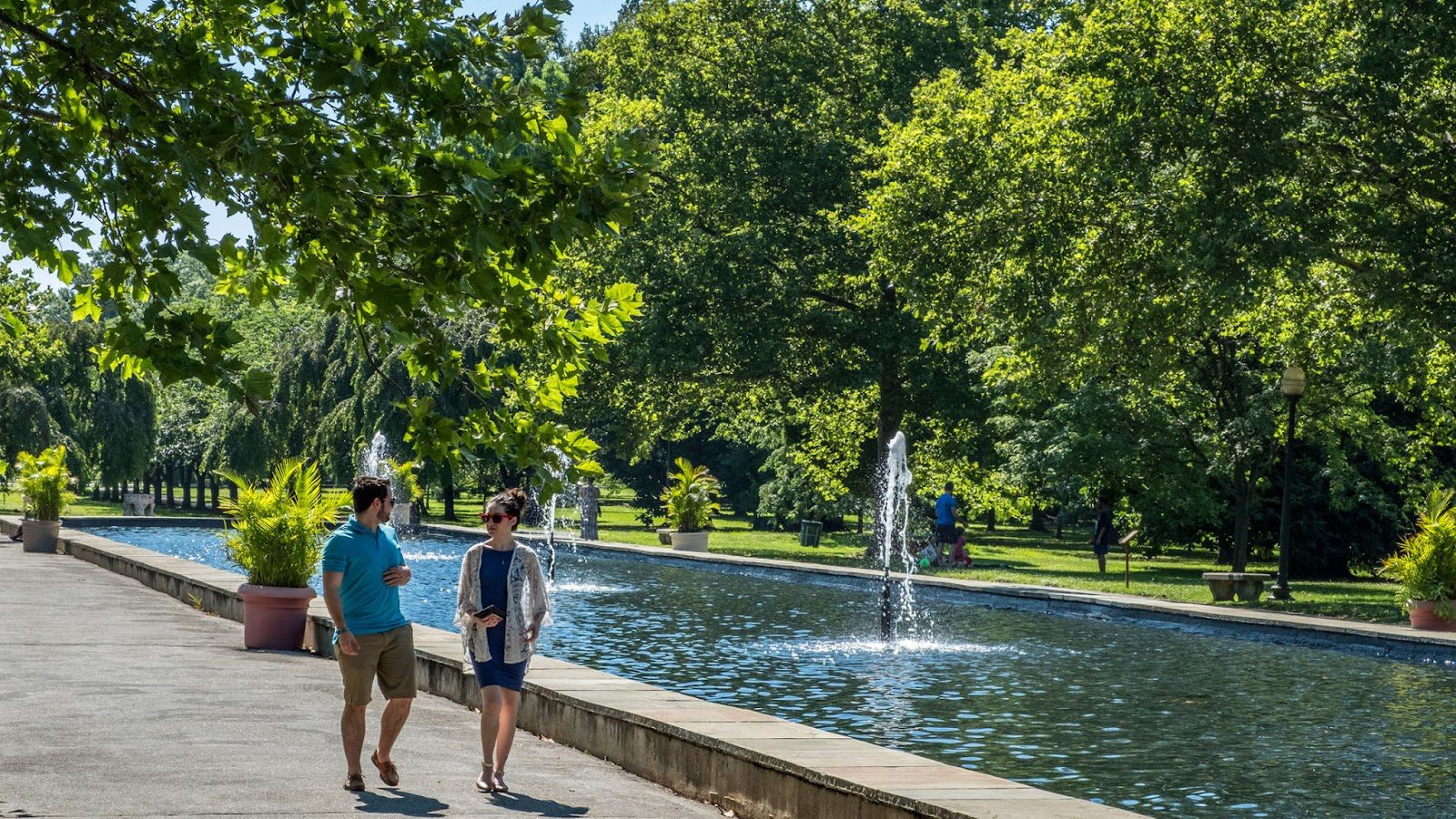
By the time the park was established, the Schuylkill area was well-known for its rural estates and elegant villas that lined the banks of the river to the west of the city, which was only beginning its development journey. In 1812, the Philadelphia City Council Water Department decided to acquire Fairmount Hill. This choice was made to build new water supply stations.
The full development of Fairmount began in the 1820s. Gardens were built around the water supply system, and paths were set out for easy access. In 1844, the park was expanded. This occurred after the city acquired Lemon Hill Mansion. The area was rapidly expanding and developing. So, in 1858, the authorities hired James Sidney and Andrew Adams to redesign the surrounding estates so that they matched the park’s appearance. Several roads were built to improve the surrounding territory, and more greenery was planted. However, the project was not completed as it was halted in the mid-1860s. This was owing to the defenders of the recreation area who successfully obtained permission from the state to develop a much larger park located on both sides of the river.
Funding for the park
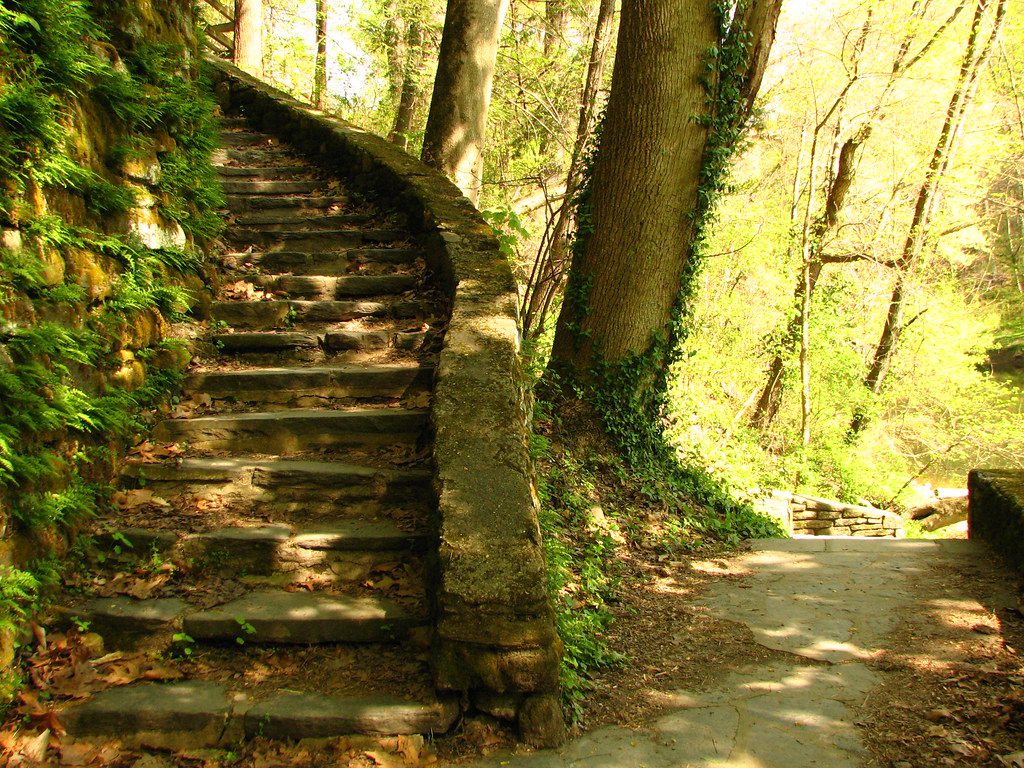
The 1860s marked the establishment of the Fairmount Park Commission. It was given the authority to take over the land along the Schuykill and Wissahickon rivers for recreational purposes and to protect the city’s water supply. The commission members decided to consult with landscape architects Frederick Law Olmsted and Calvert Vaux about options for changing the park’s appearance. However, the members opted not to make major adjustments. All of this was done exclusively to preserve the “picturesque outlines” of historical river estates that have been around for over a decade. Any change, regardless of its scale, requires financial support, so the commission relied on city funding. Funds were allotted, however, residents made an effort to prevent their use for a comprehensive makeover of the area.
Then there was the Centennial Exhibition, which took place in 1876. The quick acquisition of the real estate made it possible for Philadelphia to host it on its territory. The venue was a 400-acre exposition area in West Park. Funding from the city, state and federal governments, as well as private sources, allowed the commission to open new roads and build drainage systems in the park. The funds also enabled Fairmount to construct two cultural sites on its premises.
By 1900, the park area, which included the Schuylkill and Wissahickon rivers, spanned around 3 thousand acres. Everyone in Philadelphia was proud that the city had created the country’s largest recreation space, which is why others were striving to reach its size. However, this amount of territory was merely a part of the final result. During the 20th century, Wissahickon, East and West Parks were expanded even further. The area grew until it reached approximately 4,500 acres. The acquisition of this size of land resulted in a variety of landscape spaces, including various gardens and forests, as well as broad green lawns. Also, due to the lack of a comprehensive landscape development plan the park got its unique features. For example, the park was allowed to keep the railways and main streets that were located on the land before its acquisition. Later, to increase accessibility and convenience, additional park trails and tram lines were built.
Fairmount Park was created not only to protect the public water supply but also to create recreation areas in the urban landscape of Philadelphia. However, this made little difference as the Schuylkill and Wissahickon rivers have served as popular holiday destinations since the 18th century. Many homeowners permitted residents to visit their lands without any limits. For example, at the beginning of the 19th century, Henry Pratt welcomed visitors in his large and incredibly blooming gardens at Lemon Hill.
Different kinds of recreation in the park
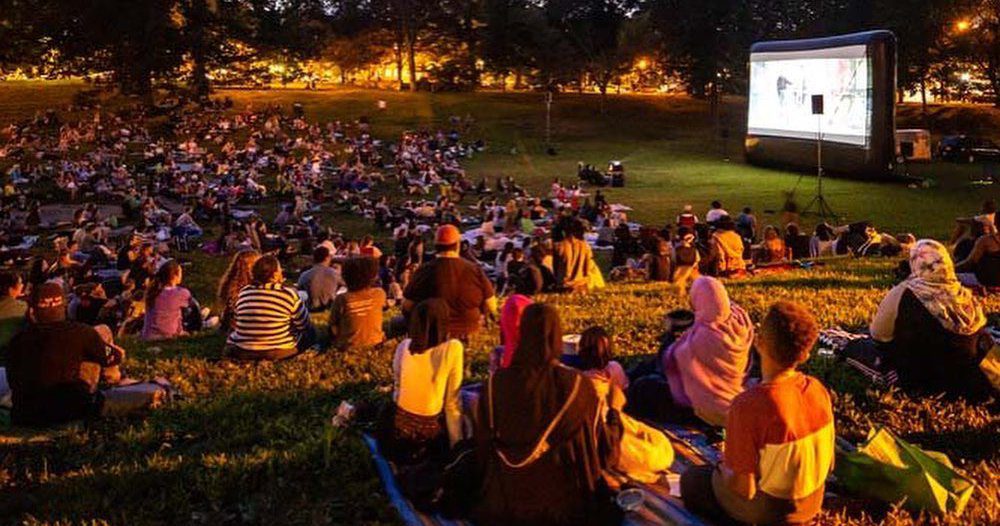
The park was created with the goal of providing entertainment and recreation. As a result, since 1867, Fairmount organized sports competitions among other forms of recreation. Such entertainment attracted an incredible number of viewers. The most impressive sight was a rowing competition on the Schuylkill River. However, baseball eventually took over as the most popular recreational sport.
In the 1880s, cycling, which was previously an uncommon sport, was added to the list of popular entertainment. But there was also an activity that has remained prevalent for decades: equestrian sports. The park commission started to realize that more people were becoming interested in outdoor activities, which meant that more recreation areas needed to be added to the landscape. As a result, the area now includes baseball fields, basketball and tennis courts, as well as entertainment venues.
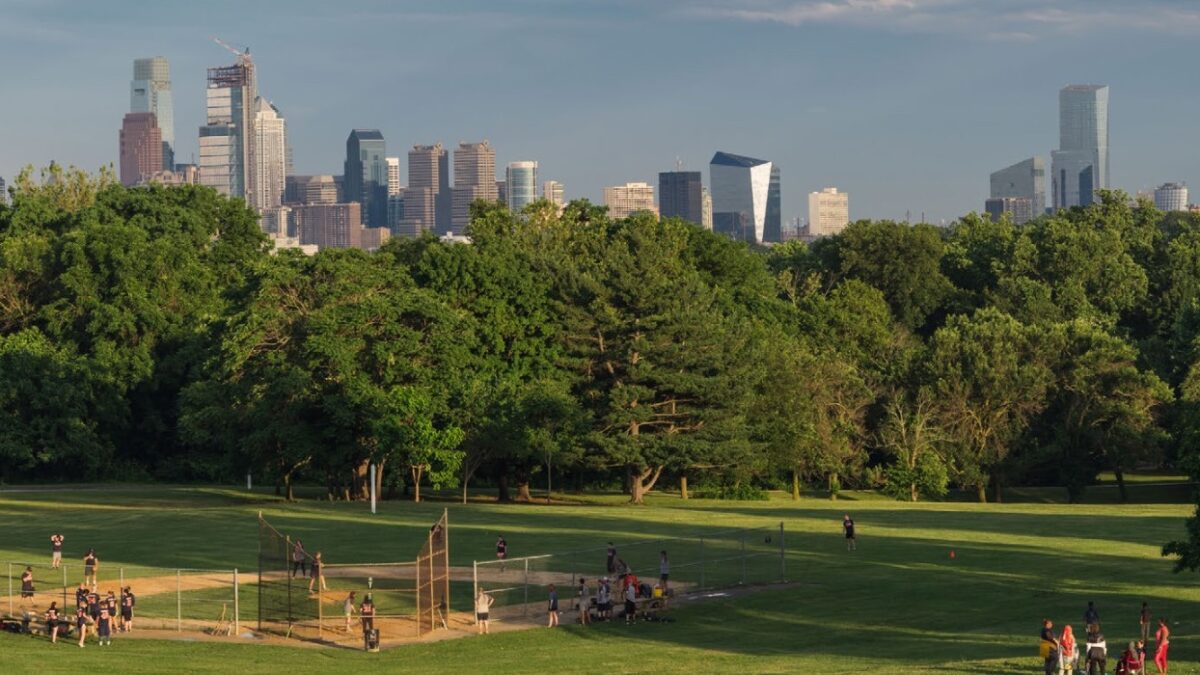
In modern times, every tourist here can find a place to unwind from the hectic weekdays since there are around 4 thousand acres stretching along the 14-mile-long water streams. Everyone will enjoy walking through the well-kept and beautiful park area. People in the twenty-first century will most likely never know that there were previously industrial enterprises on the territory that developed increasingly and posed a threat since they polluted the city’s water supply. The park might not exist if it wasn’t for the citizens concerned about the issue of protecting the environment, as they were the driving force behind Fairmount Park’s establishment. In East Park, which is the oldest part of the area, you can see the Fairmount Water Works.
Philadelphia is full of amazing places that catch the eye. Some, such as Fairmount Park, continue to retain their historical significance. It was designed for preservation and recreation, which it accomplishes exceptionally well, as proven by the large number of visitors who come to the area daily to be filled with the energy of nature.