

The mid-twentieth-century industrial boom propelled American cities to the absolute pinnacle of economic power. Yet, this rapid ascent carried a staggering price tag. For decades, the industrial corridors of the East Coast existed under dense plumes of factory smoke, which society at the time accepted as an inevitable sign of progress and a guarantee of steady jobs. However, the line between industrial triumph and a living nightmare proved dangerously thin. Under specific weather conditions, ordinary city air could instantly transform into a lethal trap. In the spring of 1946, Pennsylvania found itself at the epicenter of just such a catastrophe. The resulting Philadelphia Smog—heavy, choking, and unprecedented in its consequences—forced the nation to fundamentally re-evaluate its definition of public safety. This dark chapter changed the rules of engagement forever, sparking a long and bitter war for the basic right to breathe without risking one’s life.
From this article on philadelphia.name, you will learn:
- About the meteorological forces behind the suffocating fog and the unique temperature inversion during Black Easter of 1946;
- How aggressive chemical compounds like sulfur dioxide and hydrogen sulfide ravaged public health and corroded naval vessels;
- The groundbreaking courtroom strategy, which first cross-referenced patient medical records with industrial emission schedules;
- How a historic class-action lawsuit against metallurgical giants shattered the system of corporate lobbying and legal immunity;
- The creation of the Delaware River Basin Commission (DRBC) and the elimination of bureaucratic borders between neighboring states;
- How strict interstate regulatory measures and the forced modernization of power plants laid the groundwork for the nationwide Clean Water Act.
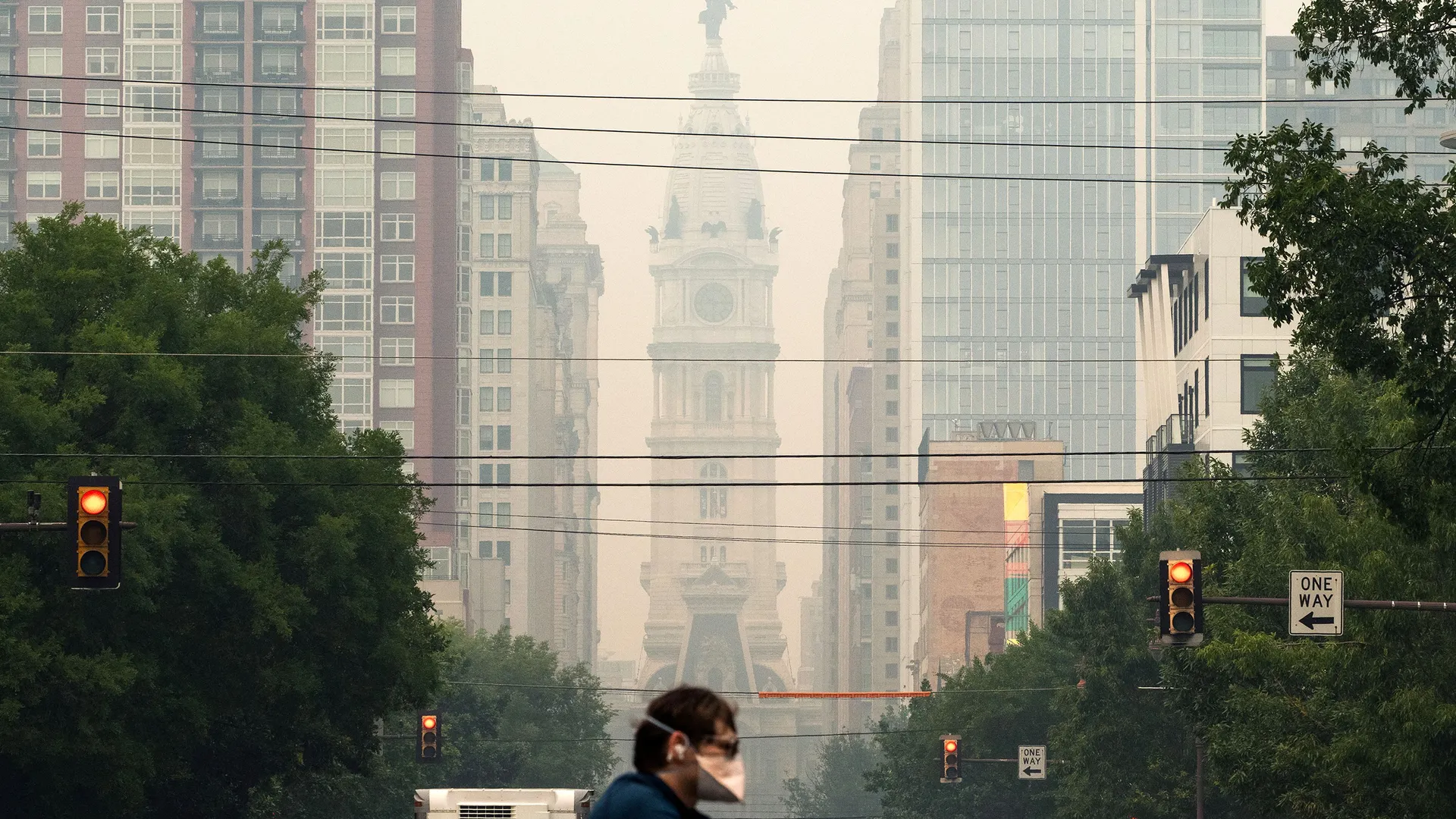
Black Easter of 1946: When Philadelphia Suffocated in Its Smoke
In the spring of the first postwar year, residents of Pennsylvania faced an enemy that could not be tracked on any military map. The tragedy unfolded during the Easter holidays when a severe temperature inversion trapped hundreds of tons of industrial emissions directly over the metropolis. This meteorological phenomenon occurs when a layer of warm air pins cold air masses to the ground. Instead of a festive holiday atmosphere, a choking gray shroud blanketed the Quaker City. Coke chemical giants, oil refineries, and countless coal-fired boilers continuously pumped sulfur dioxide and carbon monoxide into the atmosphere. Within days, roadway visibility dropped to near zero, and local hospitals were completely overwhelmed by patients suffering from acute respiratory distress. This crisis made one thing transitionally clear: unchecked industrial expansion posed a mortal threat to human life.
A Chemical Cocktail Over the River: What Was Poisoning the Citizens’ Lungs
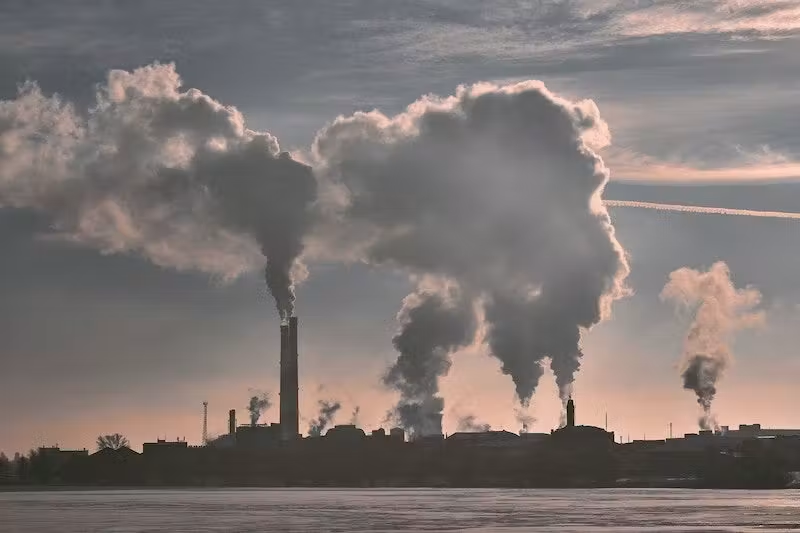
The sheer scale of this environmental disaster was driven by the dense concentration of heavy industries, metallurgical mills, and oil refineries lining the entire river basin. For years, effective environmental monitoring in these industrial zones was virtually nonexistent. This allowed corporate executives to release tons of hazardous chemical compounds into the skies with zero accountability. The choking yellow fog that sat heavily over residential neighborhoods for weeks was fueled by a highly specific, deadly mix of pollutants.
The continuous inhalation of this airborne cocktail caused irreparable damage to the health of the local population, triggering widespread chronic respiratory conditions. Each of these chemical compounds had its own distinct destructive impact on the human body.
The chemical aggression of these industrial emissions was fueled by the following components:
- Sulfur Dioxide. This suffocating gas was produced in massive quantities by factories and power plants burning low-grade, high-sulfur coal, causing instant, severe bronchial spasms and acute coughing fits in exposed residents.
- Fine Particulate Matter. Fine coal soot, metal dust, and fly ash from smelting furnaces completely clogged respiratory tracts, penetrating deep into alveoli to block blood oxygenation.
- Hydrogen Sulfide. This toxic gas continuously rose from the decaying industrial and fecal effluent within the river channel itself, infusing the urban smog with a rotten odor and causing chronic headaches and nausea.
- Nitrogen Oxides. These aggressive gases reacted under direct summer sunlight to trigger photochemical reactions, actively forming ground-level ozone smog.
- Heavy Metal Aerosols. Microscopic droplets and dust containing lead, cadmium, and arsenic, emitted from smelting shops, accumulated in the human body to cause severe systemic poisoning.
The synergistic effect of these airborne toxins created an environment where a simple walk down the street carried a genuine risk to life. Children, the elderly, and the laborers working the industrial sites took the brunt of this chemical onslaught. Halting this slow poisoning of the airshed was achieved only after the state mandated strict gas filtration standards and forced factories across the region to modernize their fuel systems.
The Courtroom Precedent: First Systematic Strike Against Factory Owners
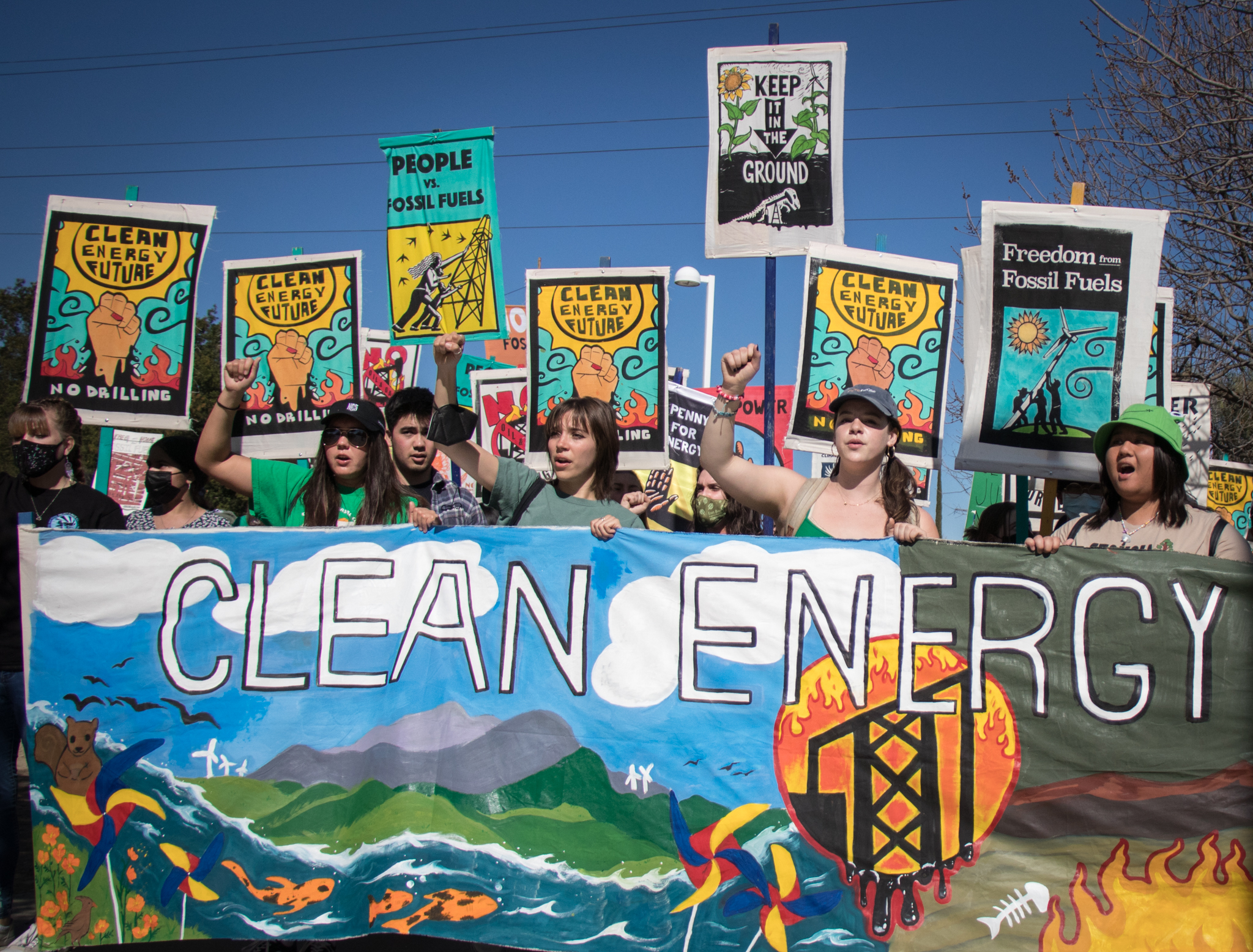
When state officials and corporate executives callously tried to write off the massive environmental tragedy as a mere weather anomaly, local activists took matters into their hands. A renowned local attorney and consumer advocate launched an unprecedented class-action lawsuit on behalf of hundreds of affected families against the region’s three largest metallurgical plants. This single move permanently reshaped American jurisprudence and ushered in an era of genuine corporate accountability.
An Innovative Legal Strategy to Combat Industrial Lobbying
The primary hurdle in the litigation was that large corporations had historically escaped liability by claiming it was impossible to link a specific smokestack to an individual’s illness. Von Haus shattered this defense by weaponizing a rigorous, data-driven scientific methodology.
Her defense of the poisoned citizens relied on pioneering evidence:
- Medical Record Epidemiology. Von Haus became the first lawyer in history to introduce official hospital admissions charts as direct, undeniable proof of mass environmental poisoning.
- Emission Timeline Synchronization. She mapped out a detailed, hour-by-hour chart that clearly demonstrated a direct correlation between peak smelting operations and sudden spikes in emergency room admissions.
- Causality Verification. By bringing in independent pulmonologists and pathologists, she proved that the spike in cardiopulmonary mortality during those specific days was directly caused by the industrial smog.
- The Unified Front. By organizing scattered individual complaints into a single, massive class-action suit, she prevented corporate lawyers from dragging out the litigation or quietly buying off individual plaintiffs.
A Turning Point for Environmental Law
This exhausting legal battle dragged on for years, meeting fierce resistance, intimidation tactics, and bribery attempts from the industrial giants. However, the ironclad logic of the prosecution and overwhelming press coverage forced the judges to hand down a landmark ruling. The executive branch was left with no choice but to officially recognize corporate liability.
For the first time, corporate negligence and the pursuit of excess profits at the expense of public health faced real legal penalties, and the right to clean air was recognized as a fundamental constitutional right. The case of the Philadelphia Smog laid a rock-solid legal foundation for future state regulatory watchdog agencies, proving that even the wealthiest industrial barons are powerless against the iron will of an organized community and professional justice.
Creating the Regional Commission: The Birth of an Innovative Control System
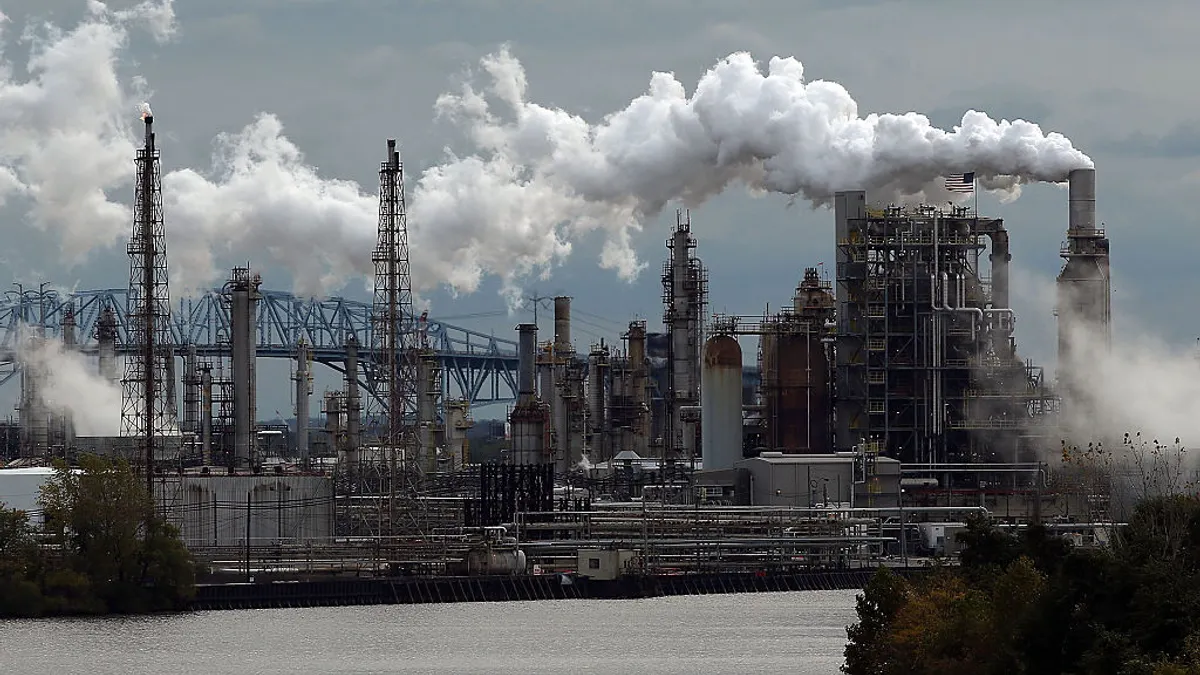
Realizing the total ineffectiveness of isolated administrative fines—which large corporations simply treated as a routine cost of doing business—the leadership of Pennsylvania, alongside neighboring New Jersey and Delaware, made a radical and visionary move. In 1961, the leaders of these states signed a historic interstate compact creating the Delaware River Basin Commission (DRBC), a unique supramunicipal regulatory body armed with sweeping executive powers. This new institution was granted the legal authority to actively intervene in and dictate the urban planning and industrial policies of the region’s major cities.
The creation of the commission marked the first time in American history that authorities broke through state bureaucratic lines to manage air and watersheds as a single, interconnected ecosystem. The new agency immediately shifted to decisive action, dismantling decades of bad industrial habits.
The DRBC began its oversight with several uncompromising regulatory steps:
- Enforcing Strict Fuel Limits. The agency introduced the first hard caps on purchasing and burning low-grade, high-sulfur coal in both the residential and commercial sectors.
- Forced Power Grid Modernization. It designed and executed a phased transition blueprint, forcing massive thermal power plants to switch from dirty solid fuels to significantly cleaner natural gas.
- Blocking High-Risk Projects. The commission secured absolute veto power over the construction of any new industrial sites or transit infrastructure that threatened to degrade the regional environment.
- Coordinating Tri-State Resources. It built a unified emergency response network and established a single set of environmental standards binding for every business along the river basin.
A New Paradigm of State Regulation
This move stood as the first successful model of cross-border environmental management in American practice, proving its immense value over the long term. Pulling together the legal and financial resources of three neighboring states effectively wrested the initiative away from the industrial lobby, which had previously manipulated localized county regulations.
Thanks to the regional commission, Philadelphia and adjacent industrial centers gained a powerful mechanism to systematically clean their airshed and restore their water systems. The DRBC set a massive precedent that later served as the structural blueprint for the United States’ nationwide environmental policy, demonstrating that true conservation requires thinking far beyond traditional administrative borders.
From Local Resistance to the Clean Water Act
The lessons of Black Easter and the subsequent, protracted battles fought by the Delaware communities became the catalyst for a nationwide legal overhaul. Investigative files from the Philadelphia environmental clashes were meticulously studied at the federal level. When the landmark Clean Water Act was passed in 1972, followed by the updated Clean Air Act, the federal government lifted its core legal mechanisms for controlling regional pollution directly from the proven playbook of the DRBC. The localized resistance of Pennsylvanians proved that environmental law must be anchored in unyielding scientific baselines rather than compromises with big business.
Today, the Delaware River basin bears no resemblance to the smoky wasteland of the mid-twentieth century. Former industrial waterfronts have been transformed into vibrant recreational parks, and hazardous atmospheric gases have plummeted to historic lows. Yet, modern experts warn against complacency, as today’s environmental challenges are far more insidious. The era of thick fuel-oil smog has been replaced by invisible greenhouse gases and microplastics. The history of the Great Smog teaches modern urban planners an essential rule: a metropolis’s environmental safety is never a static achievement but an ongoing process of strict enforcement, constant innovation, and active civic oversight.
Sources:
- https://www.phillymag.com/2012/04/25/tenth-polluted-city/
- https://www.inquirer.com/news/philadelphia/inq2/philadelphia-air-quality-record-pollution-aqi-20230609.html
- https://www.axios.com/local/philadelphia/2025/05/05/air-quality-pollution-smog-philly-region
- https://www.esgdive.com/news/pennsylvania-judge-dismisses-bucks-county-climate-lawsuit-against-oil-majors/748617
