

The Academy of Natural Sciences of Drexel University is the oldest natural science museum and research institution in the United States. Founded in 1812, its collection has grown to more than 17 million specimens today. Spanning four floors, the museum features a towering T-Rex skeleton, over 30 other dinosaur species, and dozens of live butterflies fluttering in a simulated rainforest. Visitors can also explore dioramas showcasing a diverse range of animals and many other fascinating exhibits. Keep reading to find out why you should visit this incredible Philadelphia institution. Learn more at philadelphia.name.
History and Establishment
In the early 19th century, Philadelphia was the commercial and cultural heart of the U.S. It was home to the American Philosophical Society and the Library Company, and many naturalists lived and worked here. It was this community of like-minded individuals who decided to establish the Academy of Natural Sciences in 1812.
The new institution aimed to bring together naturalists, foster collaboration with European colleagues, and promote the development of natural sciences in the United States. The Academy was officially incorporated in 1817 with just eight members. Its ranks grew steadily, eventually attracting renowned scientists like Alexander von Humboldt and Charles Darwin.
Over the years, the Academy amassed an incredibly rich collection of more than 17 million specimens and a vast library. Researchers here focus on biological systematics and the evolutionary relationships between species. The institution has sponsored numerous expeditions to study American wildlife and, since the 20th century, has funded research in Africa, Asia, and the Arctic.
In 2011, the Academy of Natural Sciences officially became a part of Drexel University.
Popular Exhibits and Museum Activities
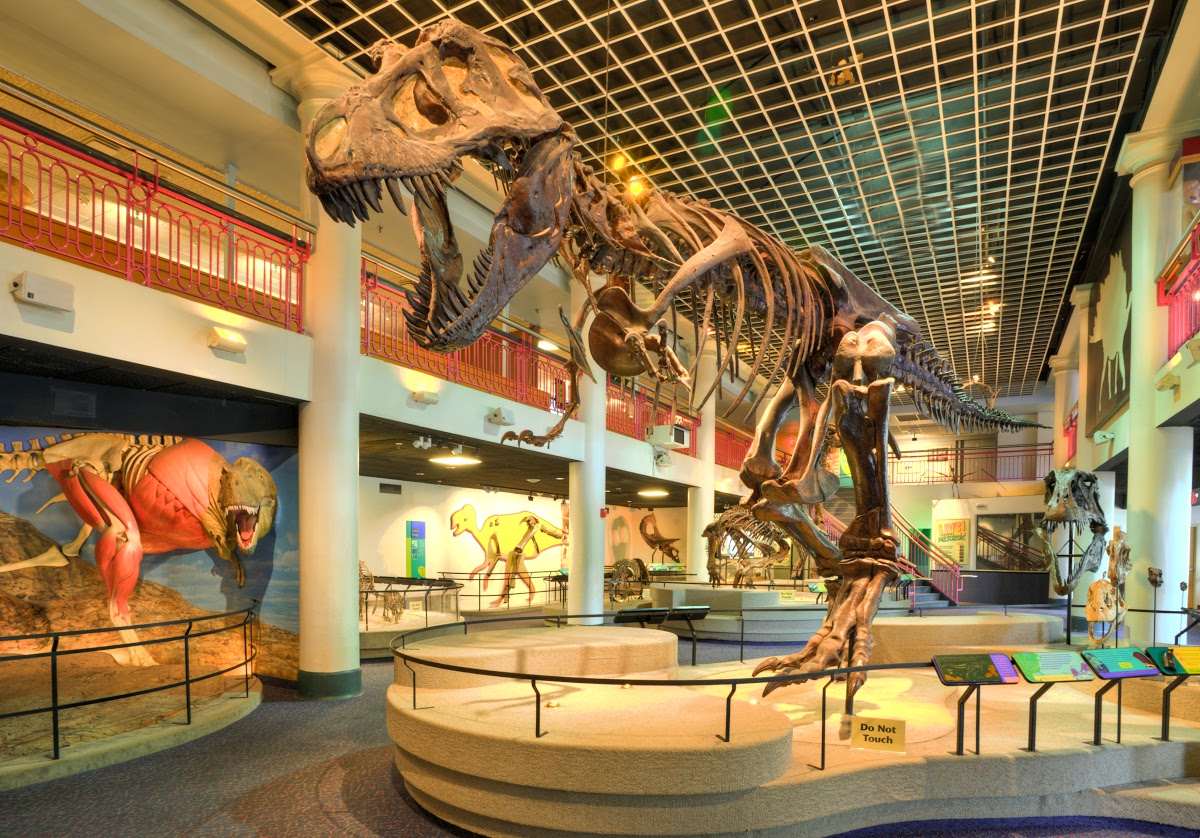
While the Academy started as a research institution, it began operating as a museum in 1828. Its popularity soared in 1868 when it unveiled the world’s first mounted dinosaur skeleton. The influx of visitors was so great that the Academy had to move, settling into its current location at 1900 Benjamin Franklin Parkway in 1876.
Dinosaur exhibits have remained a major highlight and a signature feature of the museum. The first skeleton, a Hadrosaurus, was mounted by naturalist and artist Benjamin Hawkins and later displayed at many other institutions. In 2008 and 2009, the Academy hosted an exhibition dedicated to the history of the Hadrosaurus.
In the 20th century, the skeleton of a related species, the Corythosaurus, became a centerpiece of the “Earth History Hall.” A separate, large-scale dinosaur exhibition was organized in 1986, which featured incredibly lifelike displays that created the impression of living reptiles.
Besides dinosaurs, the museum houses specimens of nearly every living and extinct species, including many that are extremely rare.
Dioramas and Other Fascinating Exhibits
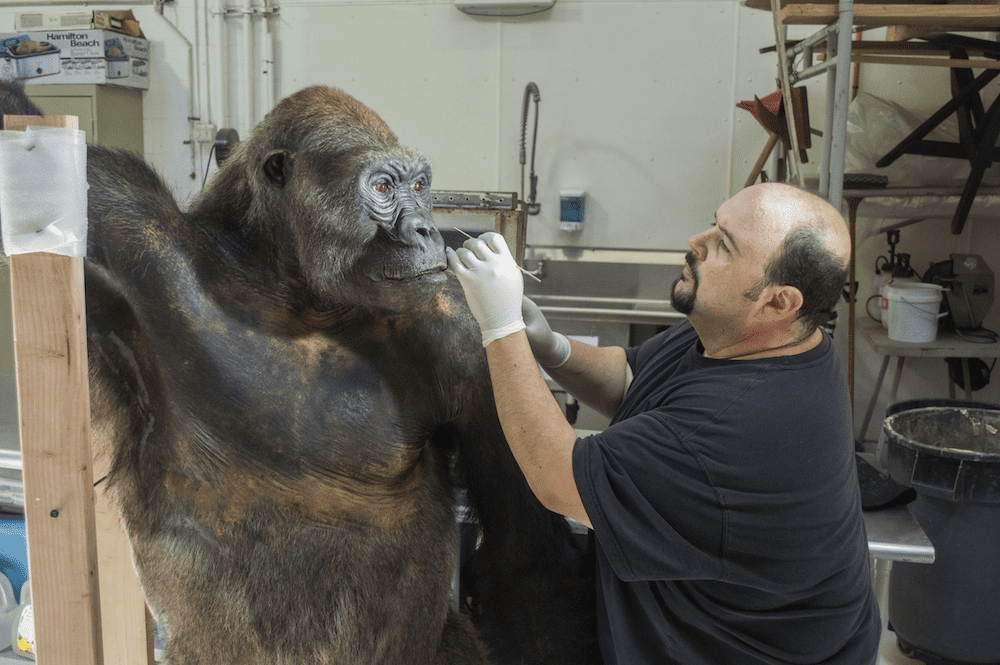
One of the Academy’s most iconic features is its collection of 37 detailed dioramas. These immersive displays offer a virtual glimpse into the natural world of distant places, showcasing rare species of animals and plants in their native habitats.
The first diorama, created by Harold T. Green in 1929, depicted Rocky Mountain goats. It was an expensive endeavor, and many scientists were initially skeptical. However, the public was captivated, and by 1935, the artists who created the dioramas began receiving significant funding, with support growing year after year.
Most of the dioramas on display today were created in the 1930s and 1940s. They feature animals from Africa, Asia, and North America. While some species, like zebras and lions, are common, others—like the desert bighorn sheep, pandas, and passenger pigeons—are endangered or extinct. This makes the dioramas incredibly valuable and historically significant.
In 2018, the Academy’s dioramas were all fully renovated and are now open for visitors to enjoy.
In addition to the dioramas, the Academy of Natural Sciences features other popular exhibits:
- The Outside-In children’s museum, which opened in 1979, allows young visitors to observe live animals, climb on a tree, and examine fossils under a microscope.
- A popular dinosaur excavation simulation was introduced in 1995.
- The “Diorama Secrets” exhibit reveals the fascinating process of how these stunning displays are created.
- The “Science at the Academy” exhibit gives a peek into the current research being conducted.
- The Butterfly Exhibit features species from the Americas, Africa, and Asia, which fly freely in a simulated rainforest. Visitors can observe all stages of their life cycle.
- Past special exhibitions have included “Tiny Titans: Dinosaur Eggs and Babies,” “Skin: Living Armor, Evolving Identity,” and “Extraordinary Depth: Mission to the Abyss.”
The Academy of Natural Sciences of Drexel University offers something for visitors of all ages. With truly unique exhibits and a collection so vast, it’s a place worth visiting again and again to explore the incredible and captivating world of nature.