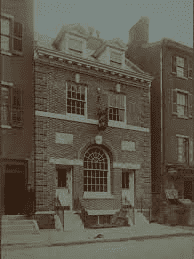
A long time ago, in The City of Brotherly Love, many citizens said goodbye to their lives right on the streets due to poor personal hygiene. Even the President of the United States died during the cholera epidemic, which was the last straw. Later, education and the creation of appropriate infrastructure for bathing began. Read more about the history of the first public swimming pools and where Philadelphians went to bathe in the city, at philadelphia.name.
How did it all start?
Personal body hygiene became widespread on the European continent in the second half of the eighteenth century, when people bathed in fresh water and mineral springs. They believed that it helped them think better and bring something new to the world. They also used to cover their bodies with cloth because the thinkers of that time thought that if water got into the body through the pores, it could drown a person from the inside.
European enlighteners noted the health benefits of bathing, thereby setting a precedent for cleanliness and spreading this practice to all continents where European colonists set foot, including the Americas.
Back then, the Indians had different traditions in their homeland. However, the cholera epidemic that claimed the life of the country’s leader in 1849 made society think. The authorities decided to act immediately to prevent the spread of the deadly disease. In 1895, 6 public baths were established in the first capital of the United States of America.
Despite the emergence of proper infrastructure, bathing culture was not built into the mentality of Philadelphians. It was only with the passage of time and the appearance of some of the first bathing facilities near Philadelphia, on the Atlantic coast, that the city’s citizens began to bathe. However, it was mostly the elite class and they were more attracted to luxury hotels and resort areas.
It also bore fruit, as a narrative was formed in society that bathing was a significant thing, which was also confirmed by the cost. At the same time, the poor had to bathe in local rivers and reservoirs, as they wanted to be like the rich.
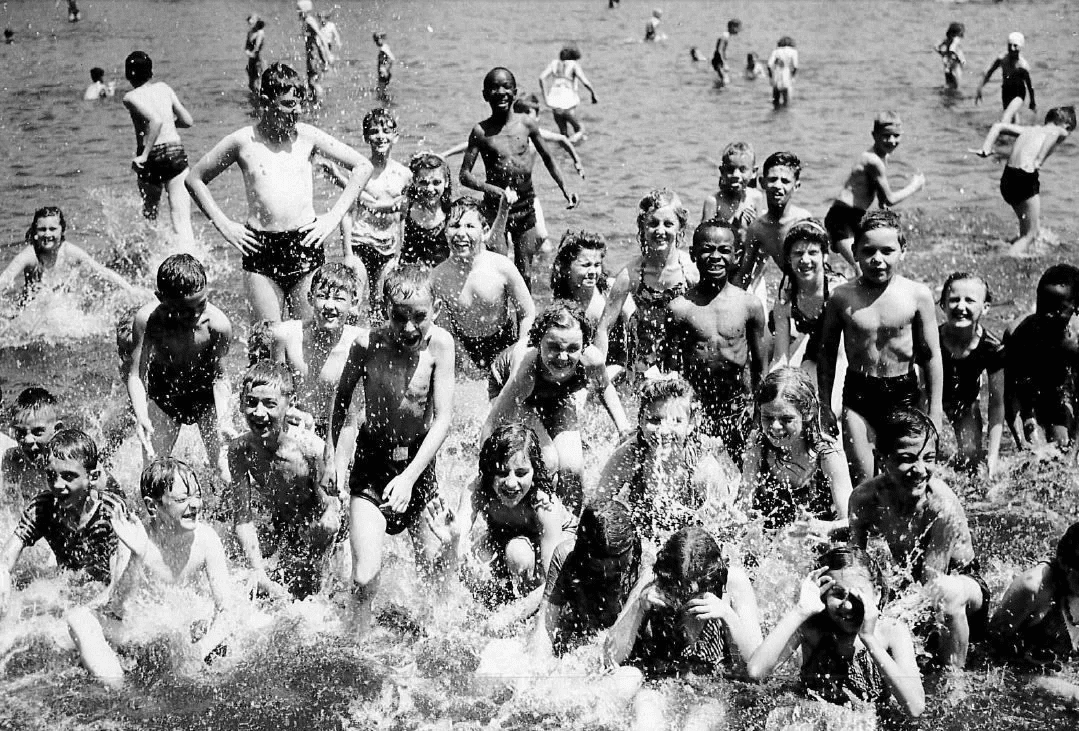
Public baths for the poor
In the 19th century, Philadelphia was home to many migrants who became part of the city’s poor population. The latter, unlike the rich, did not have the opportunity to shower at their homes daily. Homeless people wandered the streets of the city, where they suffered from various diseases with tragic results.
To prevent new epidemics in Philadelphia, which aren’t concerned with a person’s wealth and status, local officials ordered the establishment of public baths for the poor.
Floating bathtubs made their debut in the United States of America and immediately had their first visitors. Their main feature was that they actually floated in rivers and usually used natural water. The first floating baths in Philadelphia were built in the late 1860s on the Schuylkill River, south of the Fairmount Waterworks.
Later, due to water pollution from local industrial facilities, the floating baths had to be closed. In 1899, they were replaced by public swimming pools. Despite the proper infrastructure, city residents were reluctant to go there to wash their bodies, more often just to plunge into the cold water on a hot summer day. In addition, baths for the poor were open only from May to September.
At the end of the 18th century, American officials decided to deal with uncleanness. Many public swimming pools began to appear across the country, and in mid-April 1898, a bathhouse for the poorest segments of the population was opened on Gaskill Street in our city. There were 40 showers and 4 baths, two for women and two for men. It is worth noting that local entrepreneurs also helped the state with funding, for example, in Philadelphia. The beginning of the new millennium was marked by a socially accepted practice of washing every day and taking care of personal body hygiene.