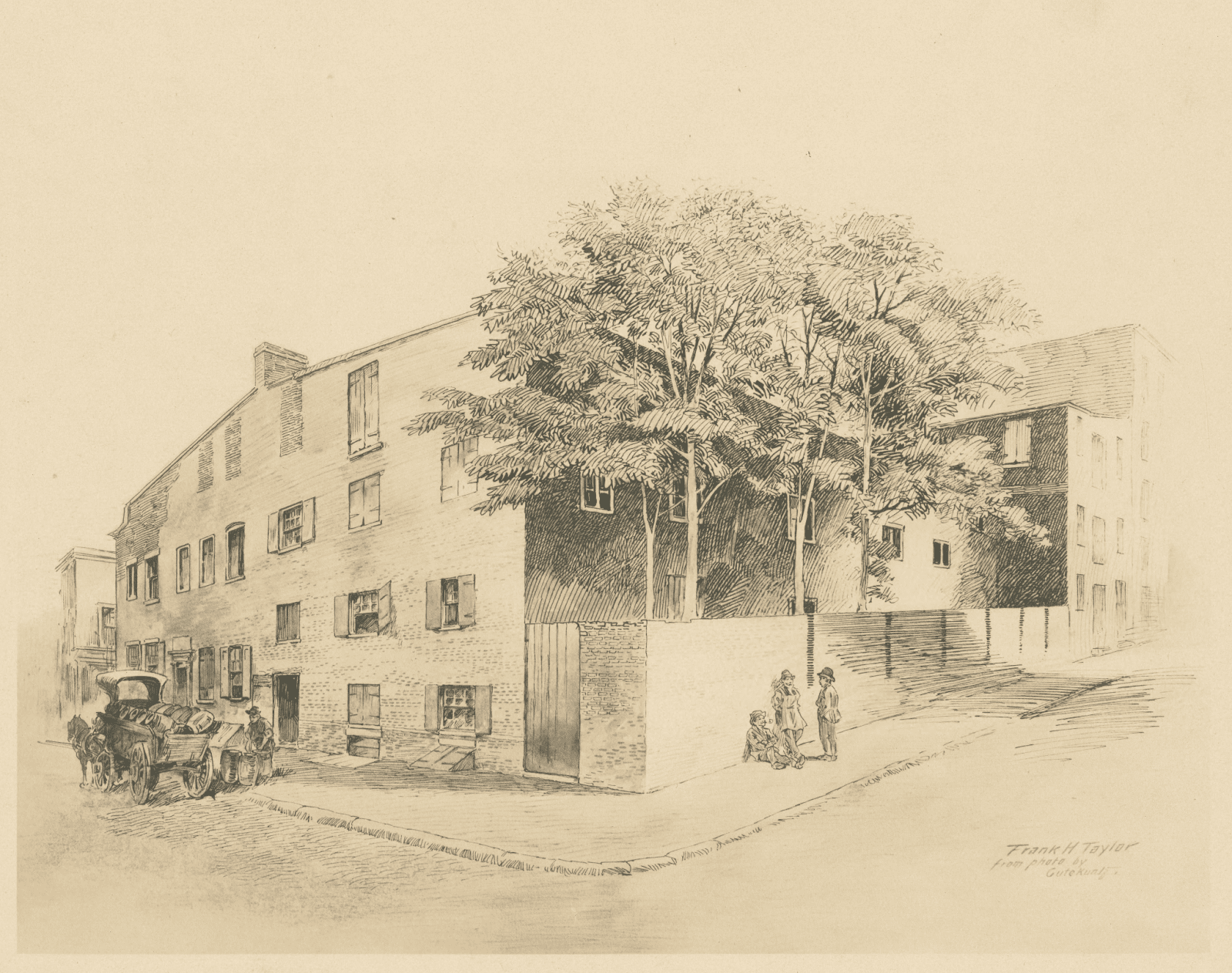
This family was one of the first to launch a beer establishment. They were the debut brewers in the City of Brotherly Love. The enterprise, where the drink was sold, became a family legacy and was passed down from one generation to another. Read more details on the history of the business of relatives, which originated at the end of the seventeenth century, on philadelphia.name.
The launch and development of a family business
The Francis Perot’s Sons Malting Company is considered one of the earliest breweries in Philadelphia. Some historical sources suggest that it started operating in 1687. Anthony Morris opened his debut business near the Delaware River.
The young businessman brought the enterprise to a fairly high level, despite the fact that no one had been involved in brewing and selling beer before and there were a lot of risks at the start. However, Morris succeeded and his family helped him. Anthony’s children spent almost their entire childhood in their parents’ bar, earning money for the family budget and expanding the business.
The Morrises’ eldest daughter later married Francis Perot, who would later inherit the brewery. Before that, the new family member gained experience for a long time, under the guidance of his father-in-law. Then, together with Elizabeth Morris and their son, they managed the renewed family business.
In the second half of the eighteenth century, Edward Ogden, who married the daughter of Francis Perot, joined the brewery. Thus, it became a tradition among the Morrises (already Perot), when the father-in-law passed along the experience to the son-in-law.
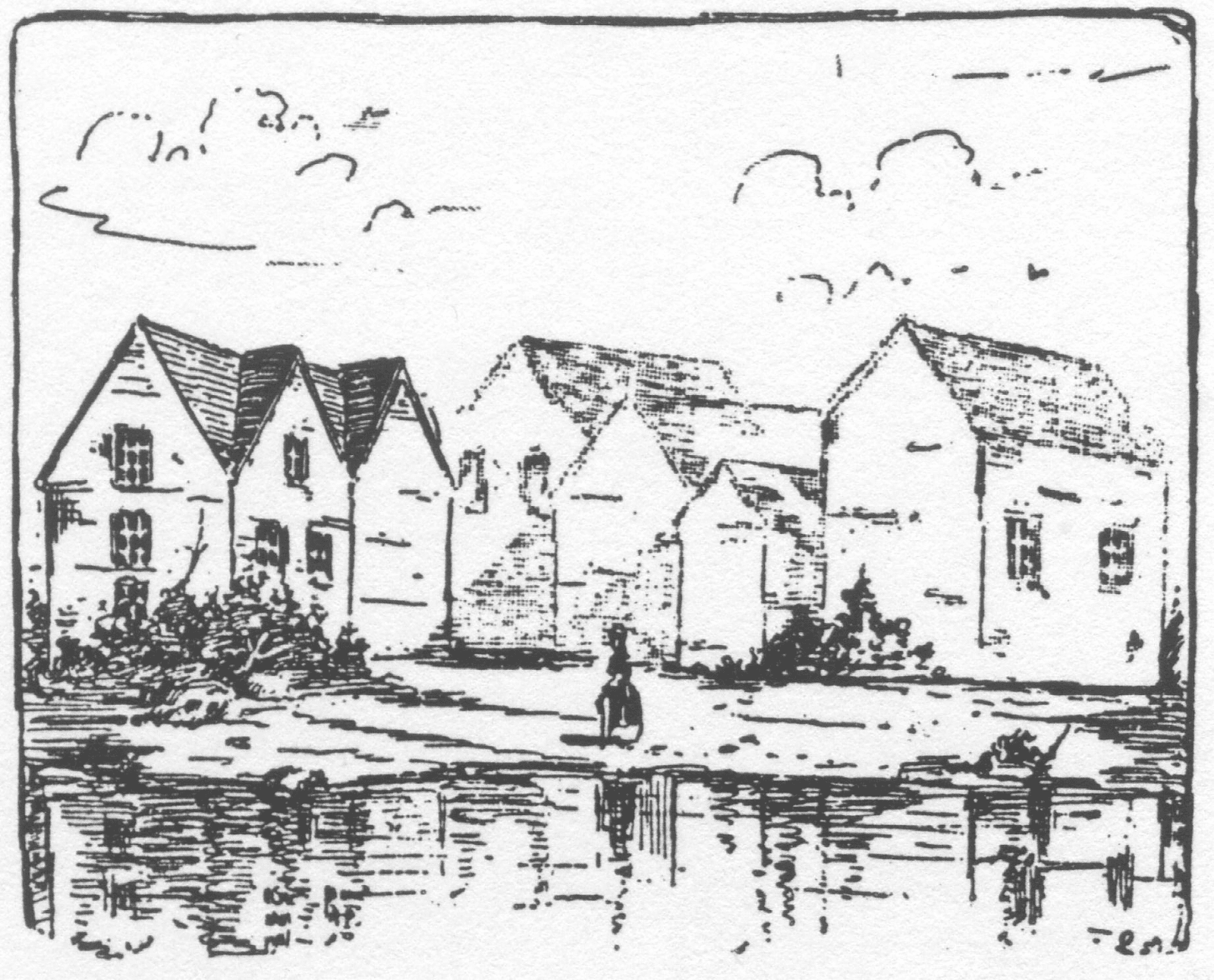
How did the family business fall apart?
In 1850, the Francis Perot’s Sons Malting Company decided to invest more money in the first stages of brewing, namely in the preparation of barley seeds for malting. The latest innovation brought a lot of money to the family business of the Perot family. In those days, they were at the top of the brewing business in the United States of America.
By the time of the First World War, the brewery was completely managed by the new owners. It was the younger generation of the Perot (formerly Morris) family. The latter are remembered for powerfully scaling the once ordinary beer bar of their great-grandfather. Branches of the company were founded in other American states.
The business of Philadelphians received a hard blow by a dry law that was introduced by American officials as a result of the outbreak of the war. However, the brewers in the third generation managed to keep the enterprise working for a while. Later, they had to sell it to the Canadian magnate Edward Taylor, who would later become the head of a large brewing industry in Ontario.
The grandchildren of Perot senior bought shares in a company that was engaged in the extraction of minerals in Santo Domingo, which was located in Mexico. There, future shareholders were promised high profits. However, as a result of the Mexican revolution, marauders looted a silver mine in Santo Domingo and the investment did not pay off.
Morris-Perot Jr. decided to invest the last money and purchased nearby mines. A productive mining company, Batopilas, was supposed to help boost profits and offset the aforementioned losses. Other shareholders supported the enthusiasts in whose veins the blood of Anthony Morris flowed. Despite this, the profits from the new mines continued to be minimal.
After the revolution ended, the American-Mexican Economic Commission reviewed the claims of businessmen and covered the large-scale losses their companies suffered.
In 1945, one of the shareholders of the enterprise and a descendant of Anthony Morris died. After some time, his son inherited his father’s funds and joined the liquidation of the assets of an unprofitable silver mining company in Mexico.