

Benjamin Franklin (1706–1790) is much more than just a face on the hundred-dollar bill. In Philadelphia, the city where he spent most of his life, he is a living symbol of innovation and civic engagement. Franklin not only played a key role in founding the United States but also transformed what was then considered the Old World into a model of a progressive and comfortable urban space through his inventions and community initiatives. He was a unique blend of scientist, publisher, and politician who deliberately refused to patent his creations, wanting them to serve the public. You can read more about the Founding Father’s inventions at philadelphia.name.
Dispelling the Myth of Franklin’s Presidency
Despite Benjamin Franklin’s portrait gracing the world’s most popular banknote—the US $100 bill—he was never the President of the United States. This is one of the most common, yet incorrect, global historical misconceptions.
Franklin is undoubtedly a pivotal figure in American history, but his accomplishments lie not in the Oval Office, but in the spheres of diplomacy, science, and statecraft.
Founding Father Benjamin Franklin is one of the most crucial architects of democratic America.
The Man of Three Documents
He is the only person to have signed all three foundational documents of American statehood:
- The Declaration of Independence.
- The Treaty of Paris, which concluded the War of Independence.
- The U.S. Constitution.
Science and Politics: He was a preeminent scientist, inventor, publisher, philosopher, and ultimately, a brilliant diplomat who secured crucial support during the war.
It is his undeniable contribution to the nation’s founding, not a presidential status, that cemented his place on the national currency and in history.
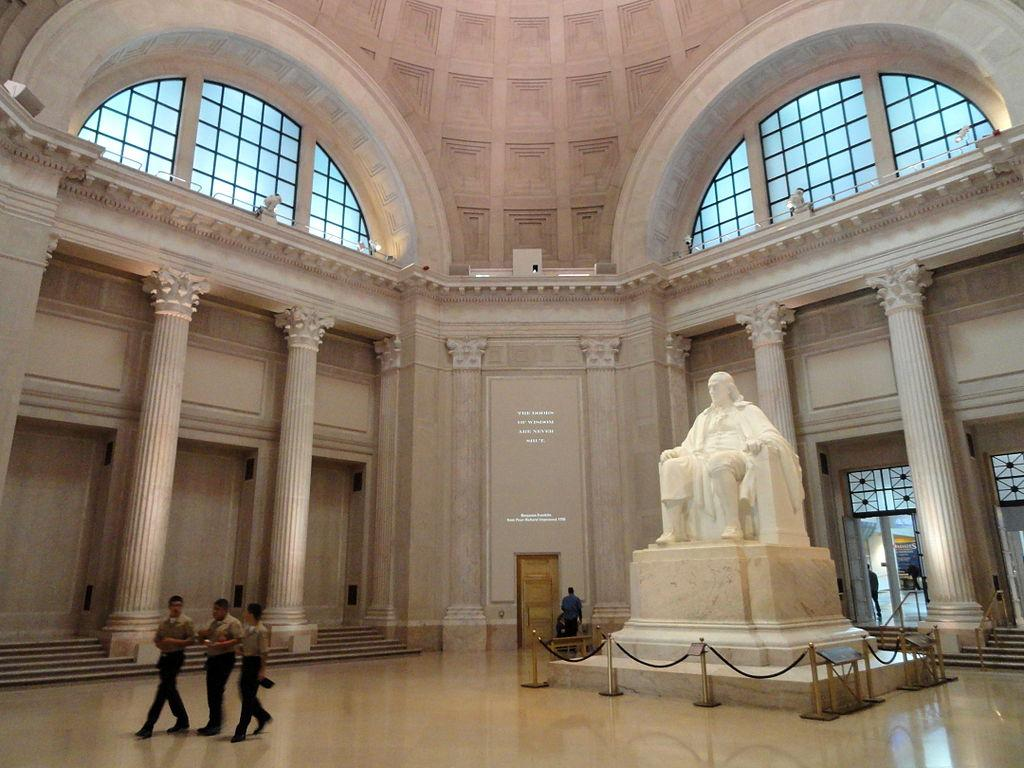
The Founding Father of Urban Order
Franklin’s activities were inseparable from the development of Philadelphia. His interests spanned from high-level physics to the practical needs of everyday citizens. He understood that the city’s prosperity depended on its residents’ level of education, safety, and comfort.
It was his initiative that led to the creation of the first public library in America in 1731—the Library Company of Philadelphia. This was a revolutionary decision: instead of knowledge being accessible only to the elite, he made it available to the public. He later became a co-founder of the Academy of Philadelphia, which ultimately evolved into the University of Pennsylvania.
Pioneer of a New Era
Benjamin Franklin’s role in American history extends far beyond politics. He was a true practical polymath and one of the most distinguished scientists of his time, combining intellectual curiosity with an applied engineering mindset.
Franklin can confidently be called a pioneer of the American Enlightenment. Unlike many theorists, his scientific interests were always aimed at improving people’s daily lives. He didn’t just ponder the laws of nature—he actively researched and applied them, turning discoveries into useful inventions.
His work covered a broad spectrum of knowledge: from revolutionary studies in electricity that changed the understanding of the phenomenon to in-depth research into meteorology and oceanography. He was a trailblazer in translating scientific ideas into practical and innovative solutions, laying the groundwork for future technological advancements. He believed that science must serve society, a principle vividly confirmed by his numerous inventions, which we’ll discuss next.
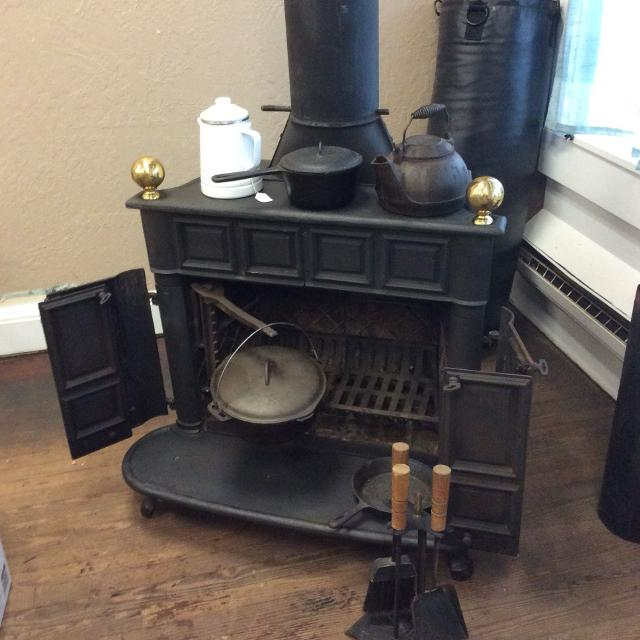
The “Pennsylvania Fireplace”
One of the polymath’s most significant and popular inventions is undoubtedly the economic stove (1742), famously known as the “Franklin stove” or the “Pennsylvania Fireplace.” In the 18th century, traditional fireplaces were inefficient, with most of the heat simply escaping through the chimney. The inventor created a cast-iron structure on legs that used a system of air and flue gas circulation. This resulted in:
- Fuel consumption being reduced by about two-thirds.
- Heat more effectively warming the room, not the walls.
This invention provided Philadelphians with cheaper heating and significantly improved the safety of homes. As always, he refused a patent, allowing anyone to copy the design.
Taming the Lightning
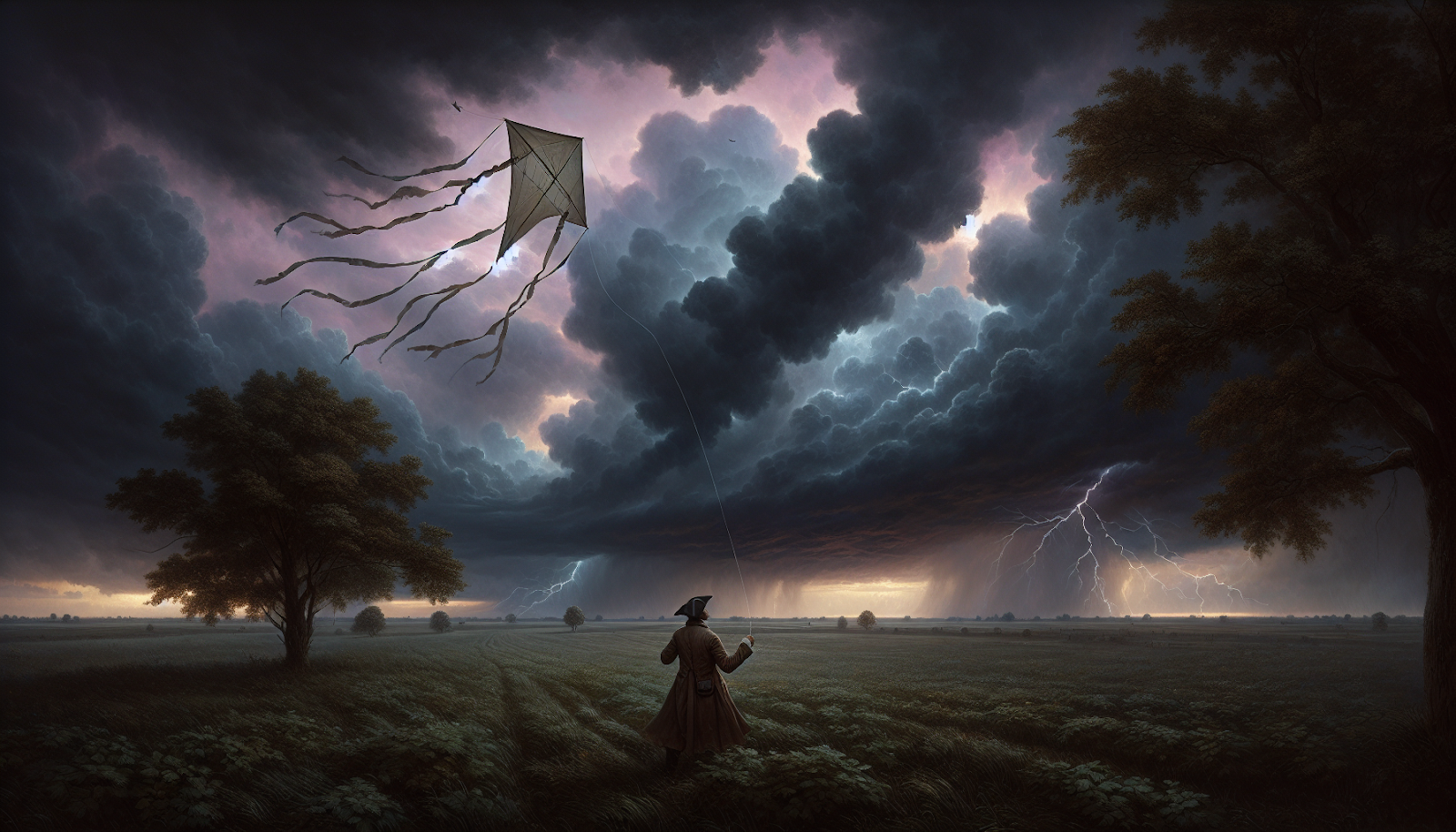
Franklin’s most famous experiments were dedicated to electricity. In 1752, through his celebrated kite-in-a-thunderstorm experiment, he proved the electrical nature of lightning. This scientific breakthrough quickly turned into a practical innovation.
The scientist developed the lightning rod—a pointed metal rod installed on the roof of a building and connected to the ground. This device provided an unprecedented level of protection for buildings against fires caused by atmospheric discharges. Soon after, the spires and houses of Philadelphia were adorned with these rods, saving the city from much destruction.
Convenience for the Wise
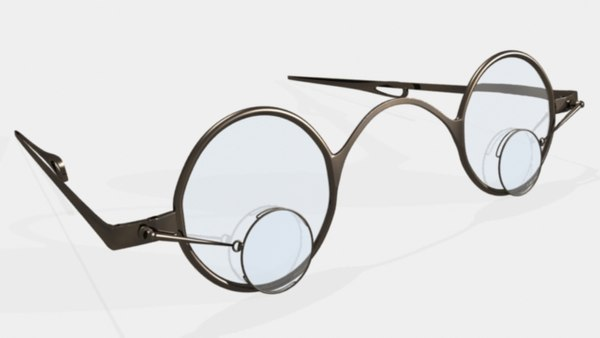
In his mature years, Franklin faced a personal problem: he constantly had to switch glasses—one pair for reading (close distance) and another for viewing the world (far distance). This inconvenience spurred him back into inventing.
Around 1784, he created bifocal glasses. The idea was brilliantly simple: divide the lens in half. The upper part was for distance vision, and the lower part was for reading. This provided the wise creator, and thousands of people after him, with the ability to see clearly at any distance without changing frames.
Currents and Distances
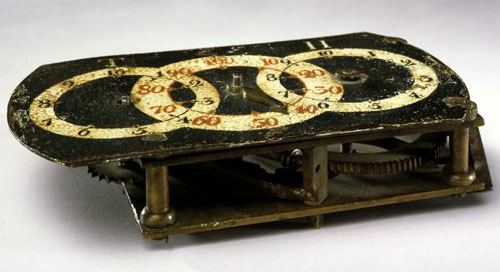
Franklin also made invaluable contributions to navigation and meteorology. While serving the government, he helped map the Gulf Stream. Before his efforts, English ships often took significantly longer to cross the Atlantic than American merchant vessels, which were aware of this powerful current. The scientist helped chart it, giving the current its name. Additionally, he was involved in measuring distances, co-developing an odometer for his postal carriages, which allowed for the optimization of mail routes.
Music and Physics
Not all of Benjamin Franklin’s innovations were purely utilitarian and aimed at practical gain. With a fascination for music and the physical properties of sound, he turned his attention to a phenomenon known since antiquity: generating sound by rubbing wet fingers along the rims of glass goblets. Franklin was captivated by the “heavenly” and pure tone produced by water-filled glasses, but performing music on them was highly inconvenient and required numerous vessels.
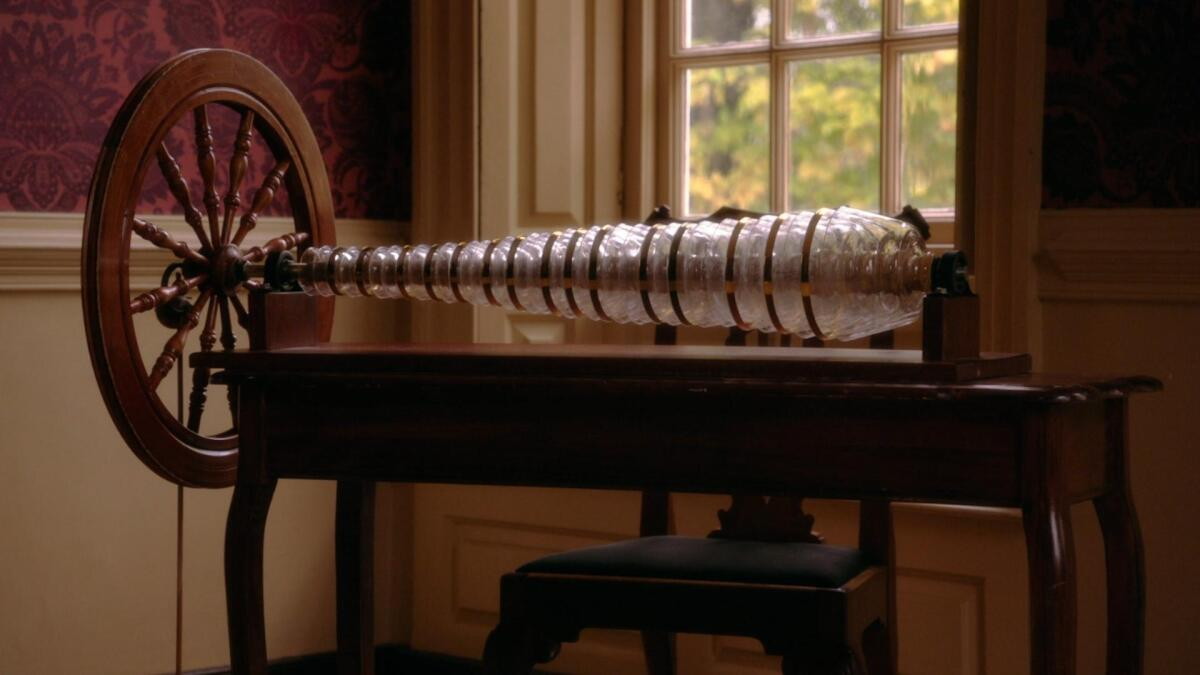
Therefore, he decided to perfect this principle by creating an entirely new musical instrument—the glass harmonica (or armonica).
The design of Franklin’s harmonica was ingeniously simple.
- He took a series of glass bowls of different sizes (for different notes).
- These bowls were threaded and secured onto a single horizontal axle.
- The axle was rotated using a foot pedal, similar to a sewing machine or spinning wheel.
The musician simply had to touch the edges of the rotating bowls with moistened fingers. This approach allowed the performer to play several notes simultaneously, unlike single goblets, and freed up the hands from needing to be constantly wetted.
The glass harmonica achieved incredible popularity in Europe in the second half of the 18th century. Its gentle, mysterious, and pure timbre caused a sensation, as the sound was unlike any other instrument of the time.
Such eminent composers as Wolfgang Amadeus Mozart (Adagio and Rondo, K. 617), Ludwig van Beethoven, Haydn, and Donizetti wrote music for the glass harmonica. Although the instrument later nearly vanished from use (due to the complexity of its manufacture and widespread rumors of its negative impact on mental health), it remains Franklin’s most famous invention in the field of art.
The Legacy of the Philadelphia Citizen
The brilliant experimenter’s philosophy was an amazing blend of intellect and altruism. He firmly believed that science and innovation were not ends in themselves but powerful tools for social improvement and serving humanity.
Franklin consciously did not seek personal wealth from his ideas. He resolutely refused to patent his numerous inventions, believing that the fruits of mental labor should belong to the entire community, improving everyone’s lives. The philanthropist was driven by the principle of public good and welfare, not profit.
That’s why his true legacy in Philadelphia is not just the majestic statues. It is, first and foremost, the living institutions he founded (the first fire departments, public libraries, the university) and the practical, still-relevant inventions that transformed everyday life for the better. Franklin left us not treasures, but a functional, progressive world.
