

Bartram’s Garden opened in Philadelphia in 1728. Botanist John Bartram founded the garden, which is North America’s oldest of its kind. The state-of-the-art botanical garden is a National Historic Landmark and spans 50 acres. We will tell you more about this natural treasure in Philadelphia and its history. Learn more at philadelphia.name.
What is Bartram’s Garden?
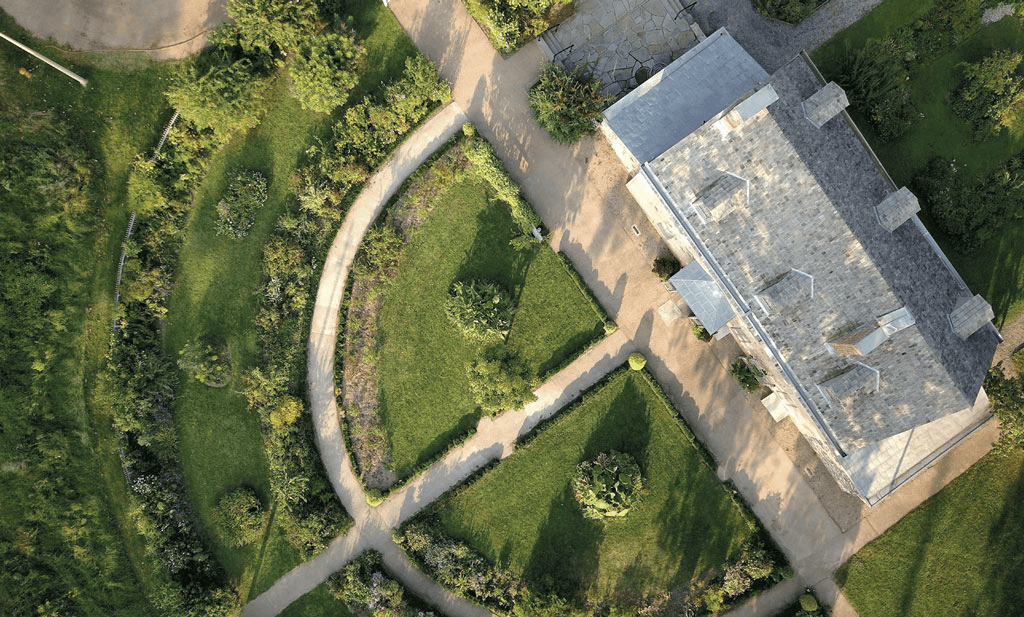
American botanist John Bartram established a botanical garden on his farm. It was situated in a picturesque setting just west of the Schuylkill River and south of Philadelphia’s suburbs. A stone house first appeared here, which the owner later expanded with a kitchen and an original carved facade. The house can still be found in the botanical garden in the twenty-first century.
The botanical garden was created by the botanist in 1728, at the same time as the construction of the house began. In 1760, a greenhouse was built, and it has been operational for almost 200 years. In 1765, John Bartram was granted royal botanist status, and he collected over 200 local plants for his garden. The Bartram family maintained the botanical garden for three generations before selling it in 1850.
Throughout its history, the botanical garden has amassed a huge collection of both native and exotic plant species. Bartram’s catalog of American trees includes extensive descriptions of the majority of them for interested specialists, while nature enthusiasts may simply enjoy the beauty of these extremely rare plants.
The most notable trees in Bartram’s Garden
Many plant species can be found in Bartram’s garden, but the most well-known are the following three:
- Ginkgo, a two-lobed tree that is considered to be the oldest of its kind in North America. It was the last of three trees brought to the continent from China in 1785.
- Cladrastis kentukea, an old tree that grows east of the house, was sent to the botanical garden from Tennessee in 1796.
- The Franklin tree that William and John Bartram Jr. discovered in Georgia in 1765 and planted in their garden in 1777. These trees were last observed in the wild in 1803, therefore the Bartrams saved this species from extinction.
Furthermore, Bartram’s Garden contains a large variety of herbaceous plants and provides an opportunity to get acquainted with almost all the plants of North America.
History of the botanical garden
John Bartram was an explorer, botanist and plant collector. In 1728, he purchased a plot of land in Philadelphia and established a garden to house his collection. John created a unique systematic collection, as well as researched plants, discovered new species and contributed to the conservation of the local flora.
Bartram exchanged scientific knowledge and plants with other botanists. He even established a transatlantic plant trading company. As a result, over the course of his life, he was able to amass a vast collection of North American flora.
Following the scientist’s death in 1777, his sons, William and John Bartram Jr., inherited and maintained the family business. Their efforts helped to further expand the botanical garden. William was a naturalist and artist who also taught botany enthusiasts. At the time, Bartram’s Garden was already well-known, and Philadelphia hosted significant events in American history. So, among its visitors were President George Washington and members of the Continental Congress in 1784.
After John Bartram Jr. passed away in 1812, the garden was overseen by his daughter Ann Bartram Carr and her husband Robert. Later, the couple was joined by their son John. They expanded the international plant trade and established another garden that featured popular blossoms. Ann Bartram Carr was the first to make the garden accessible to the public.
However, due to financial troubles, the Bartrams sold the garden in 1850. Andrew Eastwick was its private buyer. Following his death in 1879, botanist Thomas Meehan led a campaign to preserve the botanical garden. The garden became the city’s property in 1891, and the John Bartram Association was formed two years later to preserve and maintain it. In 1960, Bartram’s Garden was designated a National Historical Monument.
Unfortunately, up until this moment, the botanical garden had not been properly cared for. Many plants died, were damaged or stolen. The Bartram library housed numerous records describing the collections, which aided in the restoration of the garden and its collection. The final restoration work was finished in 2016.
In addition, in 2011, four hectares of land south of the botanical garden were converted into a public crop farm for the African diaspora.
In the twenty-first century, Bartram’s Garden attracts over 100,000 visitors every year. This lively botanical landscape educates visitors about North American plants while also successfully preserving the history and spirit of previous generations. Fortunately, John Bartram’s endeavors have persisted and are not forgotten, and the botanical garden named after him remains a true gem of North America and Philadelphia.