

Pennsylvania boasts over 2,000 native species of trees, shrubs, flowers, and grasses. All are perfectly adapted to local climate conditions and help create a pleasant, healthy atmosphere in the city. Philadelphia needs continued green initiatives, so residents are encouraged to plant and care for these vital flora. Read on at philadelphia.name for a closer look at the city’s most popular native plants.
White Oak
You can spot magnificent white oaks in many of Philadelphia’s parks. These trees grow slowly and can live up to 300 years, reaching up to 90 feet tall and 70 feet wide. As deciduous trees, their vibrant leaves fall in autumn, creating a cozy ambiance and perfect spots for photoshoots.
Oaks are crucial for the city’s small wildlife, as squirrels and chipmunks feast on their acorns. These tall, sprawling trees provide ample shade in parks, and their strong, rot-resistant wood can be used for furniture making.
Red Maple
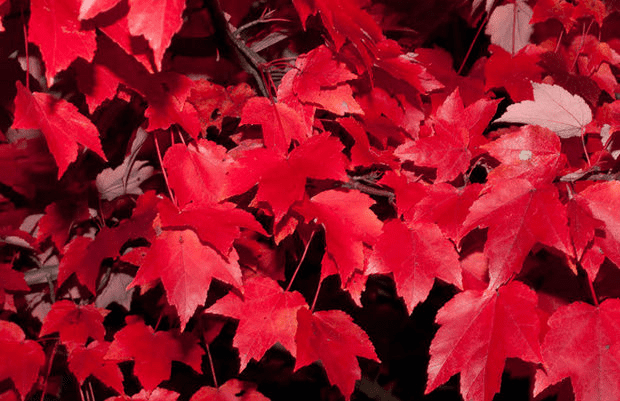
Philadelphia’s gorgeous deciduous trees include the red maple. They can live up to 100 years and grow as tall as 100 feet and 40 feet wide, rivaling oaks in stature. A popular variety in Philadelphia is called “Autumn Blaze” due to its stunningly bright foliage that drops in the fall.
Red maples often serve as homes for various bird species. These trees adorn many city parks and gardens. They are well-adapted to local climate conditions and are a true embellishment to the city.
Tulip Tree
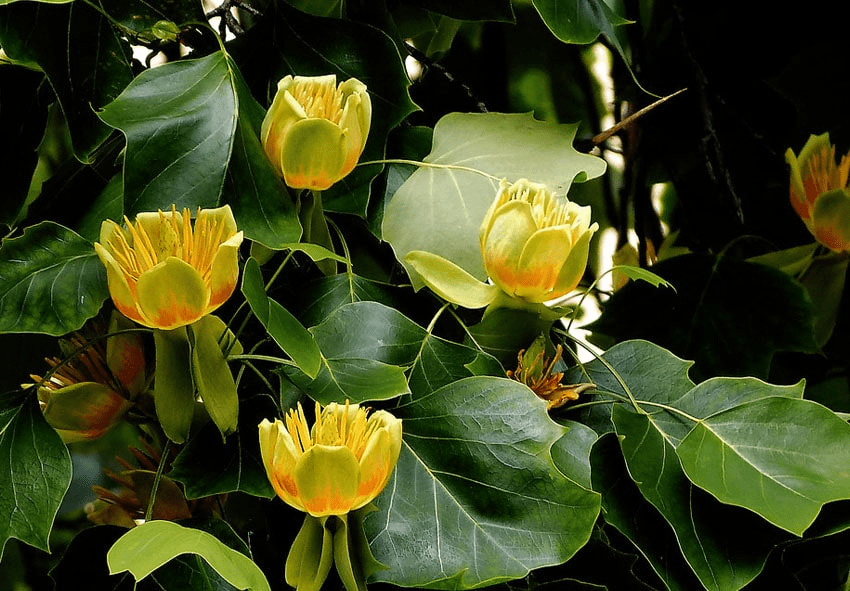
The flowers of this tree resemble tulips, making its name perfectly fitting. Large, vibrant orange-yellow cup-shaped blooms attract bees, butterflies, and birds, and emit a delicate, intoxicating fragrance. The tree has a distinctive leaf shape, somewhat similar to maples but still unique. In autumn, the leaves turn golden and slowly fall.
Small animals feed on the seeds of tulip trees, so their presence in urban parks and squares is not just ornamental but also a vital part of the natural food chain. It’s worth noting that a tulip tree can live for up to 500 years and reach an impressive 90 feet in height.
Fern
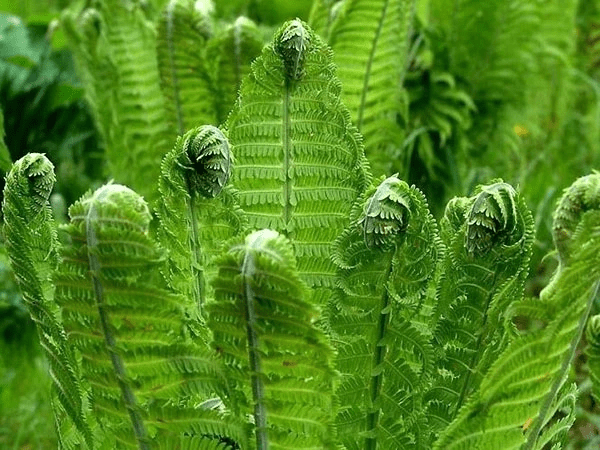
Many species of fern can be found in the shade of large trees throughout Philadelphia and its surrounding areas. Local varieties are deciduous, with intricate, fan-like green fronds on black stems. For optimal growth, ferns require shade and moist soil.
City dwellers often plant ferns in their yards alongside ornamental grasses and beneath trees. They create an attractive ground cover and contribute to the healthy functioning of local ecosystems.
Winterberry Holly
Quite common in Philadelphia are shrubs like the winterberry holly, also known as American winterberry. This deciduous shrub can reach 6 to 10 feet in height and thrives in various soil types, even in shady conditions.
Unlike other holly species, the leaves of this plant do not have pointed edges. They are elongated and a rich green color. In autumn, vibrant clusters of orange-red berries appear on its branches. While some animals feed on them, these berries are poisonous to humans. So, enjoy their beauty, but don’t be tempted to taste them.
Sweet Pepperbush (Clethra alnifolia)
This deciduous shrub is a perennial that loves moist environments and can reach 8 feet in height. The bushes grow slowly, with new shoots intertwining to form dense thickets. That’s why Philadelphians often use this plant for hedges or plant it along borders.
This shrub has a delightful fragrance, blooming in July or August. Its white flower clusters emit a spicy scent. Sweet pepperbush is a relatively low-maintenance shrub, and it’s both beautiful and beneficial for insect life.
Common Ninebark (Physocarpus opulifolius)
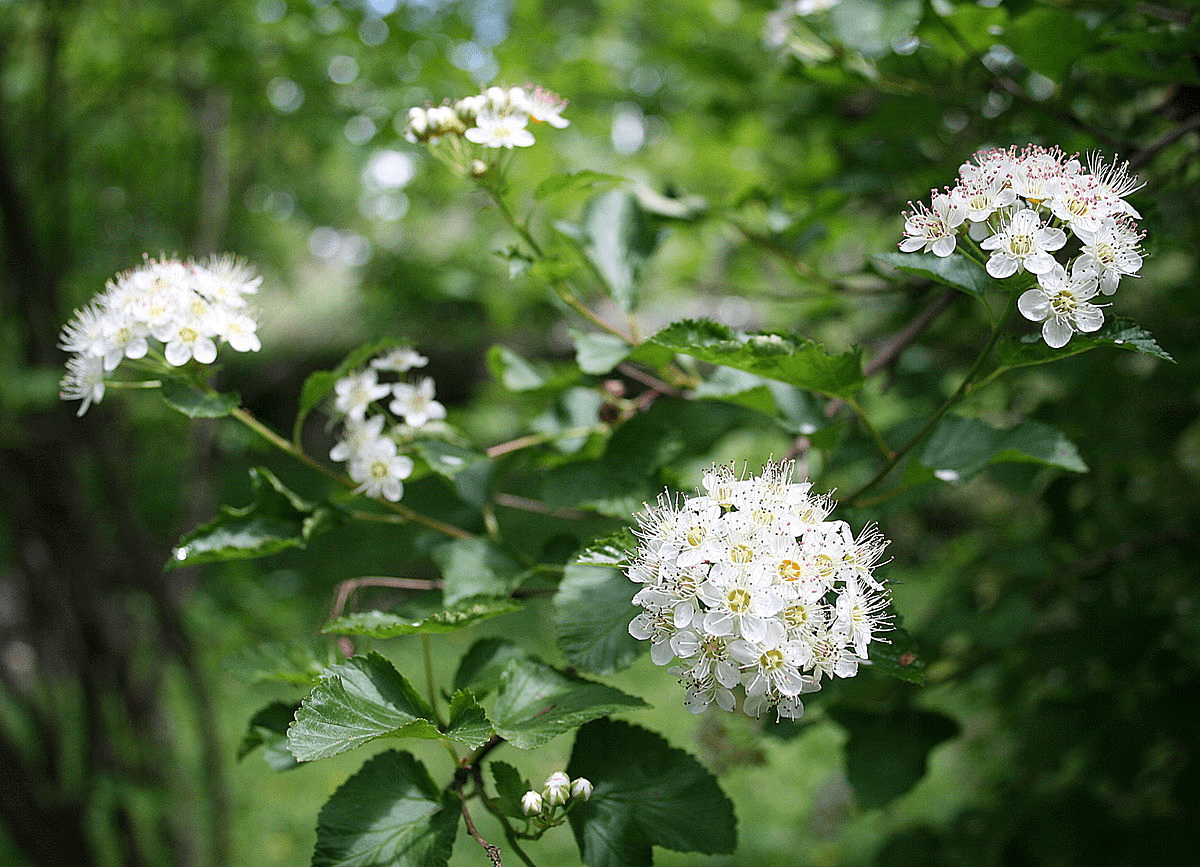
Another common and beautifully flowering shrub in Philadelphia is the Common Ninebark. This plant doesn’t require much water and grows up to 8 feet tall. The bark of this shrub has a unique peeling quality, which occurs in the fall, revealing a copper color that contrasts strikingly with its green leaves.
Blooming begins in late May and lasts until July. The shrub’s dense flower clusters are white or pink and are incredibly attractive. Their delicate beauty is precisely why this plant is so popular in Philadelphia. Residents often combine it with other bushes and grasses and grow it near their homes.
Mountain Mint (Pycnanthemum muticum)
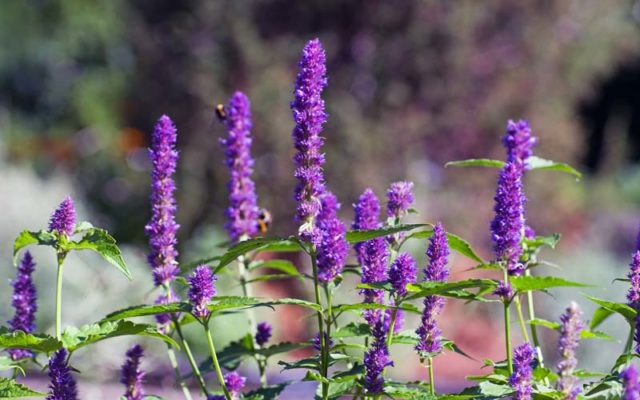
Philadelphians plant this type of mint in gardens, parks, and regular flowerbeds. This herbaceous perennial features distinctive emerald leaves and blooms from July to September. Its flowers are white or light pink. The pleasant, characteristic aroma attracts butterflies and birds, and freshens the summer air.
Mountain mint has long grown in this region and is used in folk medicine as an infusion. Native American peoples used it to treat fever, colds, and stomach pain. You can also brew a healing tea from mountain mint grown in your own yard.
Creeping Phlox (Phlox divaricata)
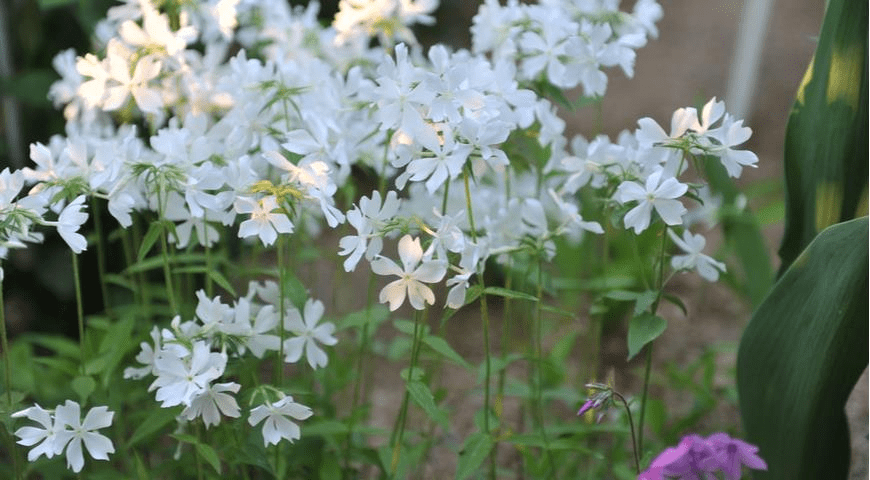
This herbaceous perennial, known as Creeping Phlox, can be seen along roads, in forests, and in fields throughout Pennsylvania and Ohio. It’s distinguished by its showy, fragrant flowers, which can be white, pink, blue, or purple. Blooming occurs in May and June, attracting many insects, butterflies, and birds.
Wilted flower clusters should be pinched off, as this stimulates further blooming and helps preserve the delicate beauty of this plant for longer. Its care is generally limited to ensuring sufficient watering.
Cardinal Flower (Lobelia cardinalis)
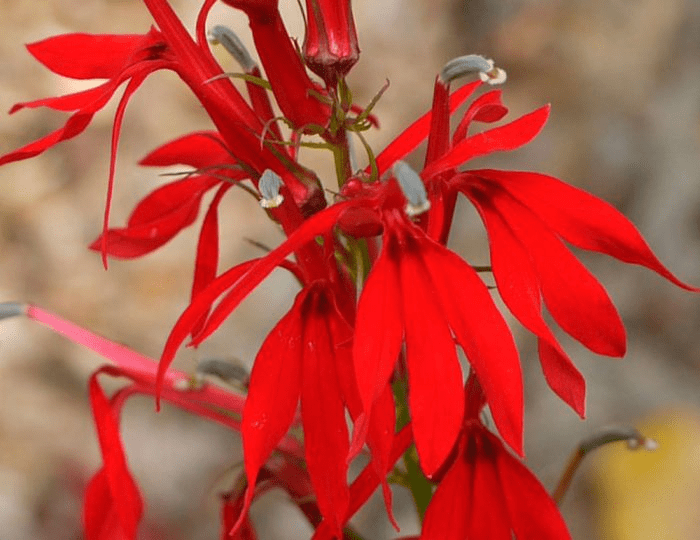
This herbaceous perennial features vibrant red flower spikes and lance-shaped leaves, earning it the nickname “cardinal.” It thrives in moist soils and good sunlight, making gardens, ponds, and wet meadows its most common habitats.
The plant blooms from mid to late summer, gracing observers with its beauty for an extended period. It reaches up to 4 feet in height and is a valuable nectar source and an important part of the ecosystem for insects and butterflies.
Black-Eyed Susan (Rudbeckia hirta)
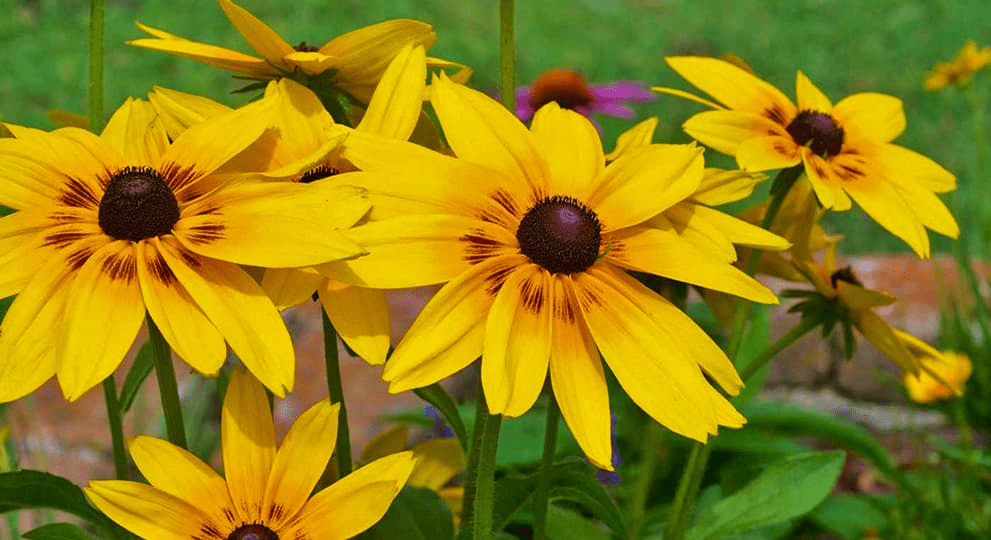
This wild-growing plant can reach 3 feet in height and is very common in Philadelphia and its surroundings. Here, it’s widely known as “Black-Eyed Susan.” Its orange, daisy-like flowers emerge in June and persist until October. There are also varieties with red blooms.
Overall, Rudbeckia is a low-maintenance and easy-to-grow plant. Therefore, in addition to its natural growth, it’s often seen in residential areas. City residents love this flower and gladly cultivate it.
Foxglove Beardtongue (Penstemon digitalis)
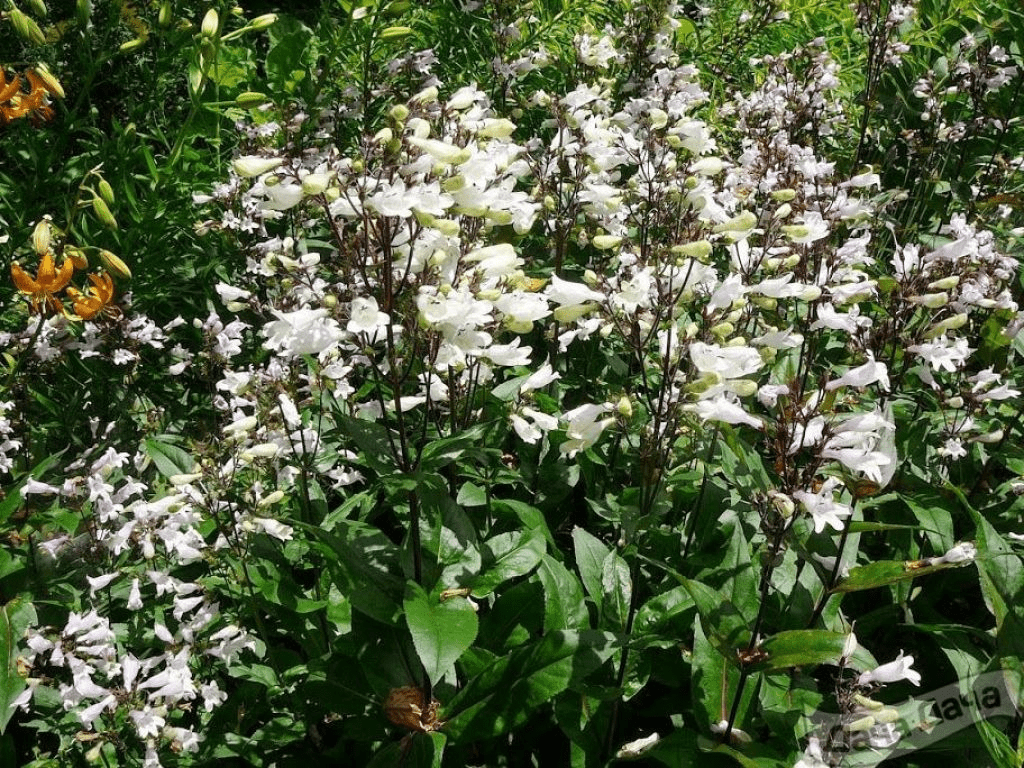
This native perennial not only boasts an elegant appearance but also offers significant ecological benefits. In late spring, it produces tubular white flowers that attract butterflies and bees for pollination. The plant thrives in sunlight and can tolerate drought conditions. It serves as a beautiful landscape accent and is frequently used in Philadelphia to adorn residential properties.
This is just a brief overview of some popular plants you can find in Philadelphia. Of course, there are many more, and with environmental trends gaining traction in the city, residents are actively contributing to greening efforts by planting new species of trees, shrubs, flowers, and grasses. Together, they create a thriving ecosystem that enhances urban living.