

Transportation is the lifeblood of any city. As long as it pulses in harmony, the urban organism breathes, develops, and thrives. Philadelphia is actively transforming its transit network, strategically focusing on sustainable and clean development. Amidst global climate challenges, the Pennsylvania metropolis aims to become the architect of a new ecological order, where citizen mobility does not harm the environment. This strategic shift involves not only reducing carbon emissions but also a fundamental rethinking of urban planning. We discuss the main trends in this sector on philadelphia.name.
SEPTA Rail Network – The Backbone of Urban Mobility
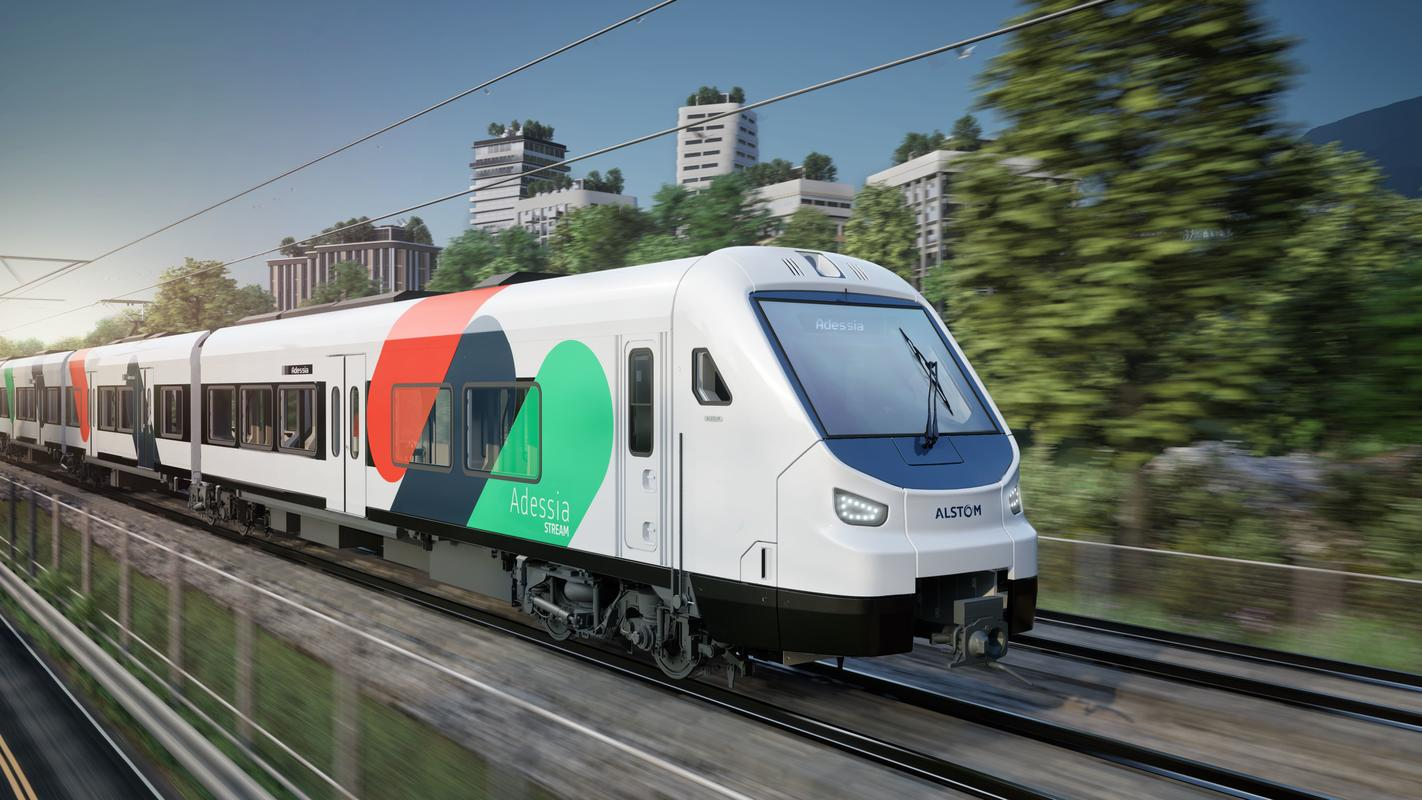
The Southeastern Pennsylvania Transportation Authority, or SEPTA, is the cornerstone of Philadelphia’s environmental strategy. This extensive network includes electrified commuter trains, subways, trolleys, and buses, providing essential connectivity between the city center and the suburbs. The advantages of rail transport are clear: it is significantly more energy-efficient than private automobiles. One train can replace hundreds of cars, reducing traffic congestion and the need for parking spaces.
The city government is constantly modernizing its rolling stock and expanding lines, notably through the “Way to Go, SEPTA” program. The greening of the system includes “green” procurement for locomotives and the integration of solar panels at stations. The introduction of a unified payment system (SEPTA Key) simplified the use of the entire network, encouraging citizens to choose public transit more often and making multimodal trips more convenient.
The City on Two Wheels: Developing Bicycle Infrastructure
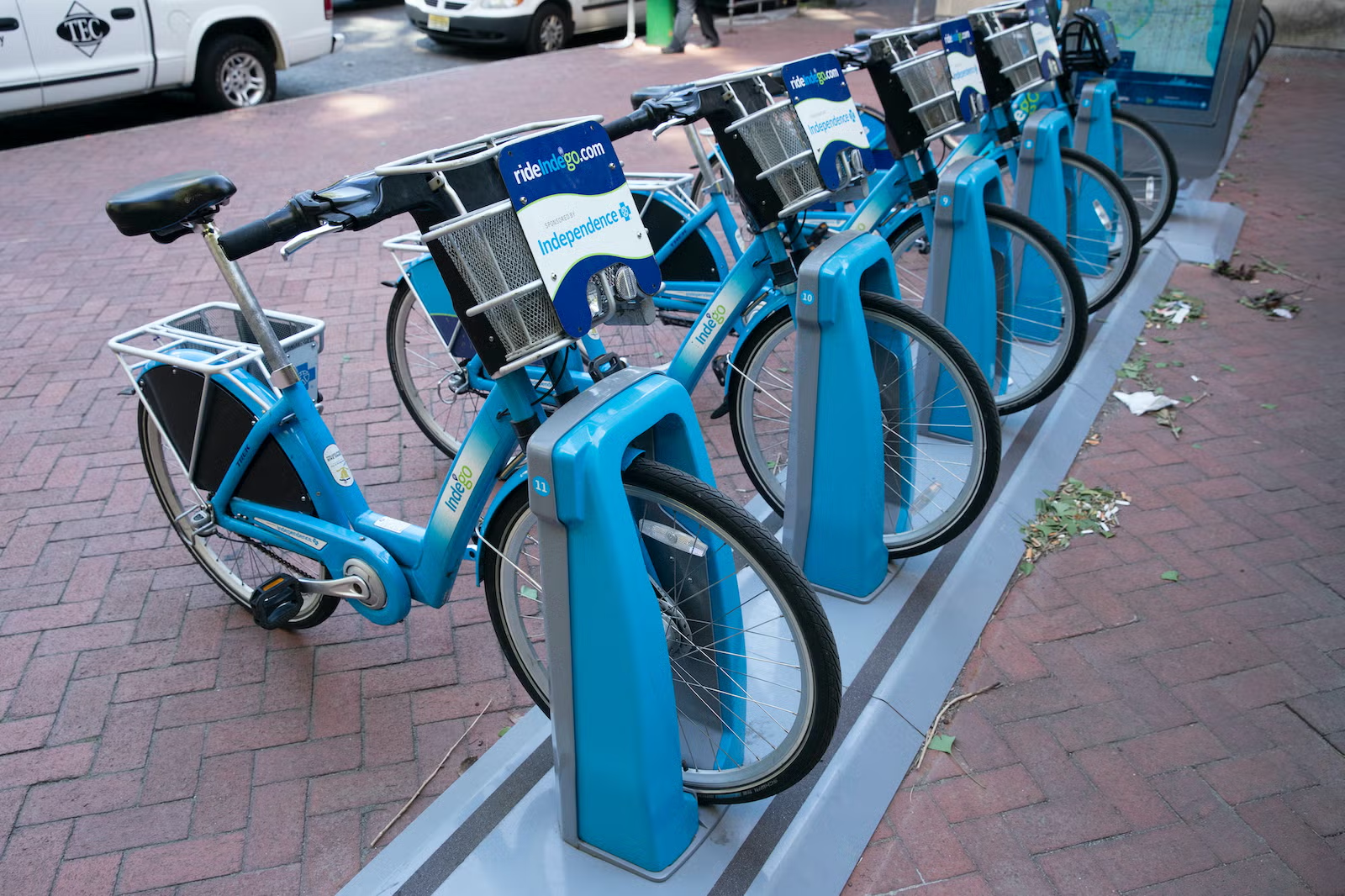
Cycling in Philadelphia is undergoing a genuine boom, transforming into one of the most dynamic sectors of ecological mobility. The city consistently develops its bicycle infrastructure, which now spans over 450 miles (ca. 724 km) of lanes, including separated paths and shared marked roads.
The “Indego Bike Share” program, launched in 2015, democratized bike rentals. With numerous stations, residents and tourists can rent two-wheeled transport for short trips. Indego’s popularity points to high demand for flexible solutions that do not require car ownership. Urban planners are creating “green corridors,” such as the famous Schuylkill River Trail, which connects river embankments, parks, and squares, offering cyclists not just a route but also a place for recreation. The implementation of smart traffic lights that recognize cyclists enhances safety, helping Philadelphia build a thriving cycling culture.
Electric Innovations: The Future of Transportation
Philadelphia is actively investing in the electrification of its ground public transportation. The aforementioned SEPTA is systematically replacing aging diesel buses with electric models that produce zero harmful emissions into the atmosphere, significantly improving air quality and reducing noise pollution. This transition is part of an ambitious goal: to completely convert the entire bus fleet to electric power by 2040.
In addition to electric buses, the city is modernizing its extensive trolley network, which already runs on electricity. Investment in charging infrastructure is a key aspect of this transformation. Specialized depots with powerful charging stations are being created, often powered by renewable sources. Such transparency (SEPTA publishes data on emissions reduction) helps build public trust in the city’s environmental programs.
A City for Pedestrians: Comfort and Safety
Philadelphia recognizes the fundamental importance of creating comfortable and safe conditions for pedestrians—the most eco-friendly mode of transportation. Developing pedestrian zones, widening sidewalks, and greening the streets are key elements of the municipal strategy. The historic center (especially Old City) is actively transforming, prioritizing people over cars.
The “Great Streets Philly” program aims to improve pedestrian infrastructure, including creating accessible ramps for people with disabilities and safe crossings, making the city inclusive. Creating new squares and pedestrian oases in densely populated areas, such as Sister Cities Park, reduces the need for driving to parks on the outskirts. The implementation of the “residential streets” concept and strengthened “Vision Zero” measures aim to eliminate traffic fatalities, encouraging walking, which positively impacts citizen health.
New Horizons
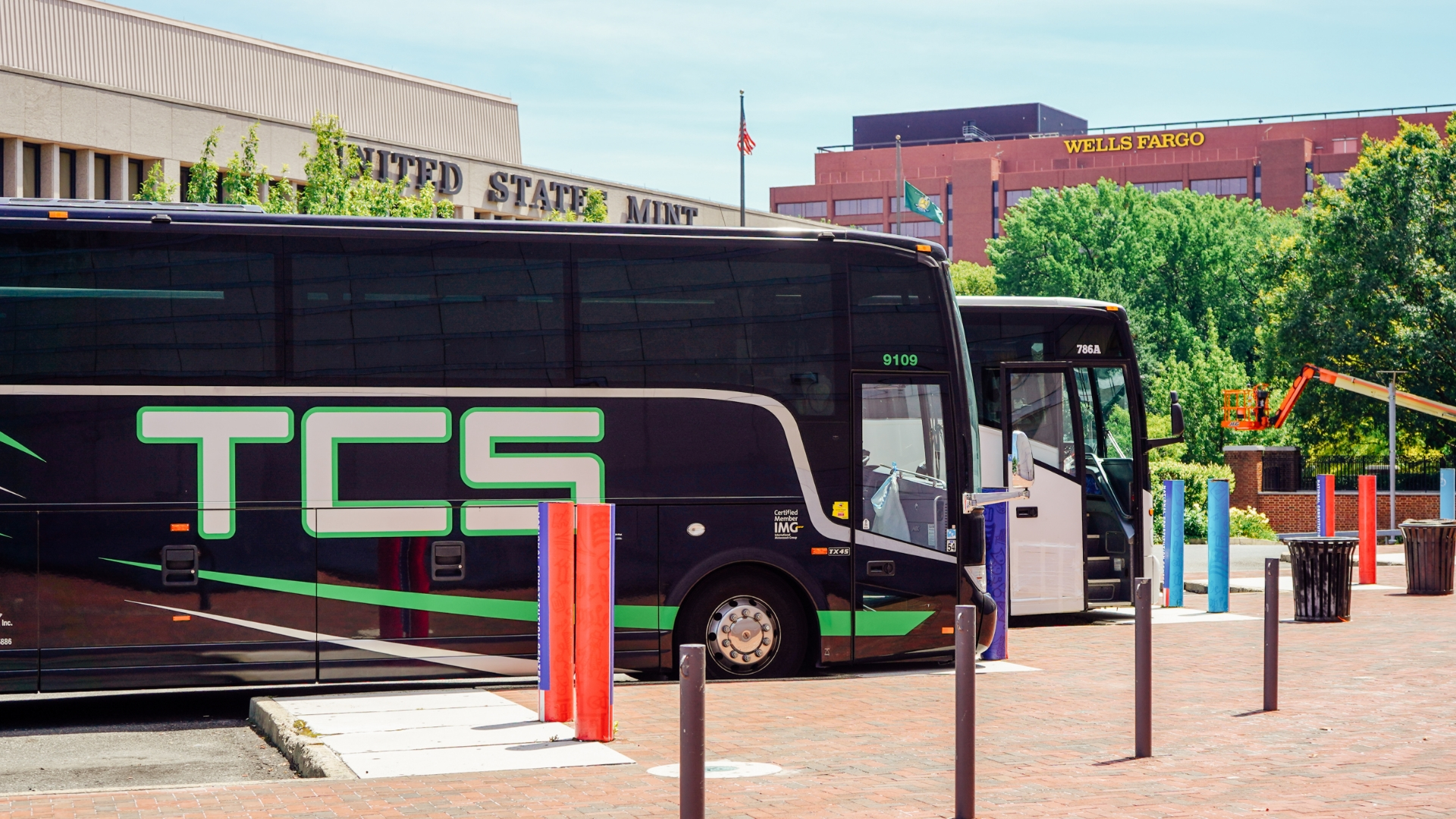
Philadelphia is actively exploring and implementing innovative solutions to enhance transport efficiency and cleanliness. The city participates in pilot projects using autonomous shuttles for short-distance transport, for example, within large campuses.
Expanding the charging infrastructure for private electric vehicles is another priority. New public charging stations are being installed in collaboration with the private sector, and incentive programs, such as tax benefits, encourage the adoption of electric cars. Car-sharing services and “green” taxis (hybrids/electric) offer convenient alternatives to car ownership. Furthermore, the city uses “smart” traffic management systems and artificial intelligence to optimize traffic flows, reducing congestion and, consequently, emissions from all vehicles.
Challenges and the Path to the Ideal
Despite significant successes, Philadelphia faces logistical and financial challenges. Modernizing infrastructure requires constant multi-billion dollar investments. A major problem remains changing public transit habits, as many people still prefer private cars due to habit or convenience.
Educational campaigns and subsidy programs are needed for residents in remote areas to ensure equal access to ecological transportation. Technological challenges, particularly developing cheaper and more efficient batteries, also require continuous research. Nevertheless, Philadelphia continues to demonstrate an unwavering commitment to sustainable development principles, leveraging its powerful economy and scientific potential to shape a future where green mobility is the norm.
| Type of Transport | Key Features | Environmental Benefits | Future Plans / Status |
| Rail (SEPTA) | Electrified network (trains, subway, trolleys). | Low emissions, high energy efficiency per passenger. | Modernizing rolling stock, using SEPTA Key. |
| Cycling | Over 450 miles (ca. 724 km) of bike lanes; Indego Bike Share. | Zero emissions, improved public health. | Expanding the network, creating green corridors (Schuylkill River Trail). |
| Electric Buses | Active replacement of diesel fleet with electric. | Zero emissions, quieter urban environment. | Full electrification of the bus fleet by 2040. |
| Pedestrian | Wider sidewalks, pedestrian zones, “Great Streets Philly” program. | Lowest impact, increased physical activity. | “Vision Zero,” creating an inclusive and safe environment. |
| Innovations | Autonomous shuttles, car-sharing, “smart” traffic management. | Reduced congestion, optimized routes, emission reduction. | Integrating AI, expanding EV charging infrastructure. |
