

Founded in 2015, the organization “Philly Thrive” is dedicated to building resilient communities and championing environmental well-being. Its leaders tirelessly work towards justice and a better quality of life for all Philadelphia residents. Volunteers enthusiastically join “Philly Thrive,” and together, they’ve achieved significant results, most notably their activism led to the closure of a major local oil refinery. Discover more about the organization’s history and current initiatives at philadelphia.name.
The Vision and Initiatives of “Philly Thrive”
This organization champions the ideas of environmental, racial, and economic justice in Philadelphia. Its mission is to identify unmet community needs to improve living conditions and to transition from an extractive economy to a regenerative one.
Each year, volunteers launch new initiatives, and most prove successful. A prime example is the closure of the oil refinery that had polluted the environment for over a century. Looking ahead, the organization is focused on the redevelopment of its historic site and is spearheading other environmental and housing programs.
Beyond environmental advocacy, “Philly Thrive” also organizes community support, including summer camps for youth, food deliveries, and creating themed groups that address topics like domestic violence.
Success Stories of “Philly Thrive”
This organization operates across many different fronts. Here are some of its most successful initiatives:
“Southport Campaign”
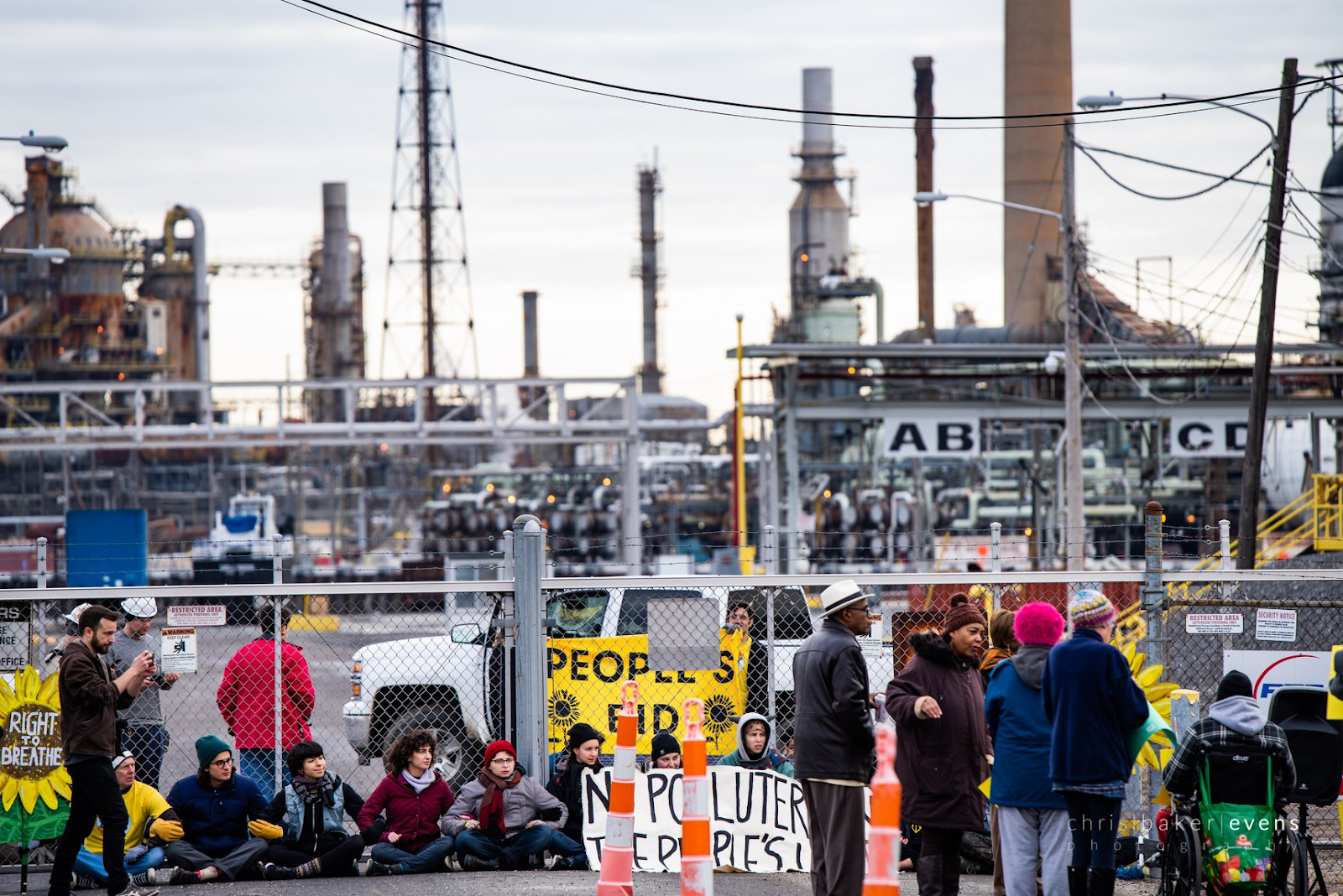
This was “Philly Thrive’s” first major initiative, launched in 2016 to halt the proposed expansion of the PES oil refinery. The company aimed to extract more oil and export it abroad. However, environmental activists gathered extensive information detailing the environmental harm this activity would cause. Furthermore, “Philly Thrive” is committed to the overall reduction of fossil fuel use in Philadelphia.
“We Decide”
As part of this campaign, the organization engaged in the planning process for Philadelphia’s updated energy system. Its representatives sought to involve community members from areas most affected by energy insecurity and injustice. Thanks to these efforts, over 300 Philadelphians participated in meetings and surveys to help prioritize energy development.
“Dump Wells”
In the same year, the organization joined a coalition that successfully urged the city council to terminate its banking contract with “Wells Fargo“. This was due to the bank’s investments in prisons, the Dakota Access Pipeline, and the PES oil refinery. What’s more, its lending practices were found to be racially discriminatory.
“Pay Up PES”
From 2018 to 2019, the “Pay Up PES” campaign encouraged Philadelphians from the city’s southern and southwestern districts to file claims for damages caused by the oil refinery. When the company decided to build a biogas plant on its site, residents in nearby areas knew how to challenge the permits granted to them and instead demand investment in community development.
To achieve success, “Philly Thrive” partnered with many other organizations and hosted numerous public events aimed at raising environmental awareness among city residents.
“Contesting for Closure”
The fight for the oil refinery’s closure, spearheaded by “Philly Thrive,” spanned 2019 and 2020. It began with powerful explosions at the facility, which resulted in a terrible environmental catastrophe and injured employees. Immediately following these events, the organization launched a new campaign to shut down the plant. Volunteers urged city residents to participate in public gatherings. They also collected stories from Philadelphians who had suffered for many years due to the plant’s operations. Moreover, company employees were often laid off without benefits or support, while its executives received huge bonuses.
“Philly Thrive’s” actions led to a meeting with Mayor Jim Kenney, aiming to hold the city accountable for protecting the right to clean air. In February 2020, during an auction, the sale of the land to a new company was confirmed, and the story of the oil refinery finally came to an end.
What’s Next?
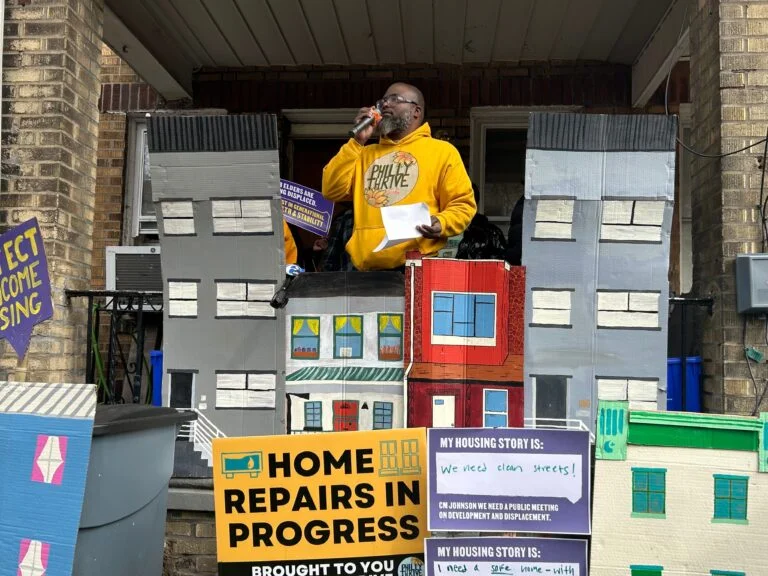
All the initiatives listed above have been successful, making “Philly Thrive” a well-known and influential organization. So, they’re not stopping there. For instance, in 2024, environmental justice activists in the Grays Ferry neighborhood called on the city council to allocate budget funds for home repairs and a transition to “green” energy and transportation.
“Philly Thrive” proposed that the city invest $5 million in the “Built to Last” program. Run by the Office of Energy, this program coordinates free home repairs and electrification according to new environmental standards for low-income households.
The organization’s members believe this will help residents stay in their neighborhoods and resist proposals from developers looking to buy homes cheaply. These gradual changes increase household resilience, lower utility bills, and will positively impact the city’s environmental health.