

Losing a loved one is undeniably one of the most profoundly challenging and emotionally overwhelming experiences in a person’s life. Amidst the intense grief, sorrow, and emotional turbulence, families are often faced with making lasting, permanent decisions to honor the deceased. One of the most significant and enduring of these choices is selecting a headstone. A memorial is not just a simple marker placed on a grave; it is a lasting, physical tribute to a unique life lived. It creates a dedicated space for family, friends, and future descendants to gather, mourn, reflect, and remember for generations to come.
Because this monument is explicitly designed to stand the test of time and weather the elements for centuries, the process of choosing it should never be rushed or taken lightly. There are numerous critical factors to consider, ranging from strict cemetery regulations and material durability to personal design preferences, custom artwork, and budget constraints. This comprehensive, highly detailed step-by-step guide is designed to walk you through the entire process from start to finish, ensuring you make a fully informed, confident, and deeply meaningful decision during a difficult time.
Step 1: Understand Your Cemetery’s Regulations and Bylaws
Before you even begin looking at beautiful designs, exotic stone materials, or custom colors, your very first and most crucial step must be to contact the cemetery where the burial will take place. Many grieving families are surprised and sometimes frustrated to learn that cemeteries almost always have strict, non-negotiable bylaws regarding the types of memorials they allow on their grounds.
Cemeteries enforce these stringent rules for various practical and aesthetic reasons, including the safety of their groundskeepers, the efficiency of lawn maintenance equipment, the preservation of a specific historical or modern aesthetic, and the physical limitations of the burial plots themselves. Here is exactly what you need to verify with the cemetery administration:
- Allowed Sizes and Dimensions: Are there minimum or maximum height, width, and thickness requirements for the stone? Single graves usually have different size limits compared to companion (double) graves or family plots.
- Permitted Styles and Shapes: Does the cemetery only allow flat, flush-to-the-ground markers (often true for modern “memorial parks” to make lawn mowing easier), or are traditional upright monuments permitted? Are custom shapes like hearts or crosses allowed?
- Approved Materials: Some historic, traditional, or specific religious cemeteries may strictly only allow granite or bronze. Others might explicitly prohibit certain colors of stone, such as bright reds or blues, requiring more subdued grays or blacks.
- Edging, Borders, and Foundations: Are you allowed to have a poured concrete or solid granite border around the plot? What are the requirements for the concrete foundation that will support the heavy stone?
- Installation and Delivery Rules: Do they require their own internal staff to install the headstone (often charging a fee for this service), or can a certified third-party monument company handle the installation?
Step 2: Select the Ideal Material for Longevity
The raw material you choose will dictate not only the final appearance of the headstone but also its structural longevity, its resistance to the elements, and how much ongoing maintenance it will require over the coming decades.
- Granite: This is universally considered the absolute best and most popular material for headstones worldwide. It is incredibly durable, highly resistant to extreme weather conditions (from freezing winters to scorching summers), and comes in a vast array of beautiful, naturally occurring colors. You can find granite in classic grays, deep absolute blacks, rich mahogany reds, and vibrant bahama blues. Granite is also the optimal surface for highly detailed laser engraving.
- Bronze: Often used in conjunction with a flat granite base, bronze offers a classic, timeless, and highly elegant look. It is exceptionally durable but, due to natural chemical reactions with the elements, it will naturally oxidize and develop a green or brown patina over time unless it is regularly cleaned, oiled, and treated.
- Marble: Renowned for its breathtaking beauty, intricate veining, and smooth texture, marble has been used by sculptors for centuries. However, it is a chemically softer stone and is highly susceptible to weathering, acid rain, and environmental decay over time. Crisp inscriptions and delicate carvings may blur or wash away entirely after several decades outdoors.
- Sandstone and Limestone: These are traditional sedimentary materials often found in older, historical cemeteries dating back to the 18th and 19th centuries. While they offer a unique, rustic aesthetic, they are the most fragile options available today and will deteriorate significantly faster than granite or bronze.
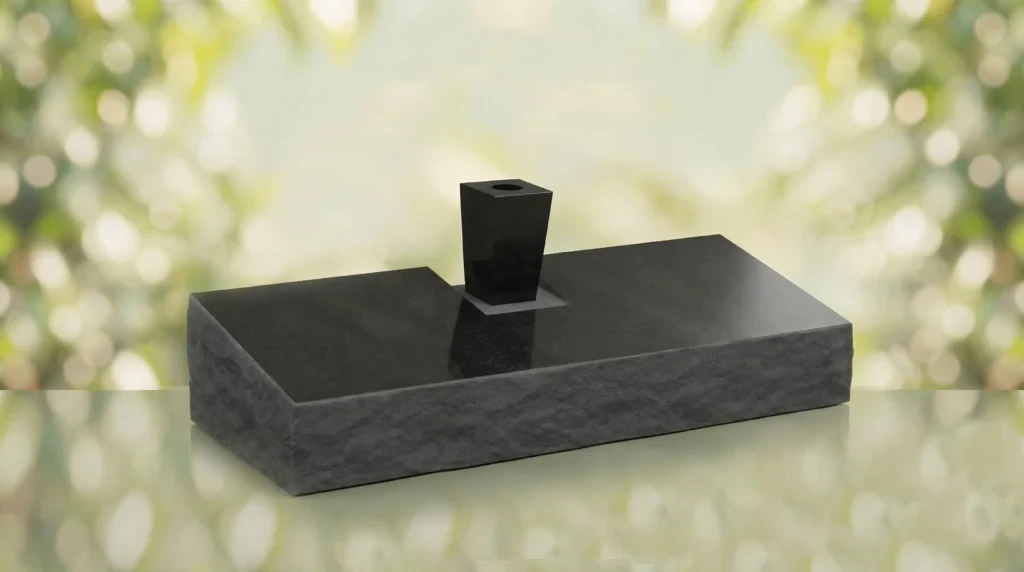
Detailed Headstone Materials Comparison
| Material | Durability Rating | Maintenance Needs | Weather Resistance | Relative Cost |
| Granite | Excellent | Very Low | Exceptionally High | Moderate to High |
| Bronze | Excellent | Moderate | High (Develops Patina) | High |
| Marble | Fair | High | Low (Prone to Acid Rain) | High |
| Limestone | Poor | Very High | Very Low | Low to Moderate |
Step 3: Choose the Shape, Style, and Configuration
Once you know exactly what the cemetery allows and have selected a durable material, you can choose the physical shape and configuration of the memorial. The style should reflect the unique personality of your loved one while fitting comfortably within your designated budget.
- Upright Monuments: These are the most traditional, classic, and recognizable headstones. They typically consist of a tall, vertical tablet (the main stone) set upon a sturdy, matching base. They offer the maximum amount of surface area for inscriptions, custom artwork, and multiple family names. Tops can be carved into “Serpentine” (wavy), “Ogee” (scalloped), or flat shapes.
- Flat Markers (Flush Markers): These stones lay entirely flat, flush with the surrounding grass. They are often strictly required in “memorial park” style cemeteries to facilitate easy landscaping. While smaller, they can still be beautifully customized.
- Bevel Markers (Pillow Markers): Similar to flat markers, but they are raised slightly above the ground (usually 6 to 8 inches) with a gentle slope toward the back. This angled face makes them significantly easier to read from a distance than a purely flat marker.
- Slant Markers: These monuments have a steep, prominently angled face and a flat back. They look substantial and can sit directly on a poured concrete foundation or be elegantly placed on a separate granite base for added height.
- Bench Memorials: A beautiful, highly functional alternative that provides a dedicated physical place for visiting family members to sit, rest, and reflect. They are highly customizable, can hold cremated remains inside, and offer a truly unique way to memorialize a loved one.
Step 4: Pick the Right Textural Finish
The way the raw stone is physically finished in the factory dramatically changes its final appearance, its color depth, and how it interacts with light. Depending on the material and chosen style, you can select from several distinct finishes:
- Polished: The stone is rigorously buffed using diamond pads to a high, glass-like shine. This finish makes the natural colors and crystalline structure of the granite truly pop. It is highly reflective and is the easiest finish to wipe clean of bird droppings or tree sap.
- Honed (Steeled): The stone is ground perfectly smooth to the touch but has a matte, non-reflective finish. This is a fantastic option if you want a softer, more subdued look, or if the monument will be placed in an extremely sunny area where glare might make a polished stone hard to read.
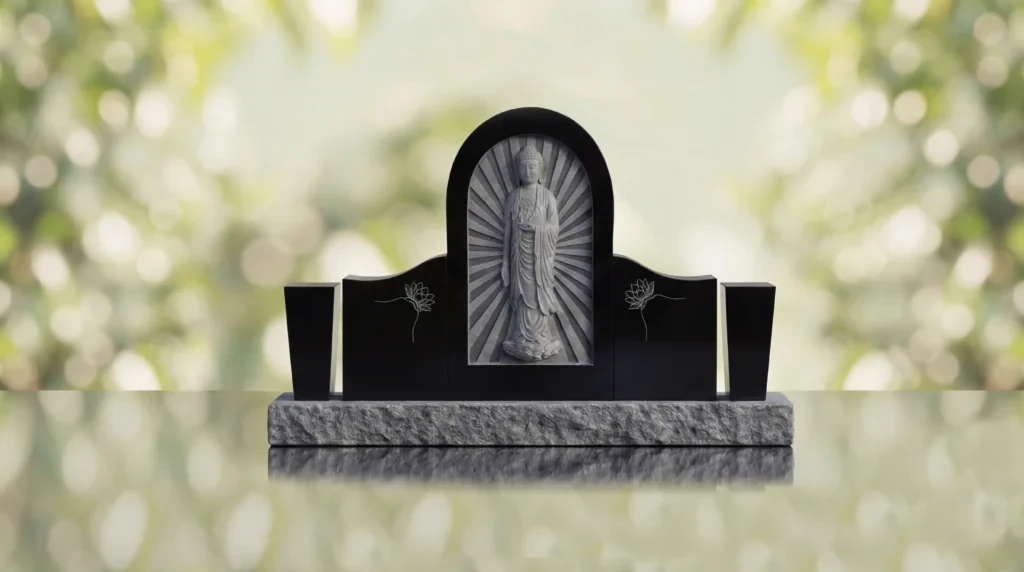
- Pitched (Rock Pitch): The outer edges of the stone are left rough, jagged, and natural, looking exactly as though they were freshly chipped from the side of a mountain. This is frequently used on the outer sides and top edges of upright monuments to provide a striking, rustic contrast to the polished front face.
Step 5: Crafting the Perfect Inscription and Artwork
The inscription (or epitaph) is the literal voice of the memorial. It is how you summarize an entire lifetime and convey your family’s enduring love to future generations. Take your absolute time with this crucial step, as the carving is permanent.
- The Core Information: Ensure you have the full legal name, precise date of birth, and exact date of passing absolutely correct. Double-check and triple-check all spellings before signing off on the final stencil proof.
- Meaningful Relationships: Consider adding their primary, most cherished roles in life, such as “Devoted Mother, Loving Sister, and Loyal Friend.”
- The Epitaph: This can be a favorite inspirational quote, a comforting religious scripture, a line from a beloved poem, or a simple, profound phrase like “Forever in our hearts.” Keep it relatively concise, as physical space on the stone is limited and individual lettering often incurs additional costs.
- Engraving Methods: You can choose traditional sandblasting (which deeply carves the letters into the stone, creating beautiful shadows) or modern laser etching (which lightly scratches the surface and is absolutely phenomenal for transferring highly detailed photographic portraits and complex, intricate imagery onto solid black granite).
Step 6: Consider Practical Budgeting and Timelines
A major part of choosing the right headstone is understanding the financial and logistical realities of the monument industry.
- Setting a Budget: Headstones can range from a few hundred dollars for a simple flat granite marker to tens of thousands of dollars for elaborate, custom-sculpted upright family monuments. Be transparent with your monument builder about your budget so they can guide you toward the best materials and sizes within your price range.
- Understanding Timelines: Headstones are not created overnight. Depending on the origin of the granite (domestic vs. imported), the complexity of the design, and the cemetery’s foundation pouring schedule, a headstone can take anywhere from 3 to 9 months to be completely finished and installed. Be patient, as quality craftsmanship requires time.
Conclusion
Selecting a memorial is a profound, deeply personal act of love, respect, and remembrance. It requires carefully balancing emotional desires with practical considerations, strict local cemetery regulations, and realistic budget constraints. By taking the process slowly, one deliberate step at a time—understanding the complex rules, choosing the most durable materials, designing an appropriate layout, and crafting the perfect, timeless words—you can create a breathtaking, enduring tribute that perfectly honors the unique life and lasting legacy of your loved one.
Take your time, lean on your extended family for emotional support and input, and never hesitate to ask detailed questions. When you are fully ready to take this important step, our compassionate and highly experienced team in Memory Headstones is here to guide you through every single detail, ensuring your final vision becomes a beautiful, permanent reality.