

For centuries, the Delaware River served as the primary logistical and industrial backbone of the American East Coast. It tirelessly turned the wheels of mills, welcomed massive ships into its deep channels, and absorbed millions of tons of waste from metallurgical, chemical, and oil refining plants. Heavy industry eventually turned this once-majestic artery into a foul open sewer where an acute lack of dissolved oxygen suffocated all aquatic life.
Today, however, the tide is turning. This industrial powerhouse is staging an astonishing ecological rebirth, reclaiming its status as a true natural wonder thanks to the coordinated efforts of scientists, grassroots activists, and strict legislative overhauls.
From this article at philadelphia.name, you will learn:
- About the emergence of a deadly anoxic zone between Philadelphia and Chester during the defense boom of World War II;
- How toxic hydrogen sulfide fumes corroded naval vessels and poisoned the air along coastal rail lines;
- The uncompromising technical standards and criminal liability faced by corporations following the passage of the 1972 Clean Water Act;
- How Philadelphia is replacing costly concrete infrastructure with rain gardens and permeable waterfront pavements;
- The invisible threats of the modern technological age, including microplastics and pharmaceutical compounds in river water;
- How abandoned industrial piers have been transformed into thriving parks, kayaking trails, and recreational fishing spots.
Wartime Industrial Nightmare and the Zero-Oxygen Zone
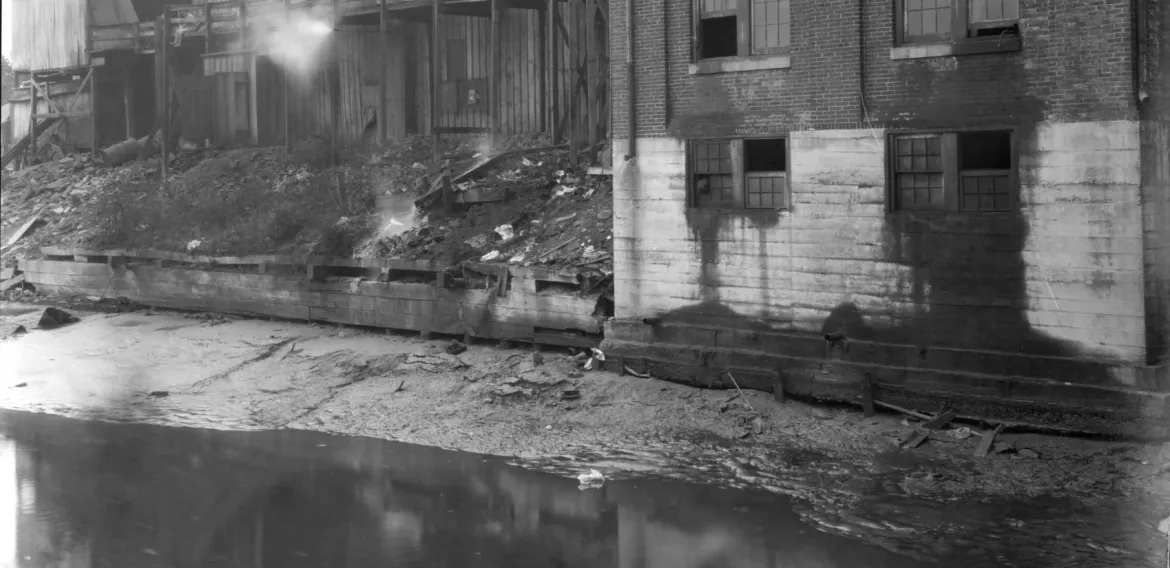
During World War II, the environmental health of the Delaware River basin hit its absolute historical rock bottom. Driven by the frantic pace of defense production, a total lack of treatment facilities, and a colossal environmental footprint, the waterway effectively became an open sewer. Along the industrial stretch between Philadelphia and Chester, a “zero-oxygen zone” emerged, effectively signing a death warrant for the river.
The Chemical Blockade of a Lifesaving Gas
Wastewater from numerous military factories, chemical giants, and raw municipal sewage poured into the river system non-stop. This organic and industrial waste rotted and decomposed so aggressively within the aquatic environment that it entirely depleted the river’s natural reserves of dissolved oxygen.
The scale of this man-made catastrophe was staggering:
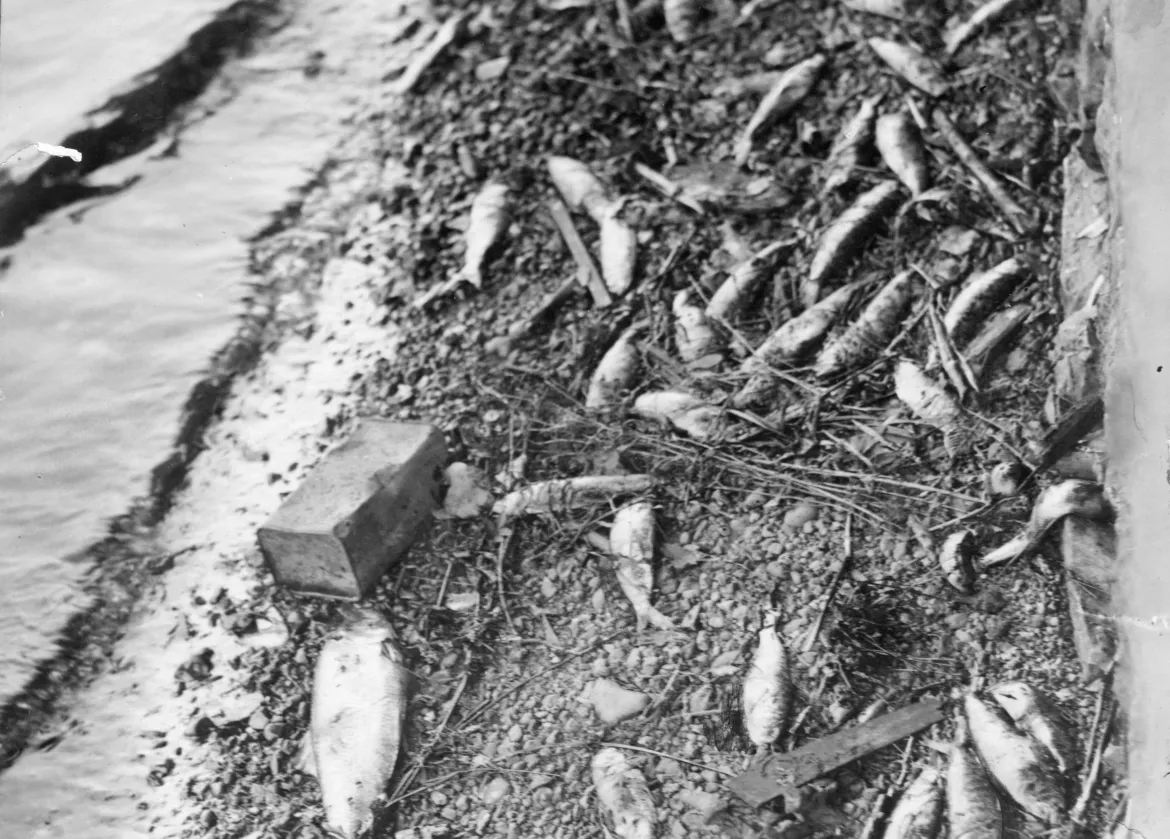
- Absolute Anoxia: The complete absence of waterborne oxygen triggered immediate, massive die-offs of native flora and fauna for dozens of miles downstream.
- A Toxic Fog: The river’s chemical stench became so unbearable that passengers on trains traveling along the coast had to slam their windows shut to avoid inhaling the fumes.
- Aggressive Corrosion: Sailors on naval vessels and shipyard workers officially complained that the river air, heavily saturated with hydrogen sulfide, was rapidly corroding metal hulls and equipment.
- Destroyed Migratory Routes: The river became a completely impassable biological barrier for migratory fish, entirely cutting them off from their upstream spawning grounds.
A Lesson in Ecological Bankruptcy
The appalling state of the river vividly demonstrated how an unchecked arms race and the disregard for basic sanitary standards can completely destroy a massive ecosystem in just a few short years. Declared biologically dead, the river became a hazard not only to nature but also to the health of the people working along its banks.
This crisis forced municipal authorities and industrial leaders to seriously reckon with the catastrophic cost of unbridled industrial progress for the first time. The wartime degradation of the Delaware served as the catalyst for the first interstate environmental strategies, as it became glaringly obvious that a dead river actively erodes the economic and social potential of the entire region. Restoring the oxygen balance took decades, serving as a permanent reminder to future generations of how easily human activity can stifle the natural world.
Legislative Turning Point: A New Era of Environmental Oversight on the Delaware
The true turning point for the ruined waterway came in 1972, when the U.S. Congress passed the historic Clean Water Act. This stringent federal law provided a robust legal shield for the battered river and radically rewrote the rules for American industrial giants, who had spent decades exploiting natural resources with impunity.
The new legislation forced large-scale manufacturers to completely overhaul their production cycles. The era of treating the river as a free corporate dumping ground was over for good.
The enforcement of this landmark act rested on several uncompromising legal and technical pillars:
- A Ban on Unregulated Dumping: Facilities were legally required to obtain specific government permits and fund the construction of modern, closed-loop treatment systems.
- Criminal Liability: Intentional or negligent pollution was upgraded from a minor administrative infraction to a serious criminal offense, carrying staggering financial penalties and actual prison time for executives.
- Upgrading Public Infrastructure: The federal government allocated multi-billion-dollar subsidies to comprehensively modernize aging municipal sewage networks in Philadelphia and neighboring industrial hubs.
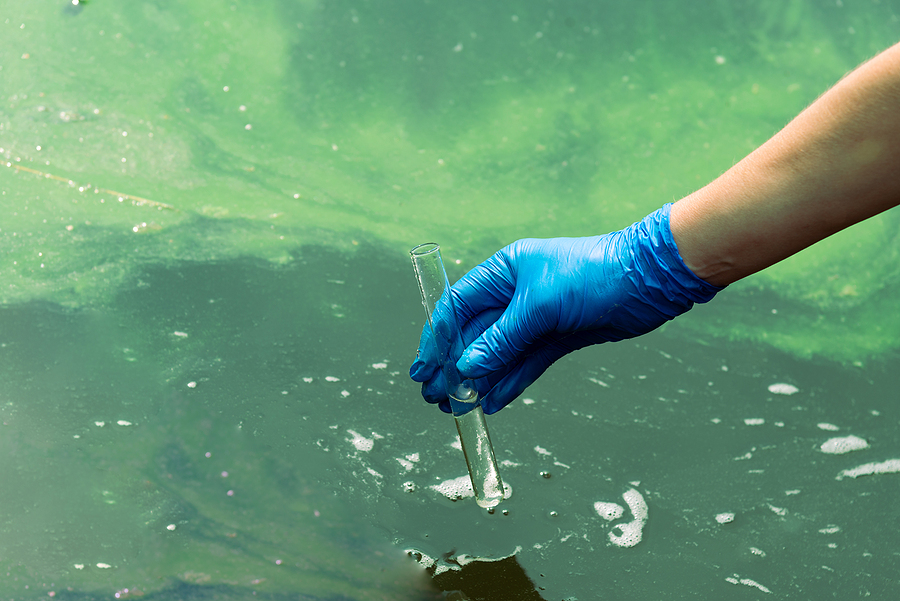
- Routine Government Monitoring: Real-time water sampling networks were established to continuously track chemical and bacteriological contamination levels.
The Beginning of the Great Restoration
The passage of this act proved that without strict legal enforcement and heavy financial penalties, reversing an environmental disaster within a massive industrial corridor is impossible. The Clean Water Act became a global blueprint for conservation policy, laying a solid foundation for the gradual, deep recovery of the river basin.
Backed by billions in federal investments and tight regulation of the private sector, Philadelphia began undoing decades of industrial chaos. Corporations had to accept that environmental compliance was now a mandatory, non-negotiable cost of doing business. The legal framework worked brilliantly, giving a fatally wounded river a genuine shot at biological recovery and paving the way for the return of its unique native wildlife.
The Triumphant Return of the Sturgeon: A Living Indicator of Ecosystem Health
The definitive hallmark of the river’s cleanup has been the resurgence of the Atlantic sturgeon—a prehistoric fish that dates back to the age of the dinosaurs. This giant species is incredibly sensitive to water quality and dissolved oxygen levels. For decades, scientists feared the Delaware population was completely lost to the world.
Today, however, biologists proudly document these majestic creatures regularly spawning right within city limits. The return of the sturgeon, alongside massive annual runs of American shad, stands as undeniable proof that the river’s biological rhythms have fully bounced back.
From Industrial Docklands to Waterfront Parks
The current phase of full-scale river revitalization relies on more than just strict legislative prohibitions and corporate fines; it is driven by the widespread implementation of cutting-edge urban design concepts. Philadelphia has officially become a recognized pioneer through its ambitious, long-term “Green City, Clean Waters” program, which has fundamentally transformed how the metropolis manages its water resources. Rather than designing and building incredibly expensive underground concrete vaults to capture stormwater runoff, the city is intentionally investing millions of dollars into restoring natural landscapes.
Living Infrastructure Over Concrete Culverts
The new urban development strategy integrates natural hydrological processes directly into the existing infrastructure of city waterfronts. Environmental engineering has successfully turned abandoned industrial sites into functional green spaces.
The execution of this modern ecological blueprint features several key initiatives:
- Constructed Tidal Wetlands: Creating dedicated, floodable zones along the shoreline that perfectly mimic the functions of natural relic marshes.
- Innovative Rain Gardens: Engineering recessed green spaces with specialized soil profiles and water-loving vegetation to manage and filter precipitation efficiently.
- Permeable Waterfront Pavements: Replacing old asphalt with advanced porous materials that allow moisture to filter naturally into the ground instead of washing directly into the river.
- Pier Reclamation: Dismantling decaying wooden and metallic shipping docks and replacing them with open-air public parks.
Nature-Based Urban Runoff Management
This sprawling network of living infrastructure acts as a reliable mechanical and biological buffer. It intercepts urban grime, dust, litter, and toxic petroleum residues from roadways before they ever have a chance to hit the river channel.
Investing in these living filters has paid off handsomely, turning once-derelict, bleak shipping slips into vibrant, safe public parks. Through this approach, Philadelphia is proving to the world that modern engineering can seamlessly balance the demands of a major industrial center with a river’s natural capacity for self-cleaning and complete biological renewal.
New Frontiers: Microplastics and the Chemical Threats of Tomorrow
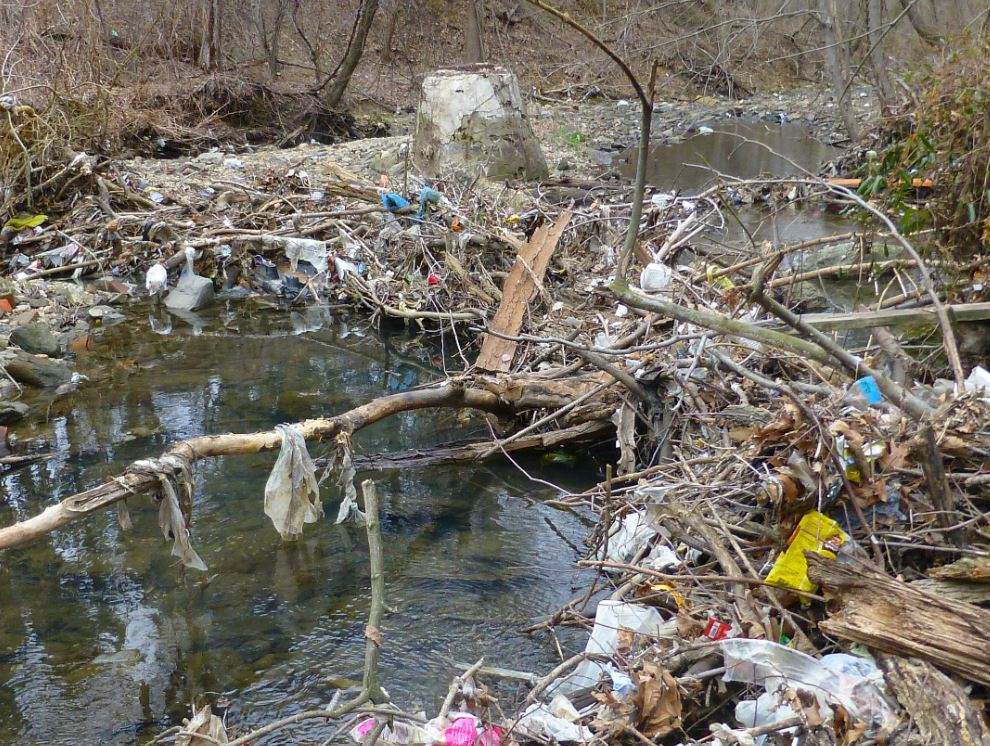
Despite this undeniable environmental triumph, conservationists are not throwing in the towel just yet. The oil slicks and heavy sludge of the past century have been replaced by a new, invisible generation of threats. Modern laboratory testing frequently reveals high concentrations of microplastics, alongside traces of pharmaceuticals and household chemicals in the water column.
Because these compounds slip right through standard municipal filtration systems, scientists with the Delaware River Basin Commission (DRBC) are actively drafting new regulatory standards to counter this evolving technological challenge.
From Industrial Wasteland to Recreational Destination
Today, the Delaware River showcases an entirely new paradigm of coexistence between urban populations and wildlife. Providing drinking water to over fifteen million Americans, the river has transformed into the region’s premier recreational destination.
Where factories once hummed, thousands of locals now gather for kayaking, sailing, and recreational fishing. The revived waterway has proven that even an industrial giant pushed to the brink by human activity can heal its wounds—provided it is given the right opportunity and ironclad legal protection.

Environmental Evolution and Key Metrics of the Delaware River
| Comparison Metrics | Industrial Crisis (1940–1970 Era) | Modern Revitalization Metrics |
| Dissolved Oxygen Levels | Dropped to 0 mg/L along the Philadelphia stretch (biological death of the channel) | Consistently maintained above the safe threshold of 5–6 mg/L |
| Fish Population Health | Total absence of migratory fish; widespread juvenile die-offs | Over 40 species documented, including active spawning of Atlantic sturgeon |
| Primary Pollution Sources | Untreated chemical plant effluent; raw municipal sewage | Stormwater runoff, microplastics, residual pharmaceutical compounds |
| Community Economic Role | Strictly a logistics and transit corridor for heavy industry | Drinking water source for 15 million people, eco-tourism, protected areas |
