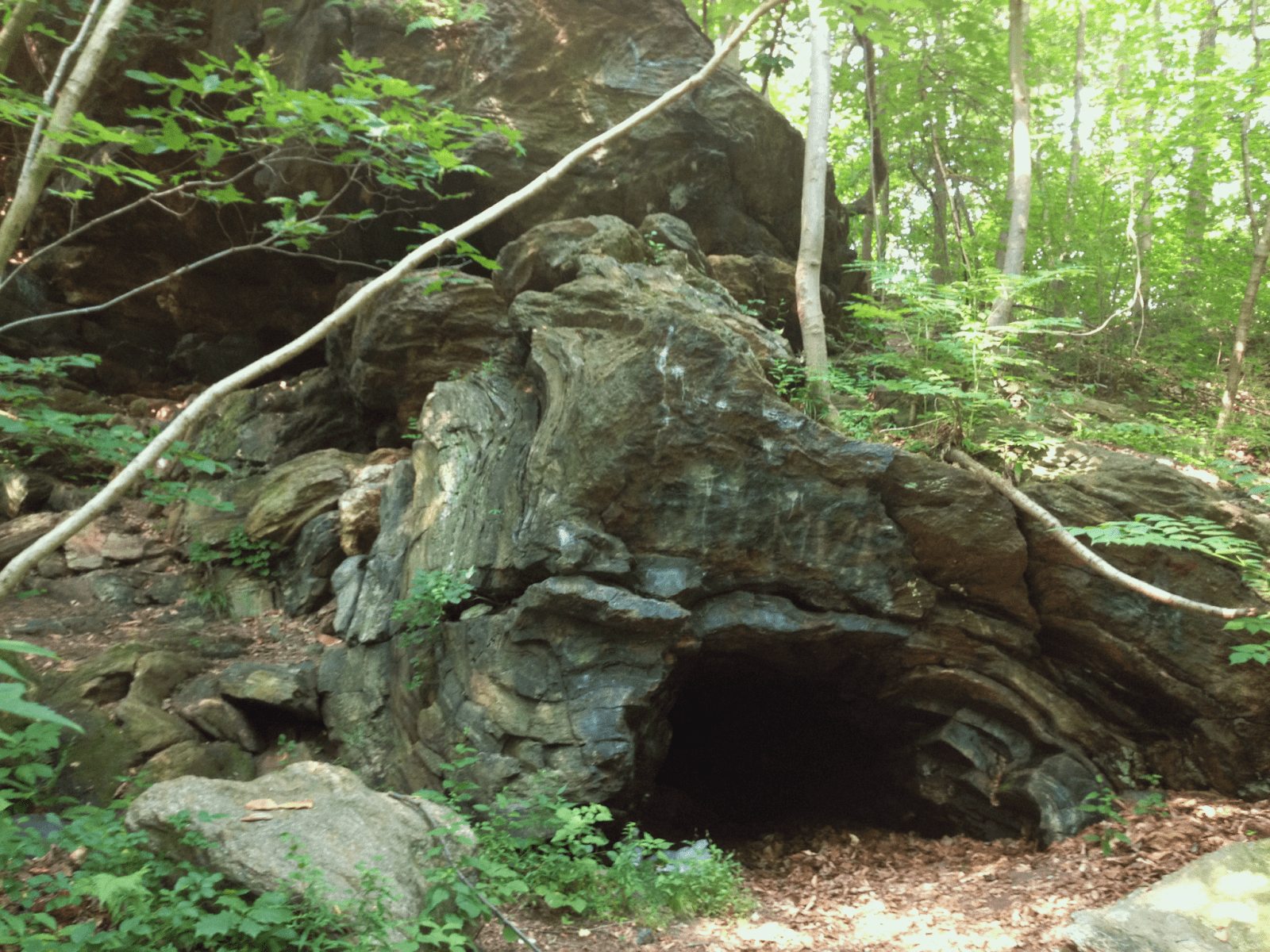
There is a more than twenty-meters-deep cave located near the City of Brotherly Love. It is one of the oldest mines in the northern United States of America. Relying on legends, the hermit Johannes Kelpius lived here. Read more about the ancient but inspiring history of the Philadelphia mine at philadelphia.name.
When was the mine discovered and how did it appear in Philadelphia?
There are many myths and legends surrounding the history of this mine, as there is very little information about when and by whom it was created.
If we consider some more or less real legends, we can recall the Indians, indigenous inhabitants of the New Land, who lived in these caves. After them, there were all sorts of robbers or American revolutionaries.
It is a fact that the caves are the result of human work. There is historical evidence that the catacombs were burrowed through in the mid-eighteenth century with hand drills and black powder from the Roxborough Mining Company. In fact, this is a proof of the antiquity of the mine. It is considered one of the oldest diggings in North America.
The locals like to tell the legend of the Roxborough miners. Sometimes to ridicule someone’s hopes during conversation, they say sarcastically, “Don’t look for gold where there is none”. Actually, people who made up this expression and miners genuinely believed that wealth could be found. But it did not happen.
An explorer of abandoned areas, John Widunsky, said that “miners tried to extract gold with a lowering stick.” The Master of an American higher education institution claims that this may be true since migrants from Europe sincerely believed in the power of dowsing. The latter implies a pseudo-scientific method for finding precious metals underground with the help of a “sawtooth rod”.
However, according to the same tales, miners wasted their time. From then until the middle of the nineteenth century, no one went down into the shaft. Based on unconfirmed information, some historians write that during the struggle for independence, the Americans hid food commodities from local marauders.
In 1854, Horatio Jones, a young Philadelphia historian, descended into the mine. Getting there was already problematic because of the derelict state and the main entrance was silted up.
After digging, the man crawled inside. The researcher wrote that he was impressed by the structure of the tunnel, which branches like a letter “Y” and goes back thirty feet. As for the so-called front entrance, in modern days, it is closed. It was covered with mud after Jones’s expedition.
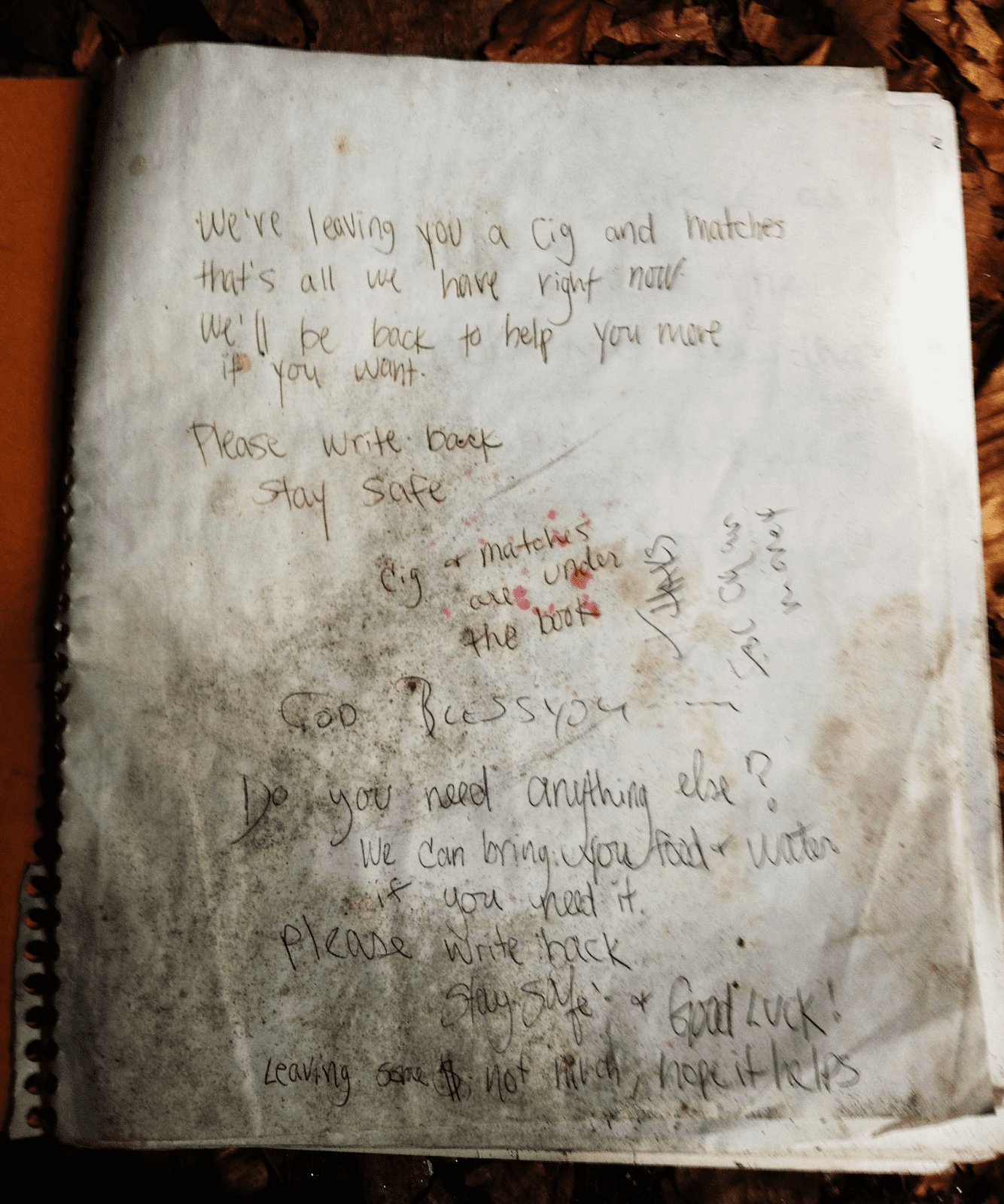
However, there is another entry to the mine. There, residents occasionally find signs of habitation of modern Kelpius followers.
The first person to find a fortune in a mine
Johannes Kelpius was a monk who was born in Germany, but in 1694, he came with his followers to Philadelphia. Here, the sage became the first person to find riches in a forgotten shaft. Still, it was different from what the townspeople were looking for.
Nowadays, it is still unknown how Kelpius found the cave, which even locals can hardly notice. However, we do know that the steep hills of Wissahickon Park near Gorgas Creek became home to a German monk. This is evidenced by the plate installed by the Rosicrucians, which says: “The first mystical guru of Philadelphia came here to meditate and wait for the Second Coming.”
“Mystical Brotherhood” was the name given to the migrants who lived in the abandoned mine. In modern times, they would be rather identified with sectarian organizations or brotherhood than with religious ones. Their main belief was that in 1694, the end of the world was to come.
In the cave, the monk and his followers waited for the judgment day: he meditated and wrote books. In one of his works, he urged people to appreciate the house they live in. Some researchers note that despite the absence of gold in the mine, someone still found wealth there.